Rug Origins
Central Iran
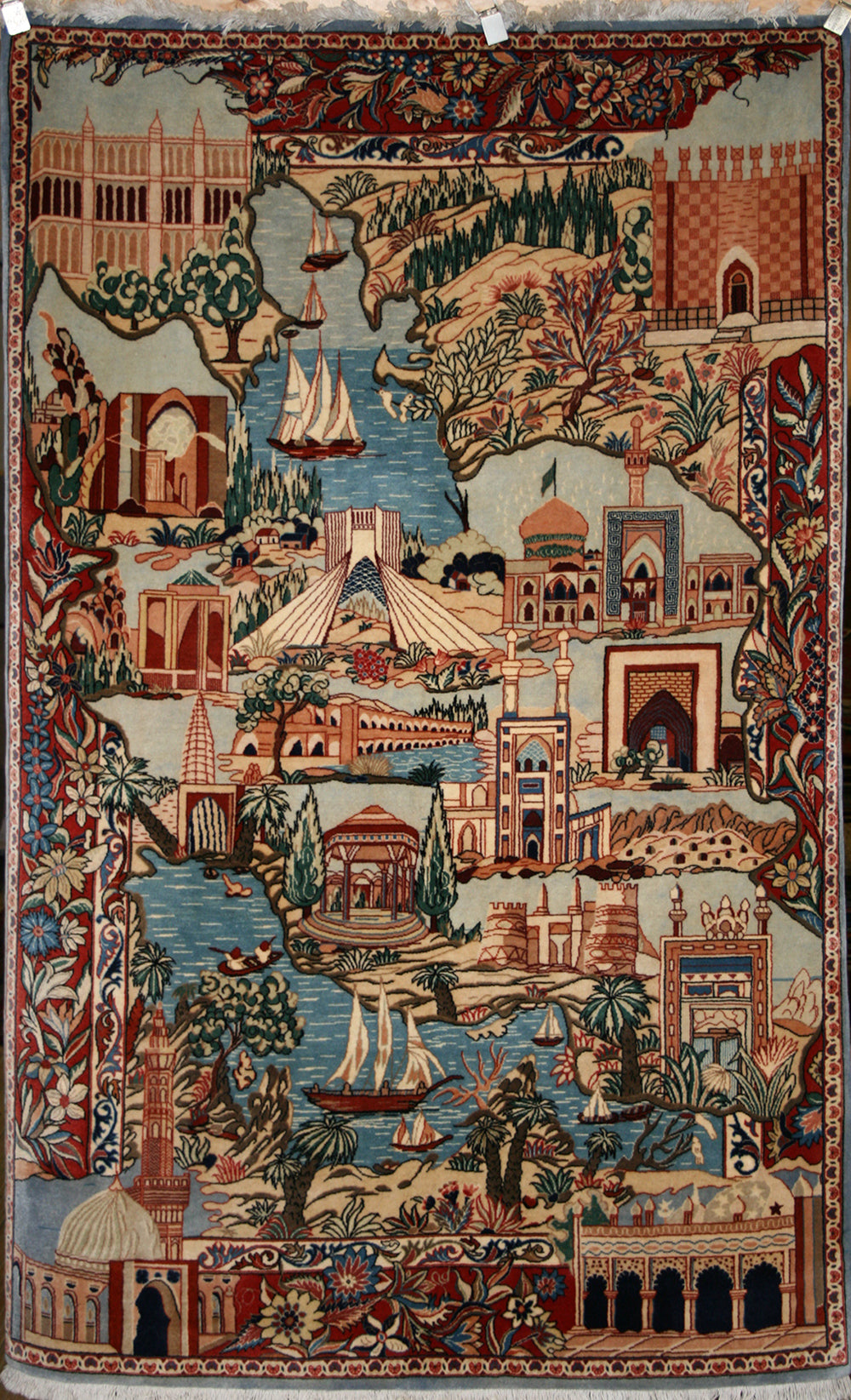
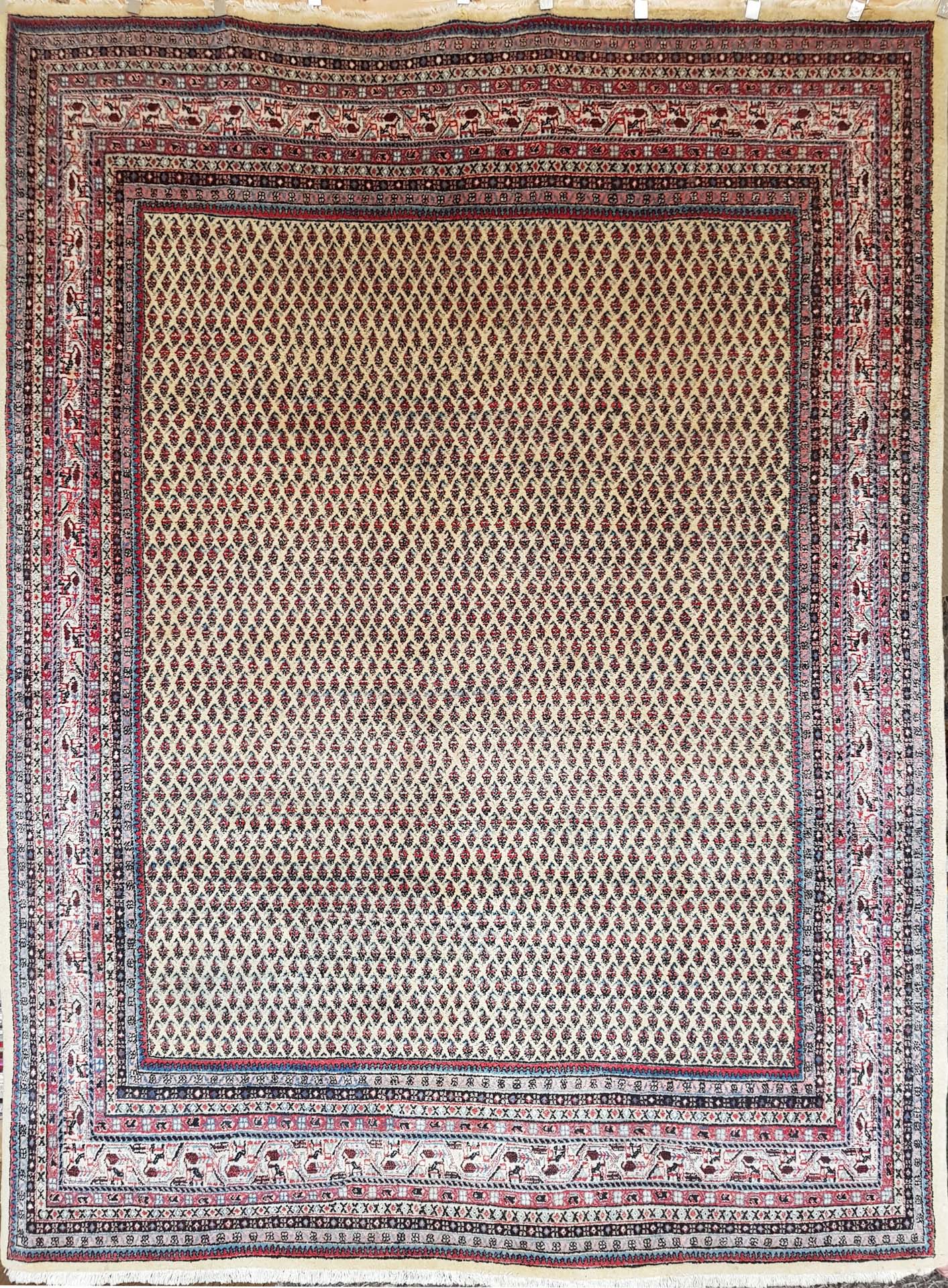
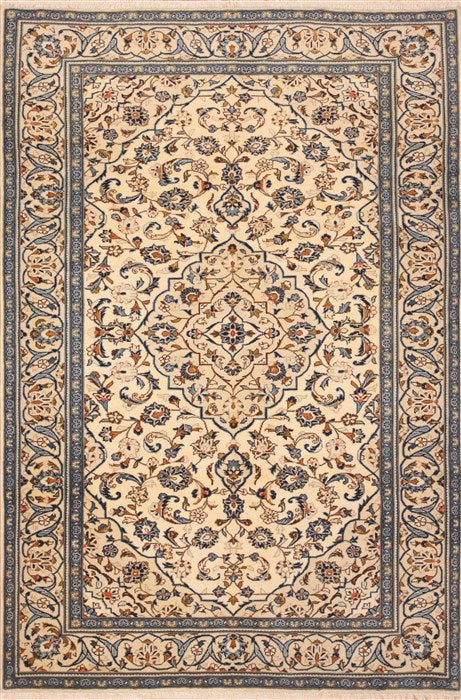
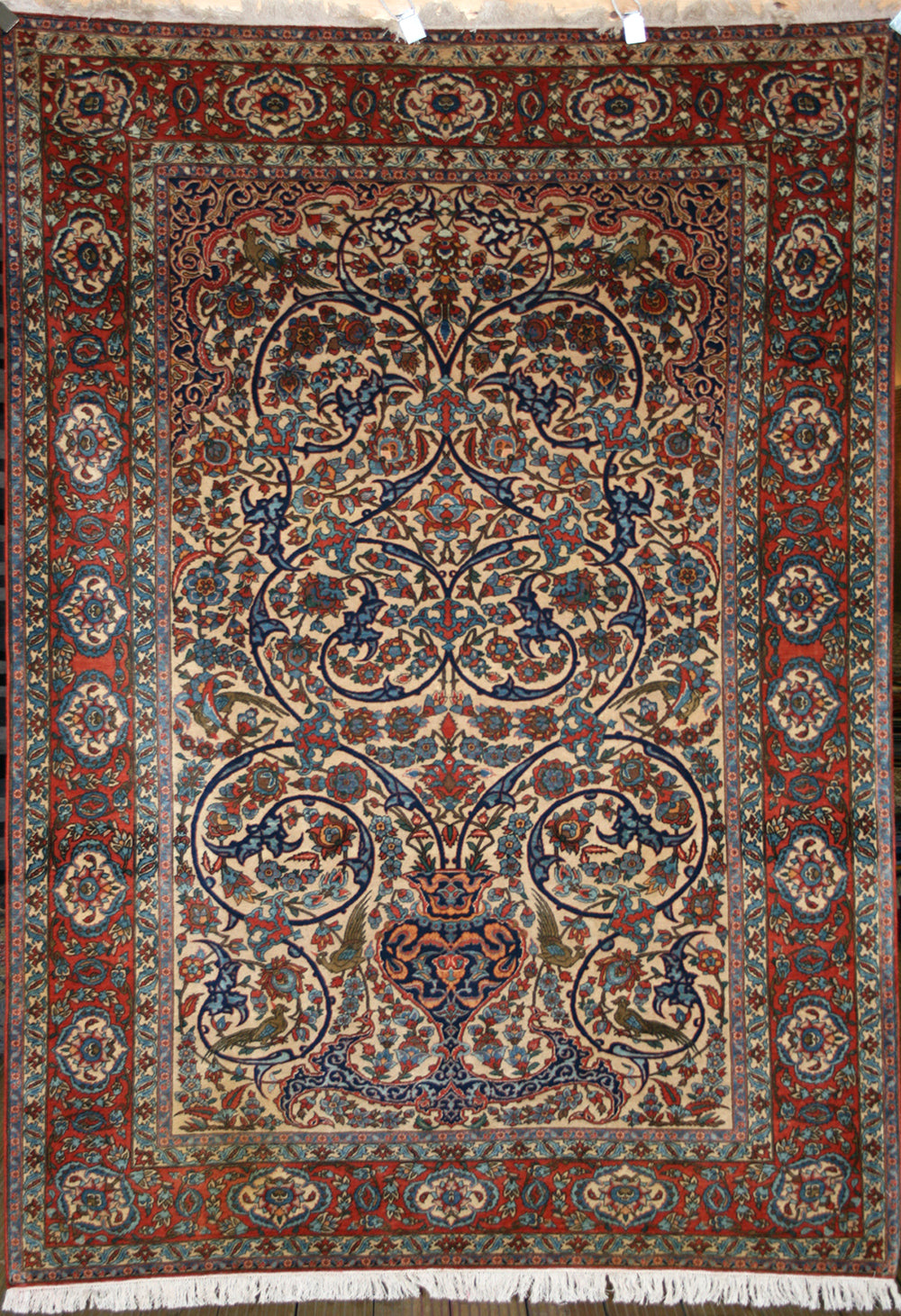
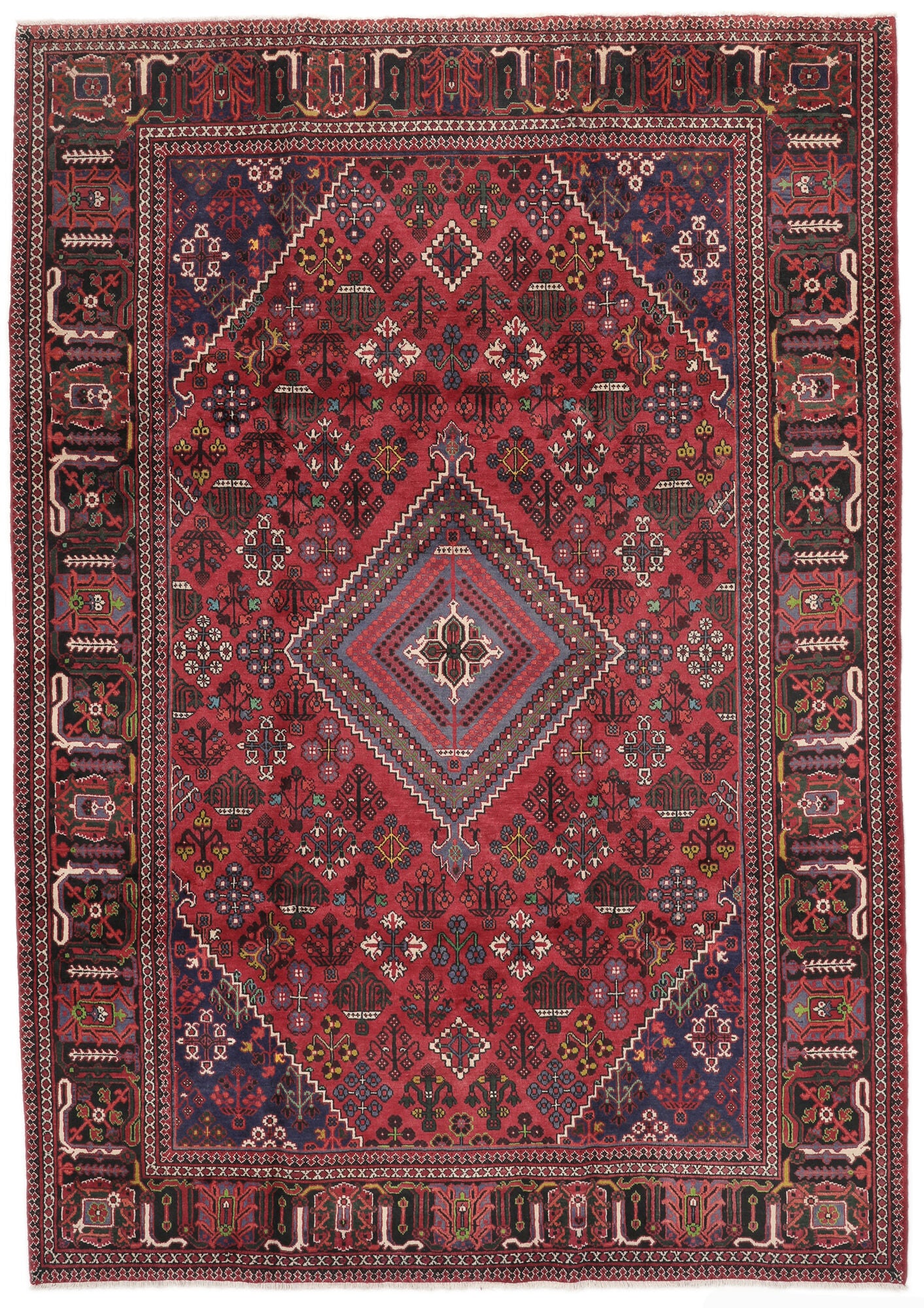
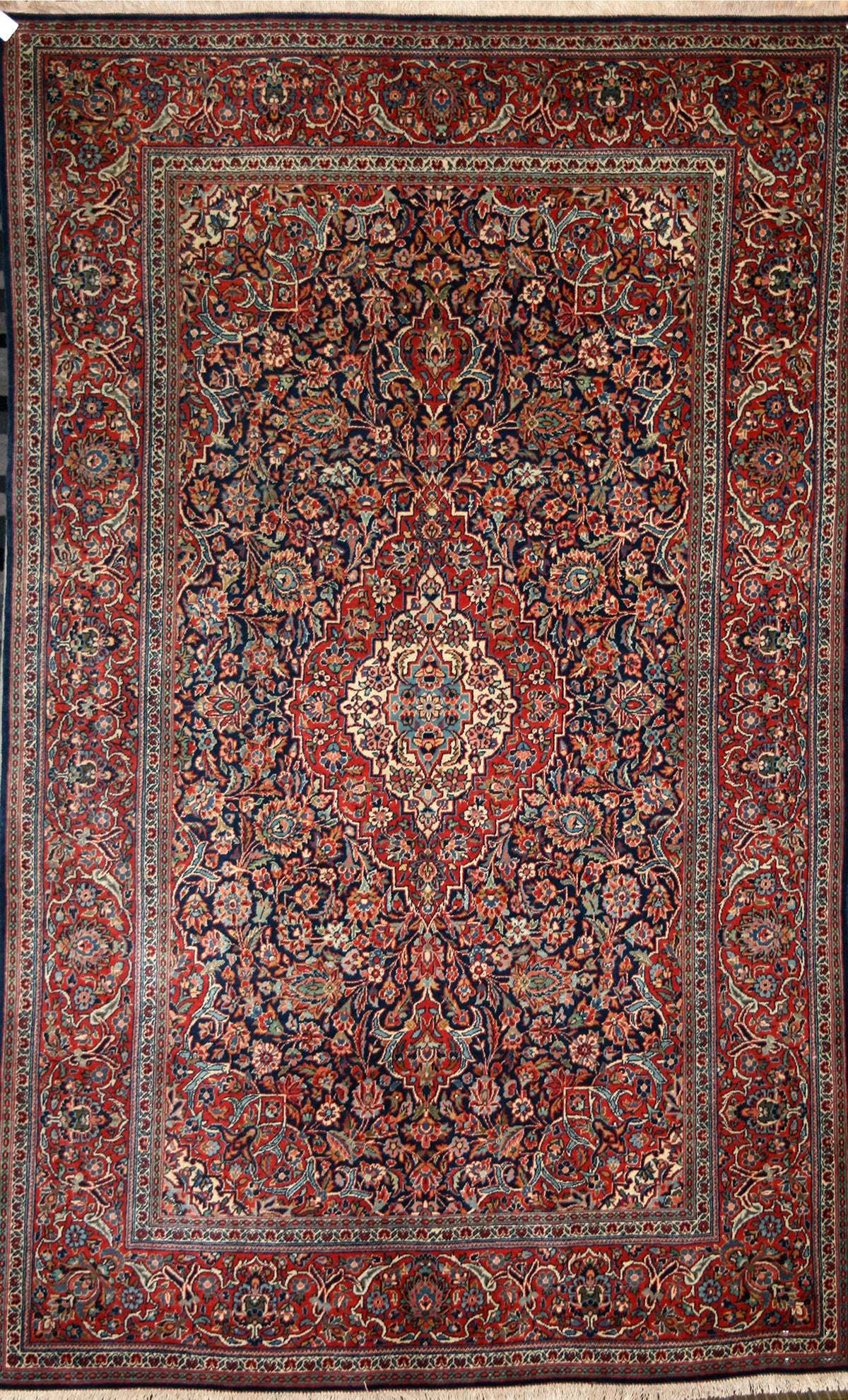
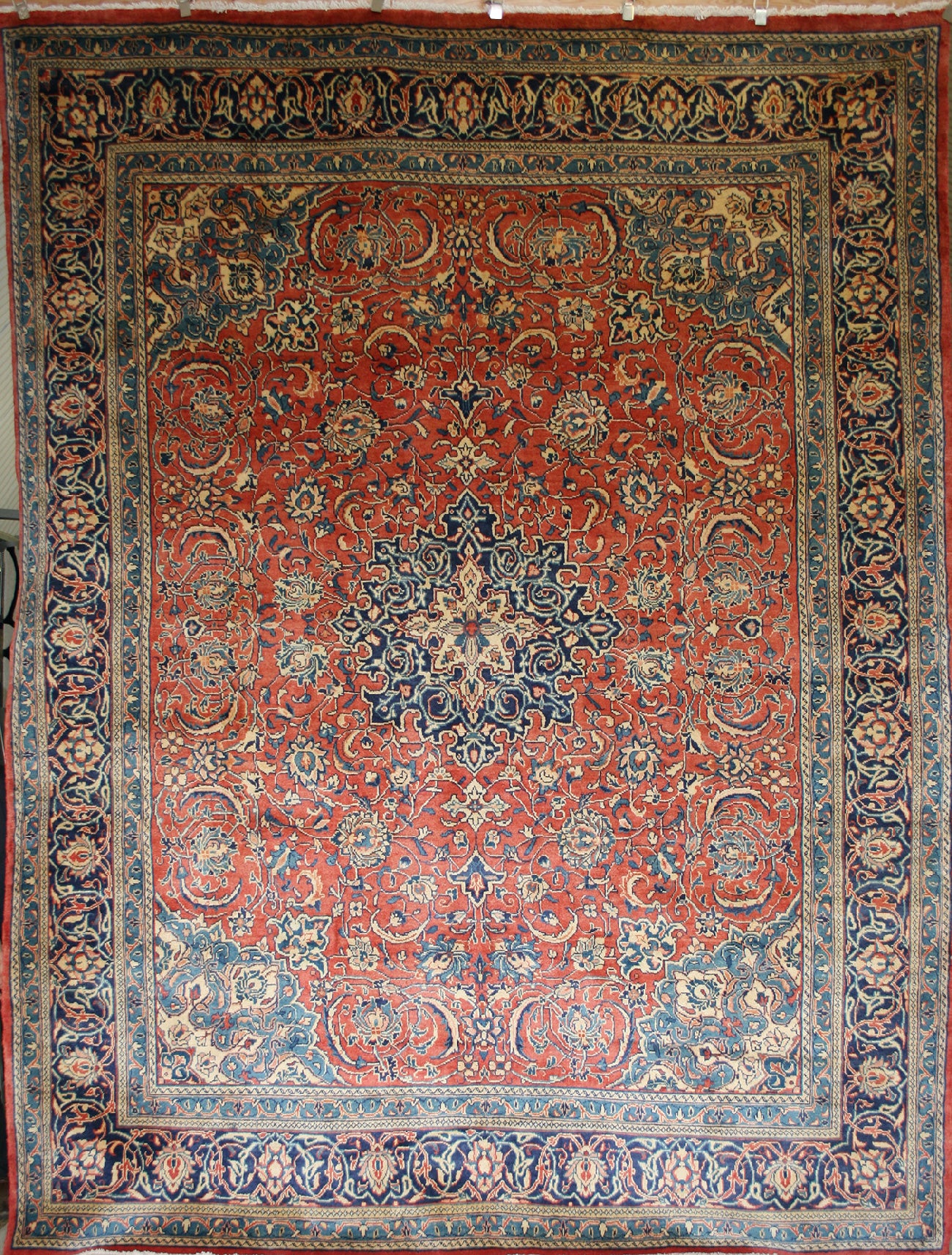
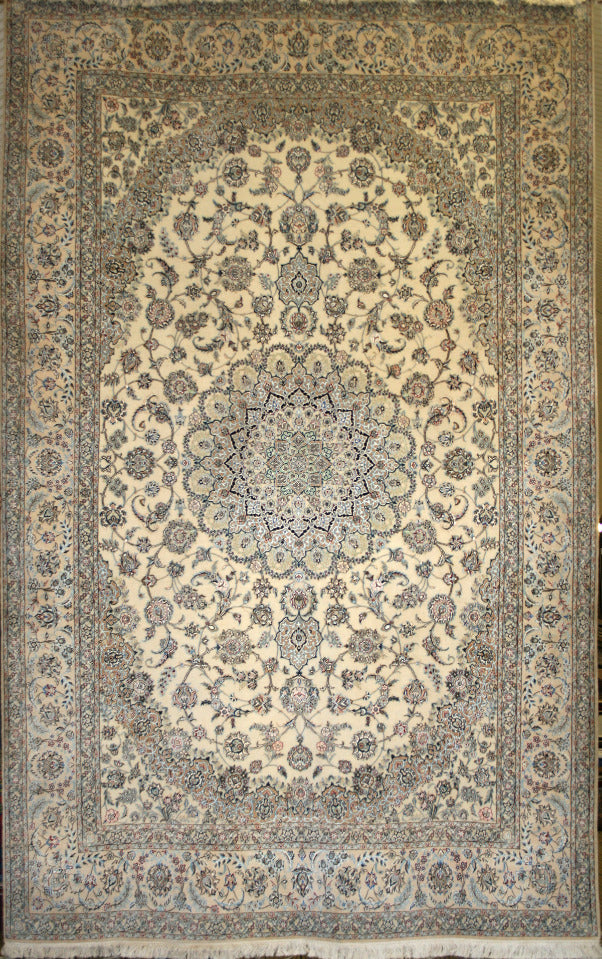
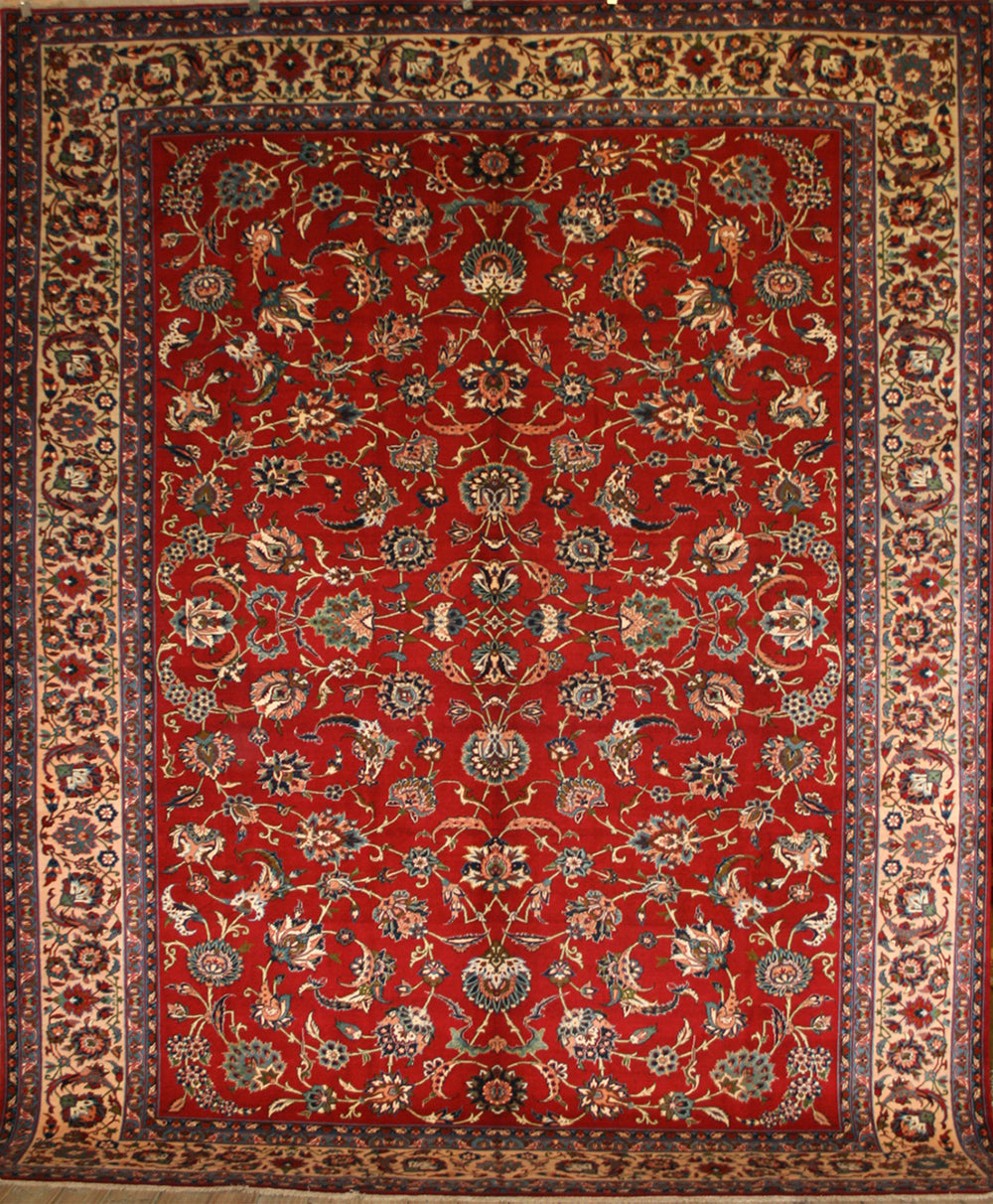
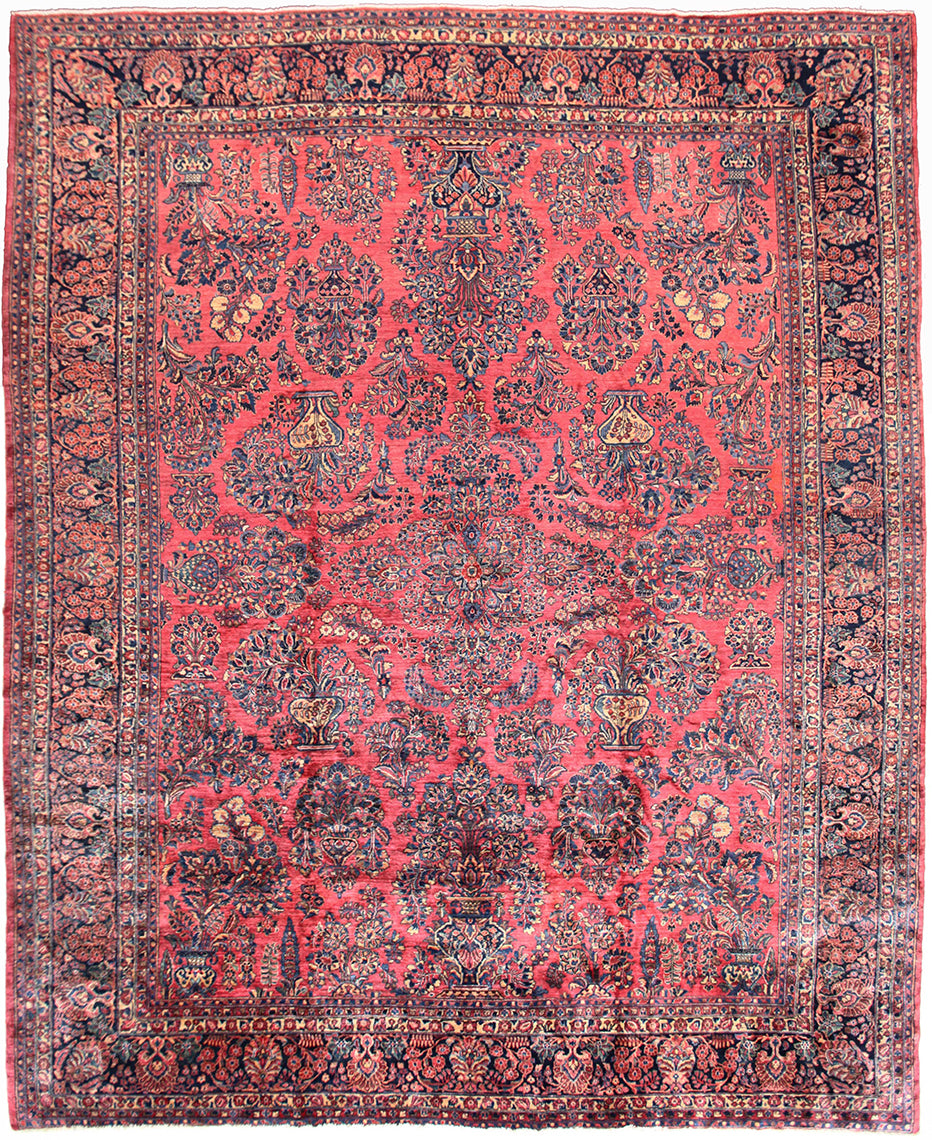
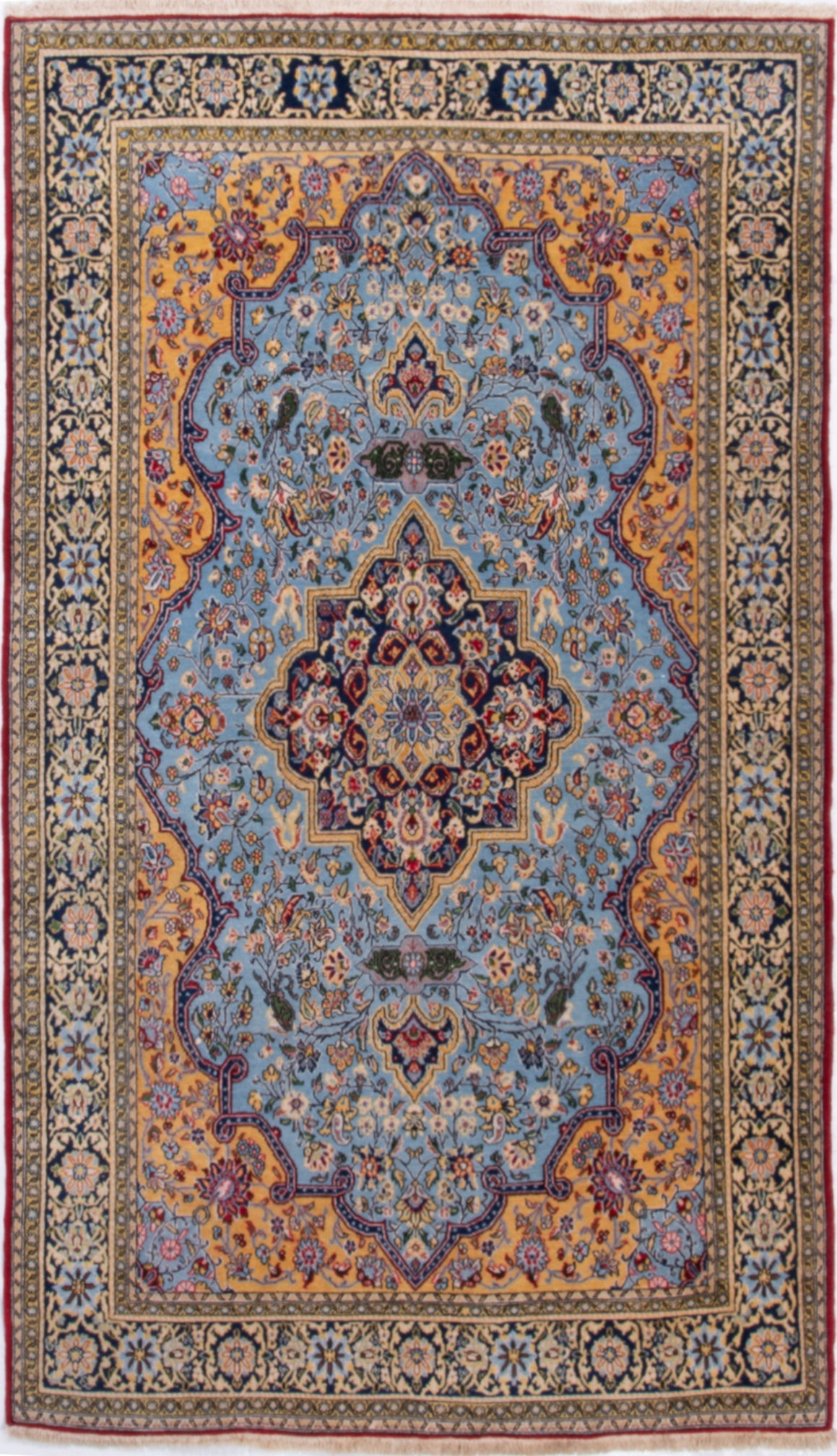
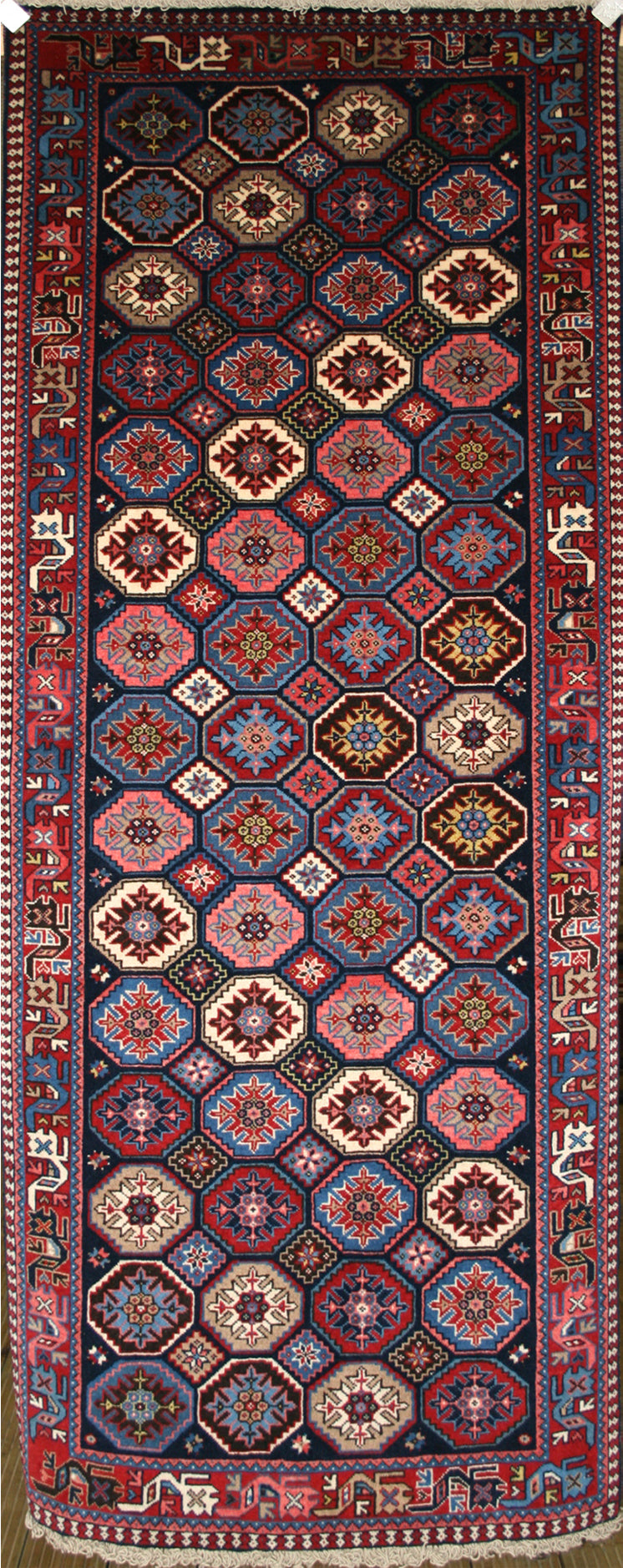
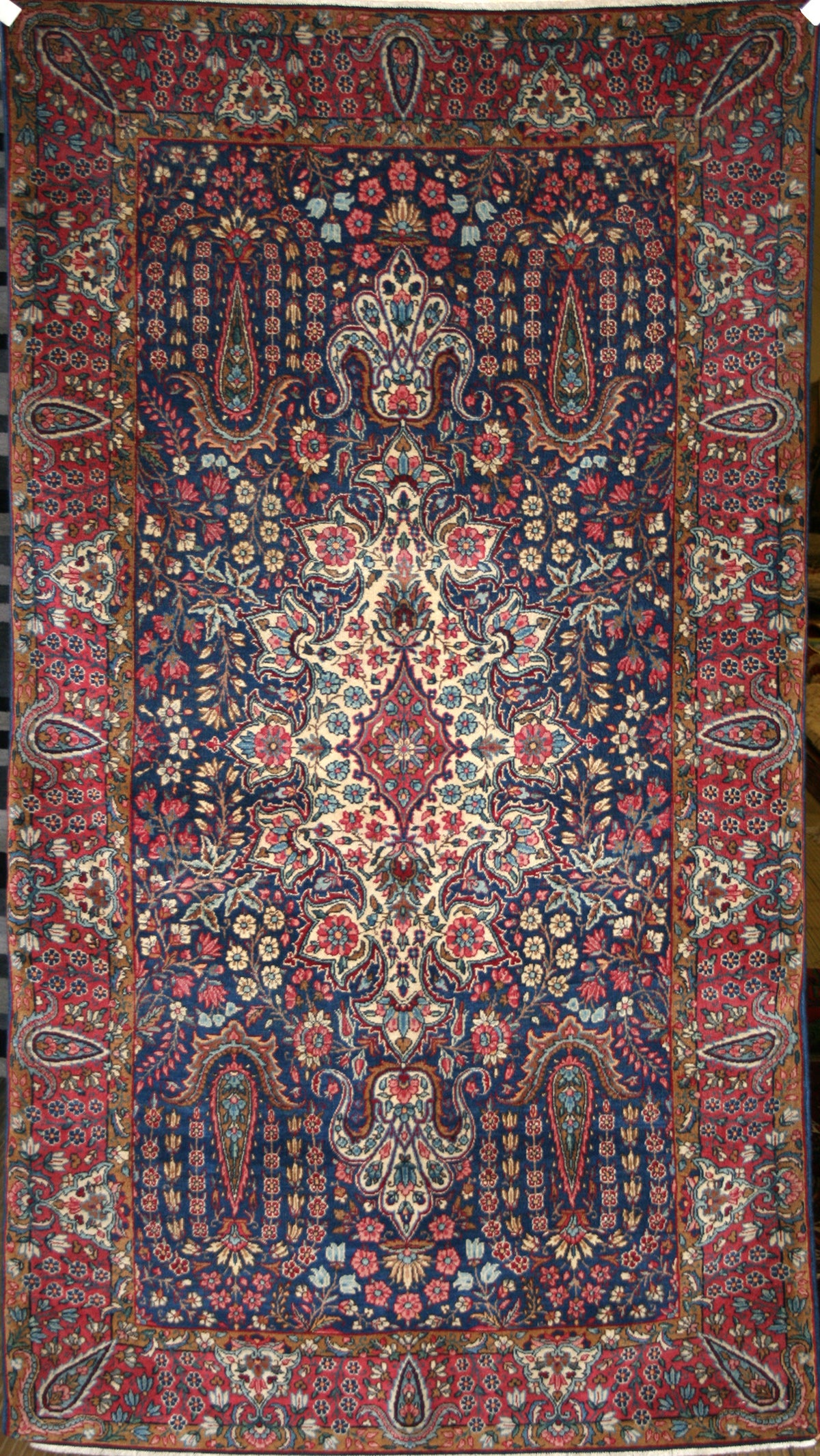
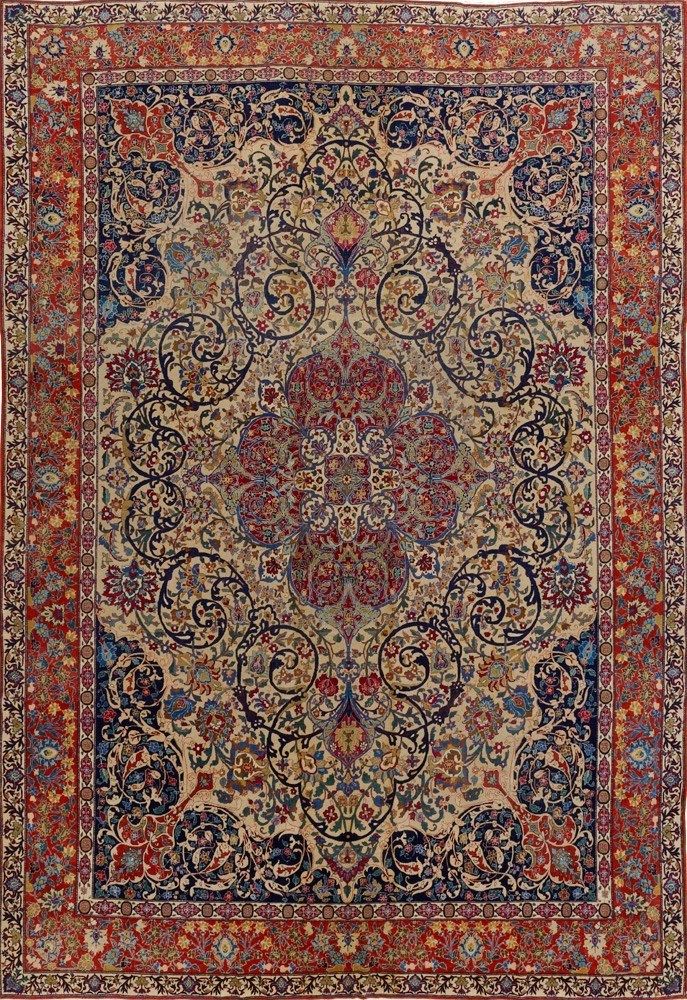
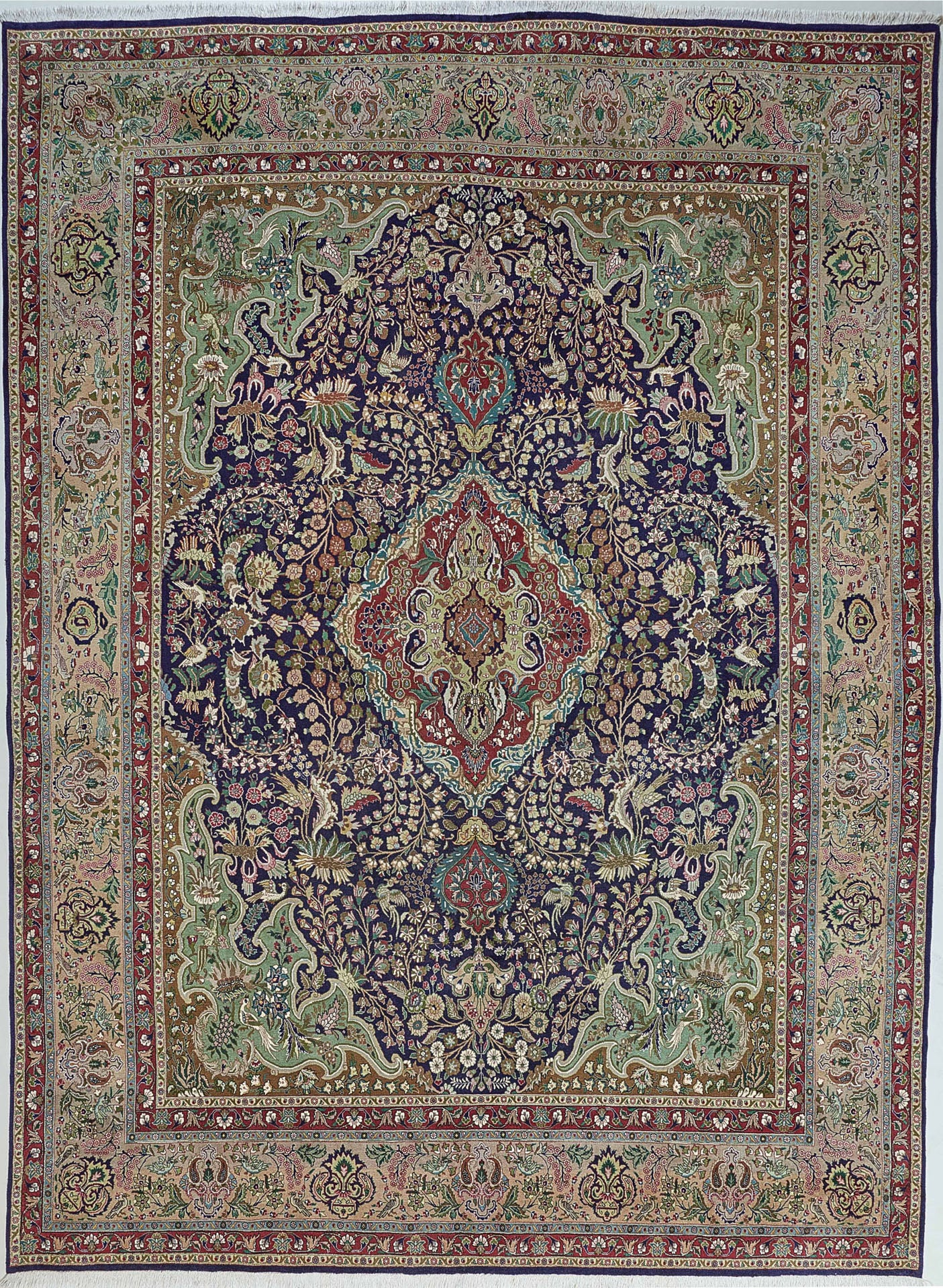
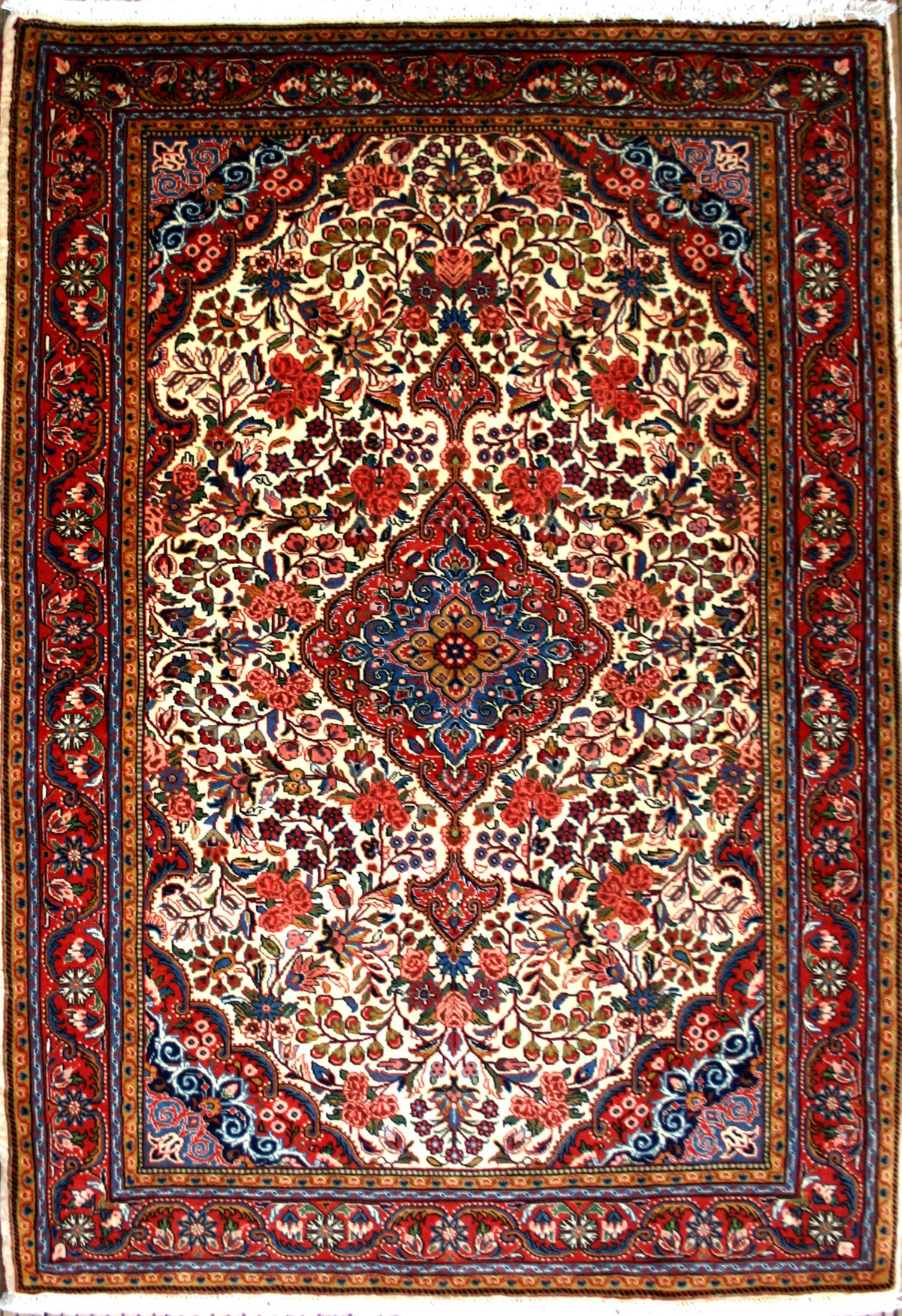
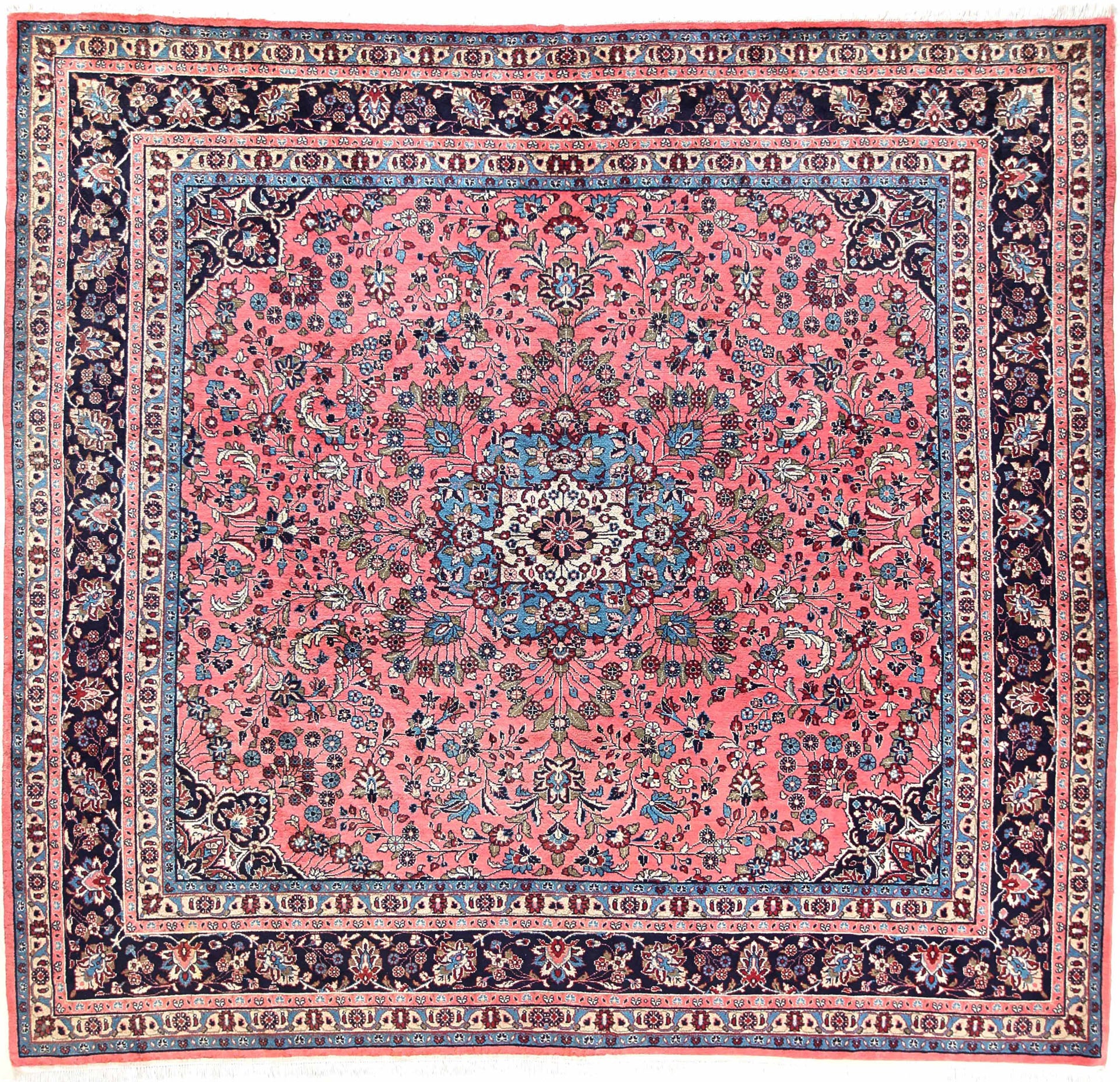
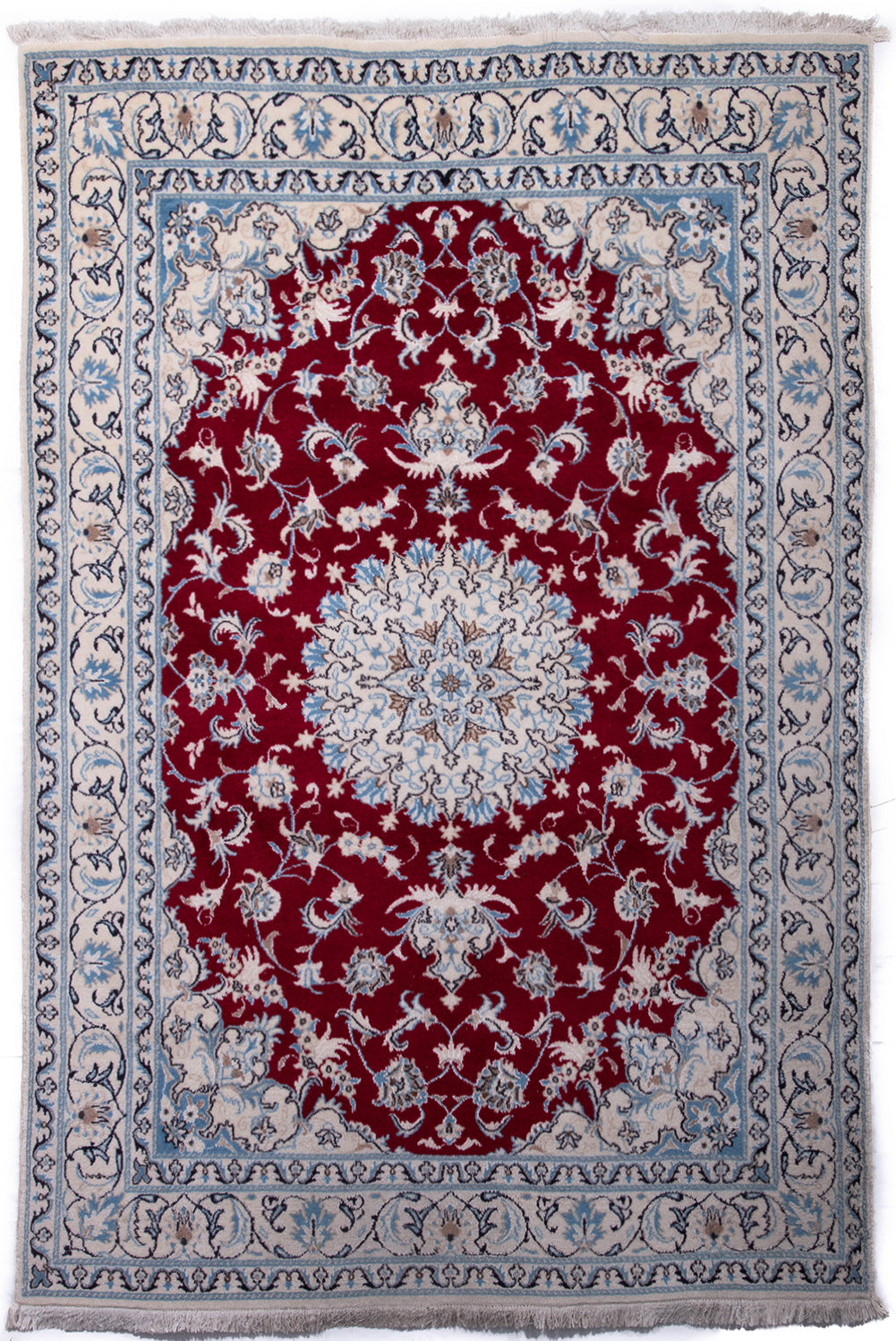
Central Iran, home to the historic cities of Isfahan and Kashan, is renowned for its sophisticated rug weaving. The rugs from this region are celebrated for their intricate floral motifs, medallion designs, and high knot density, reflecting the refined artistic heritage of the area.
North Iran
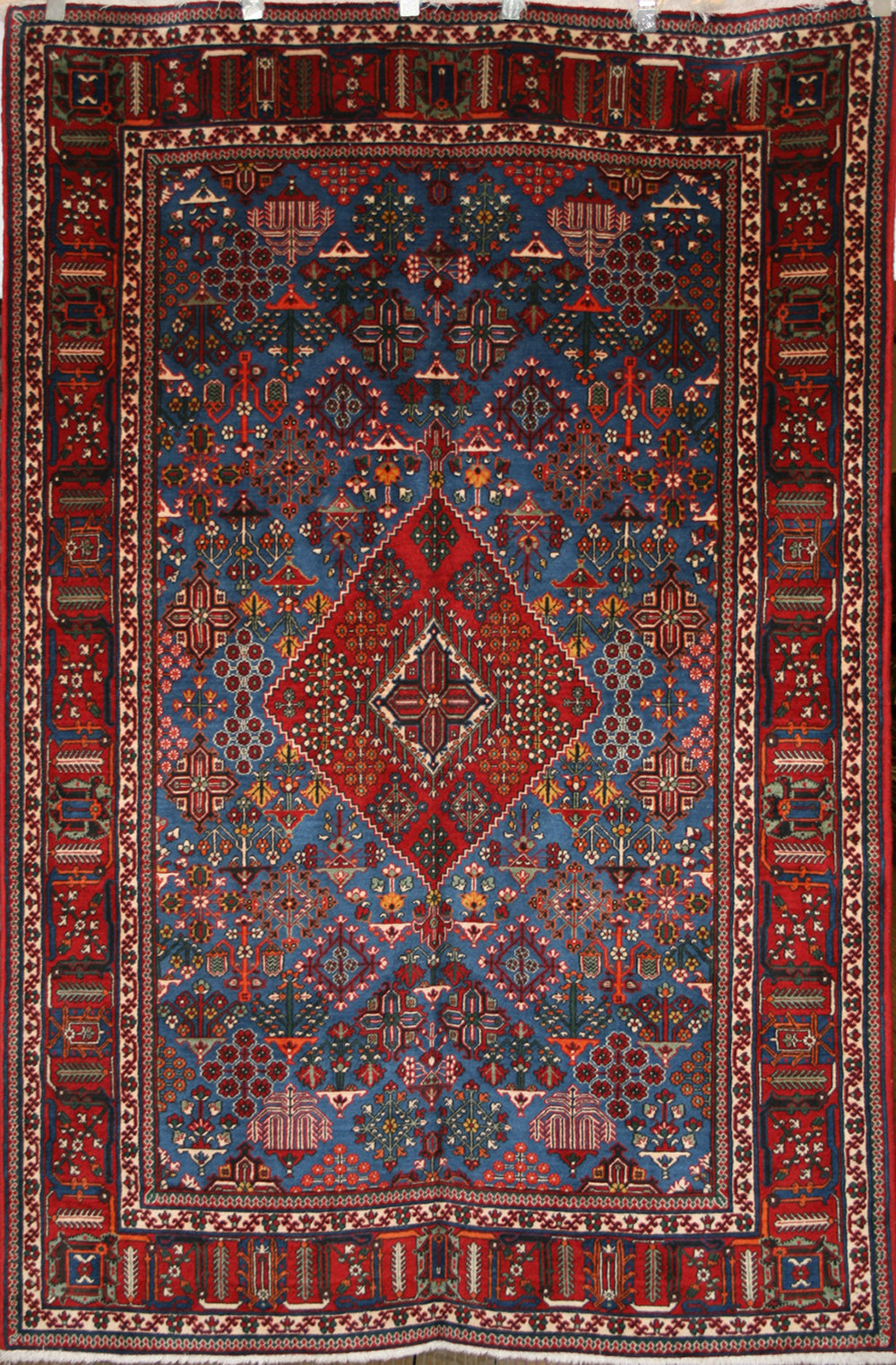
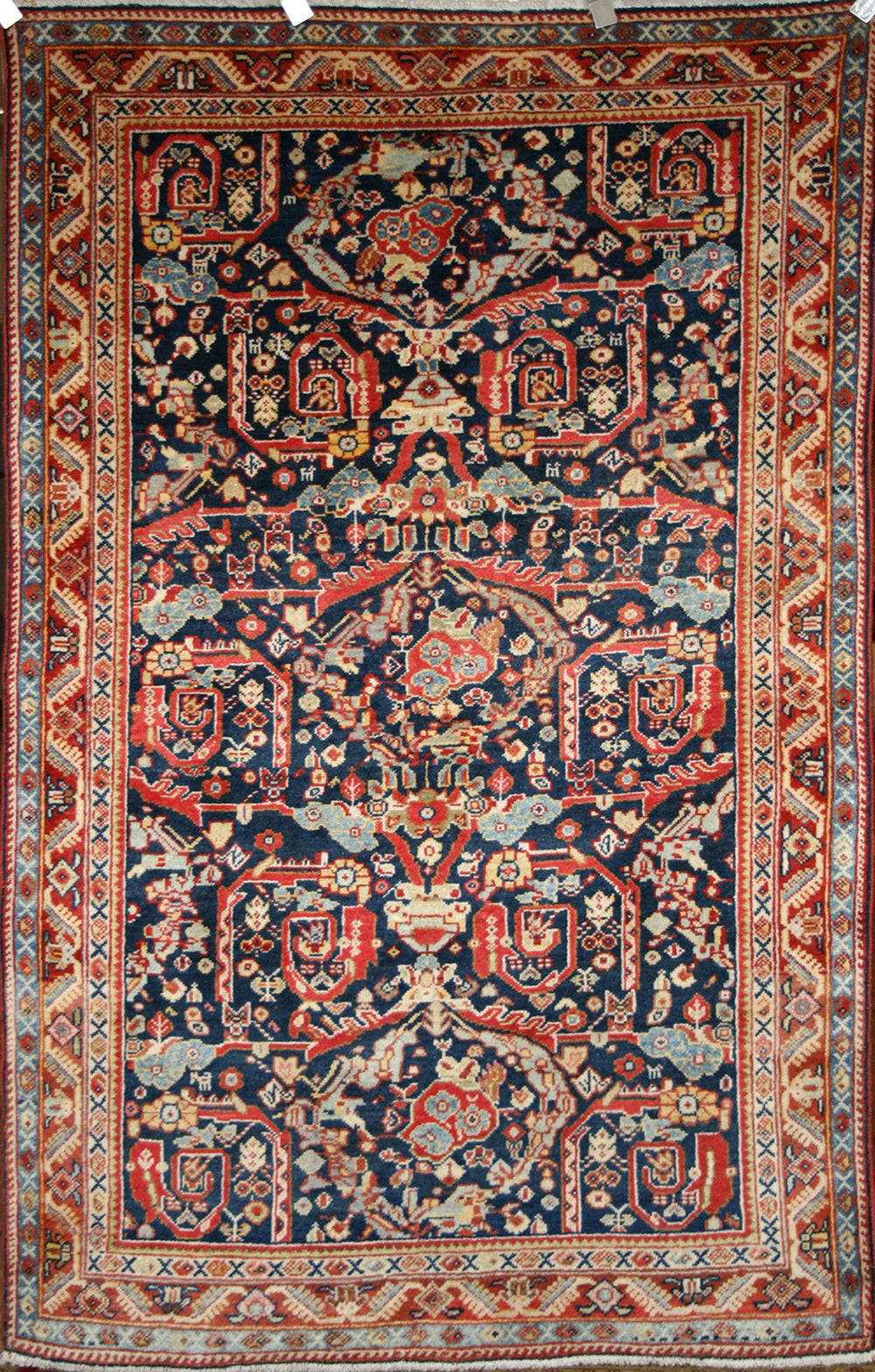
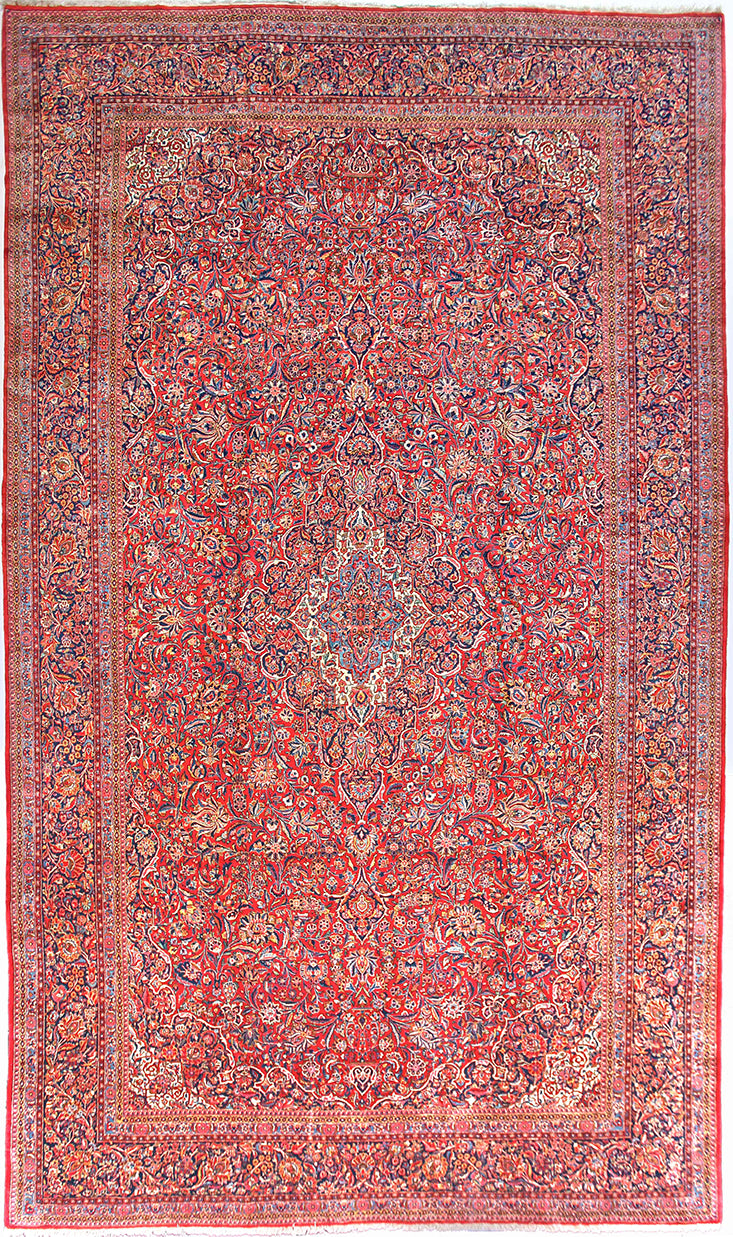
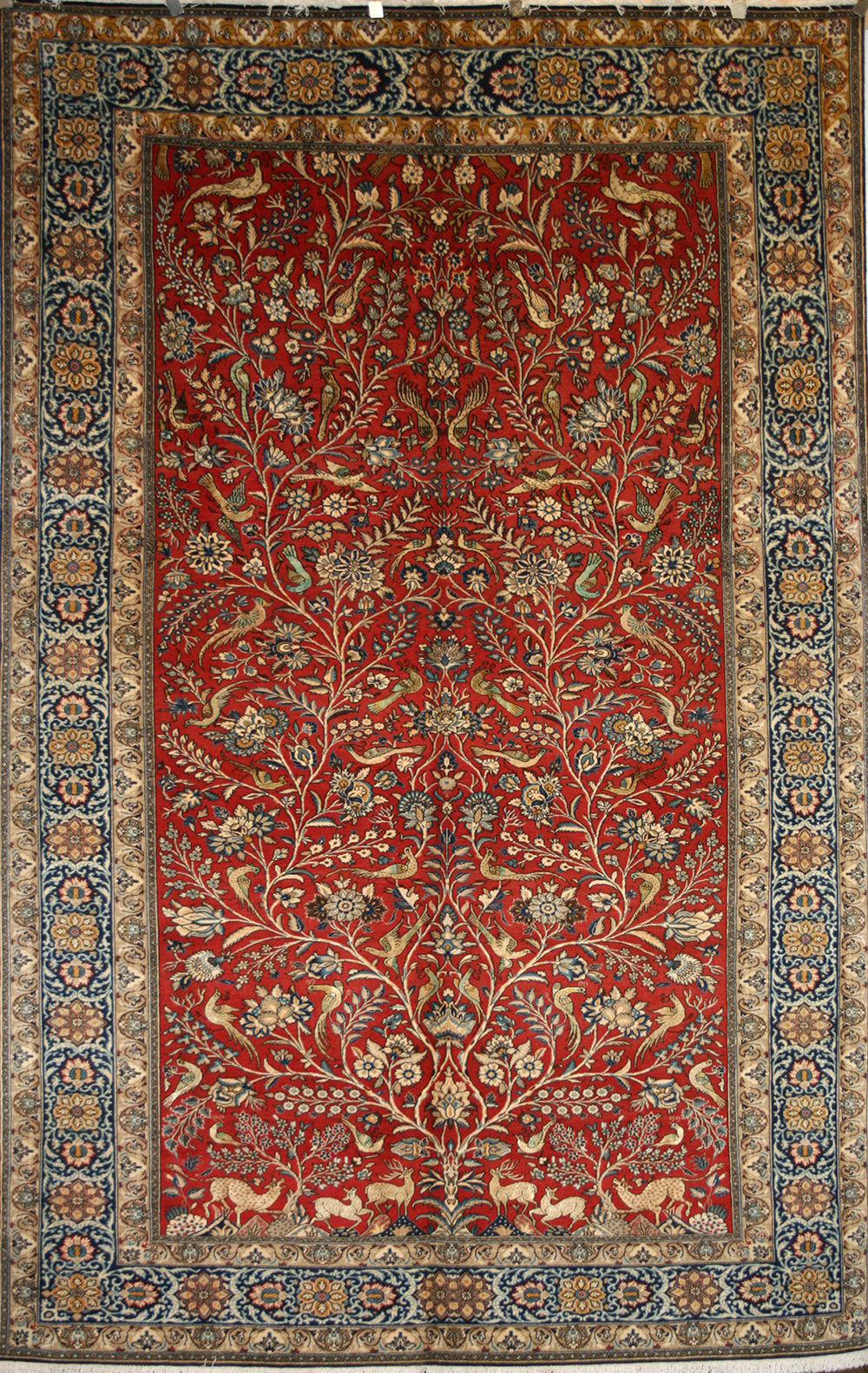
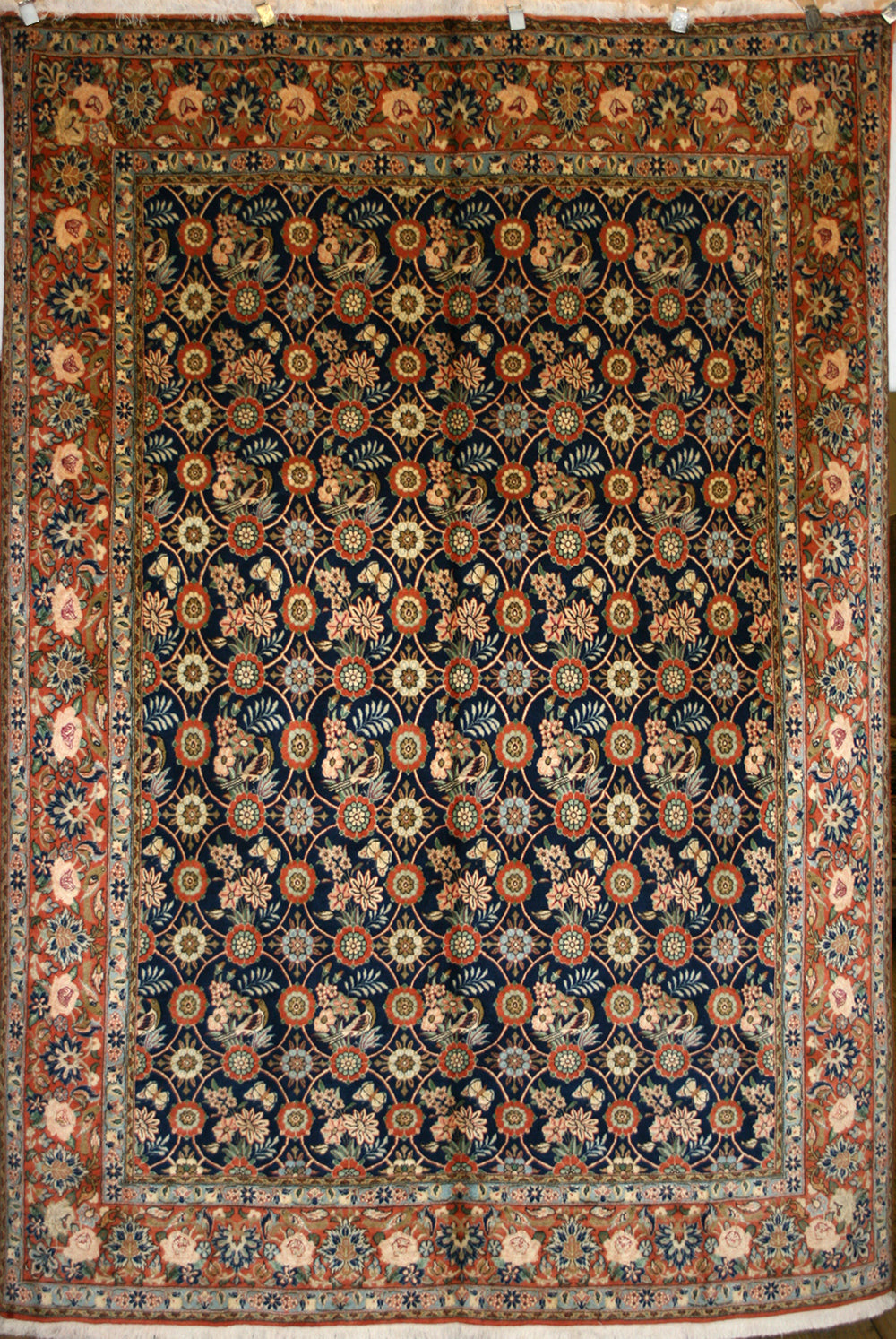
In North Iran, cities like Qom, Tehran, and Varamin are known for their distinctive rug weaving traditions. The rugs from this region often feature elaborate central medallions and floral motifs, woven with precision and a keen eye for detail, mirroring the architectural grandeur of the area.
North West Iran
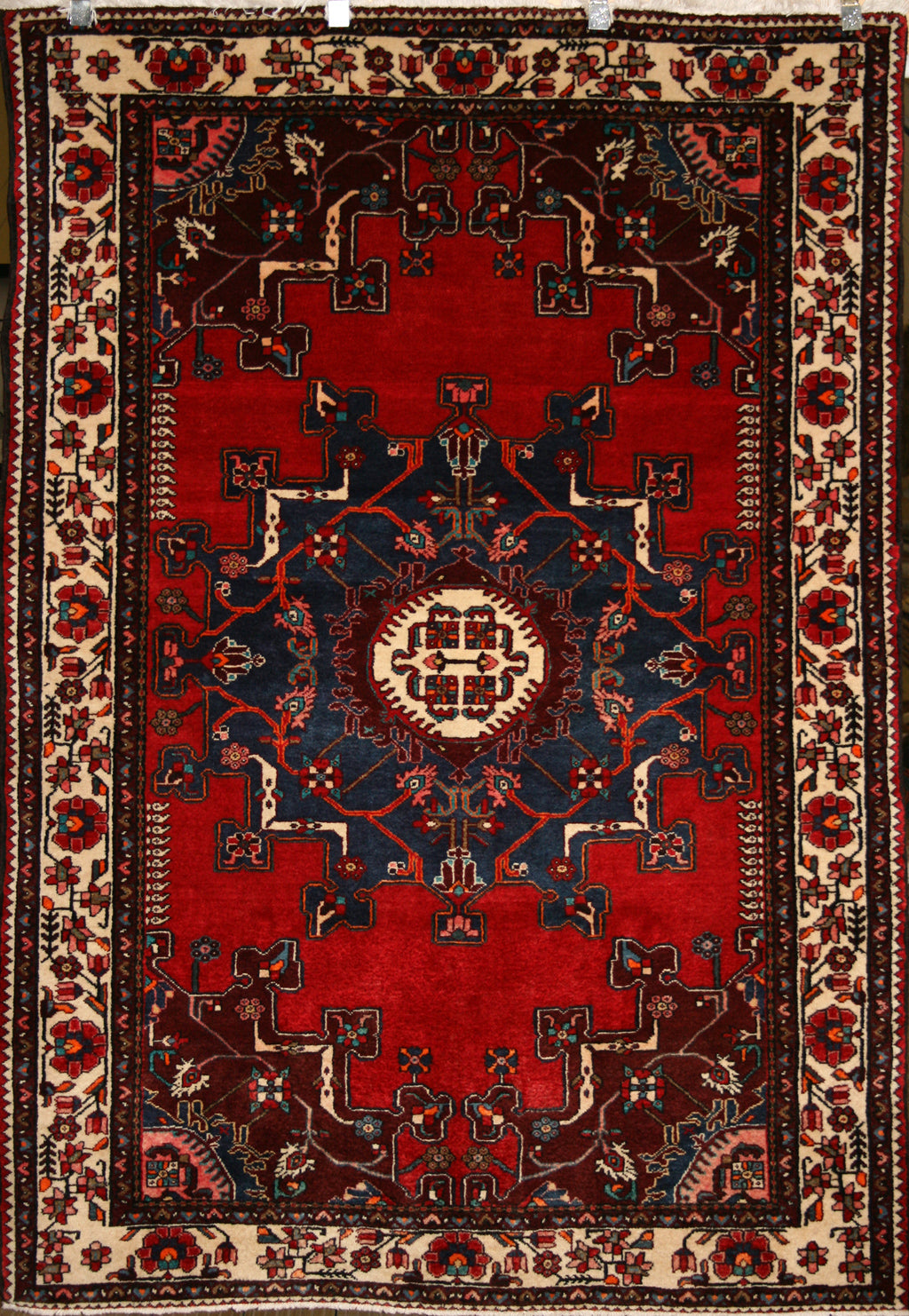
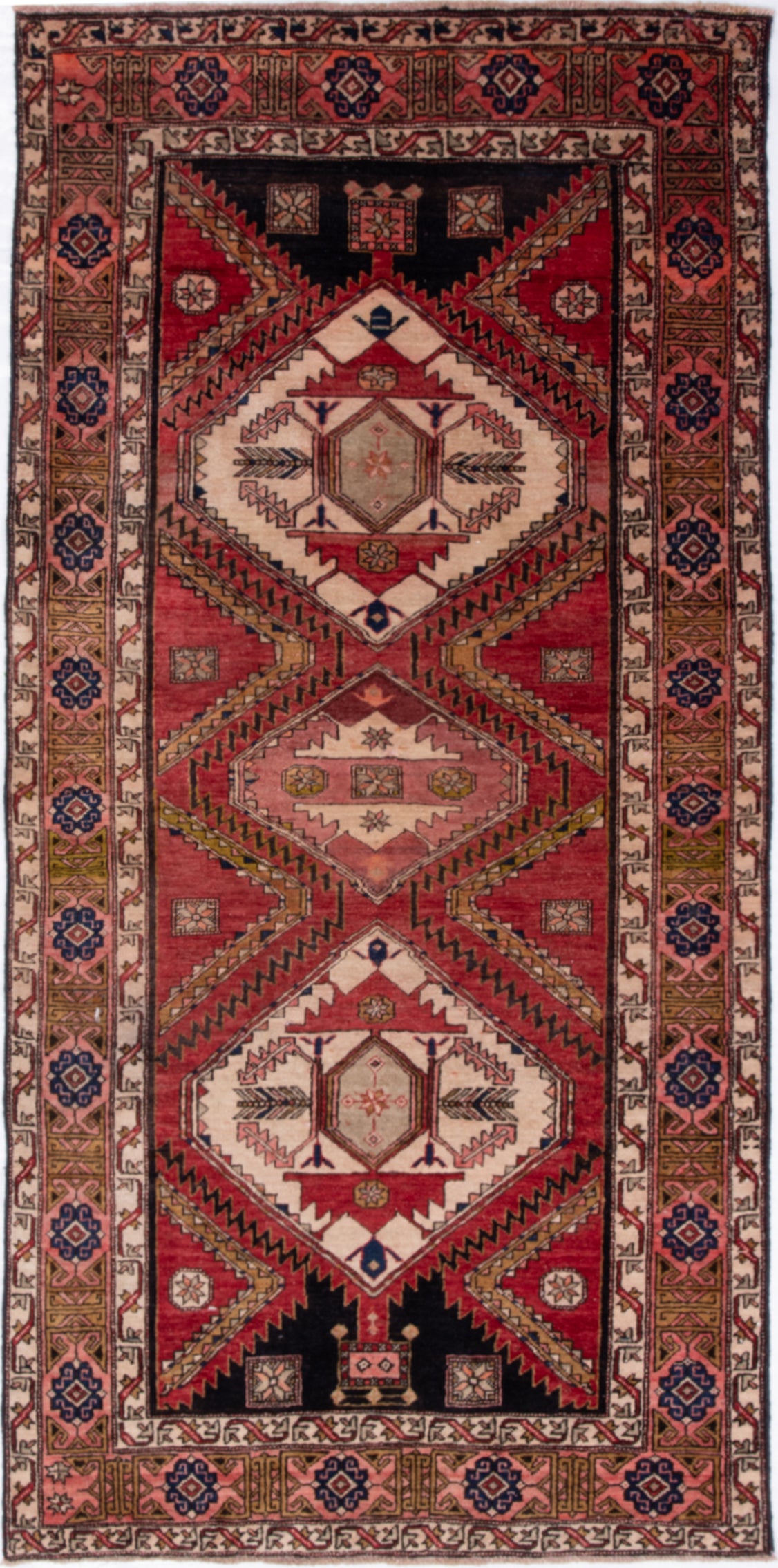
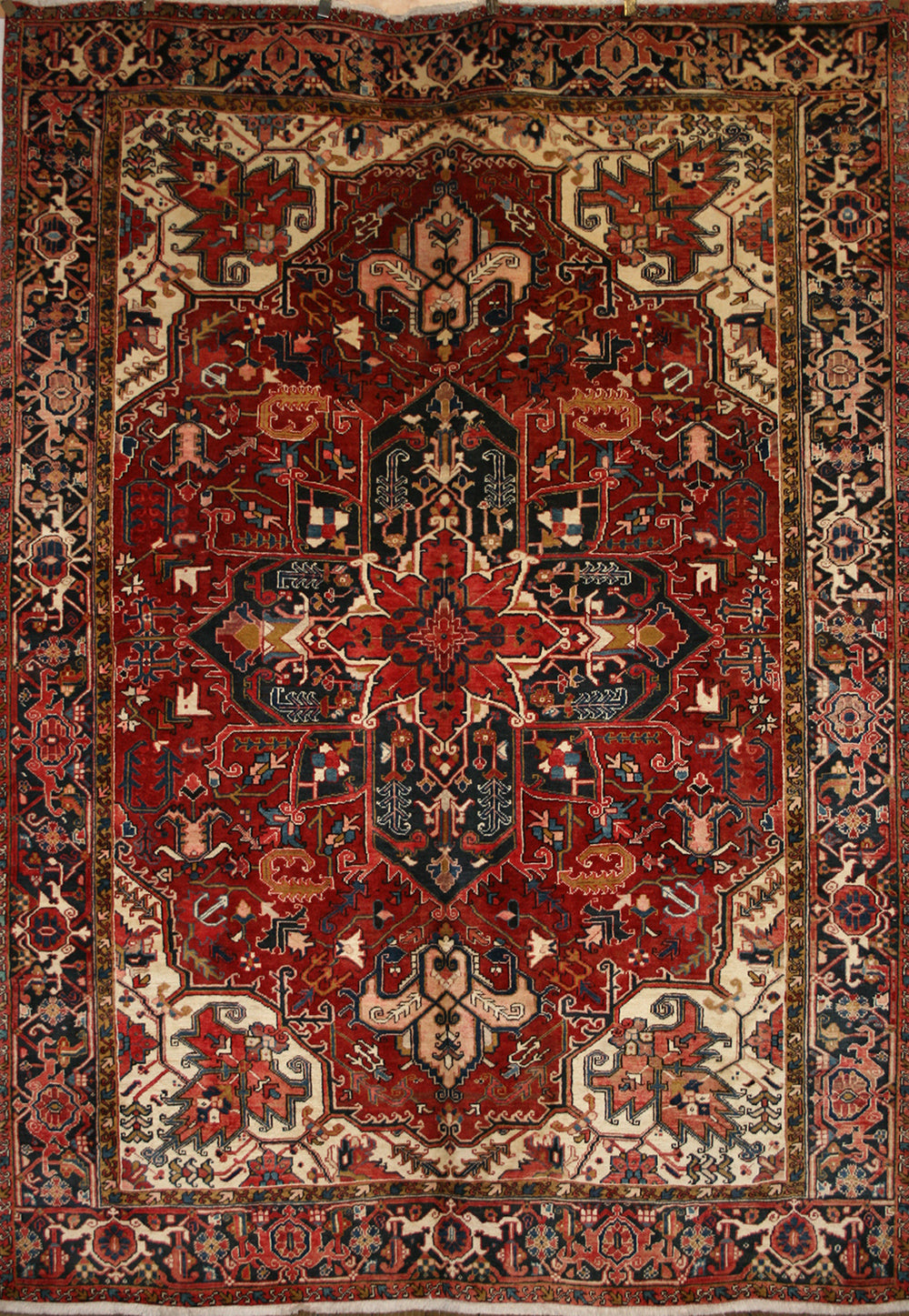
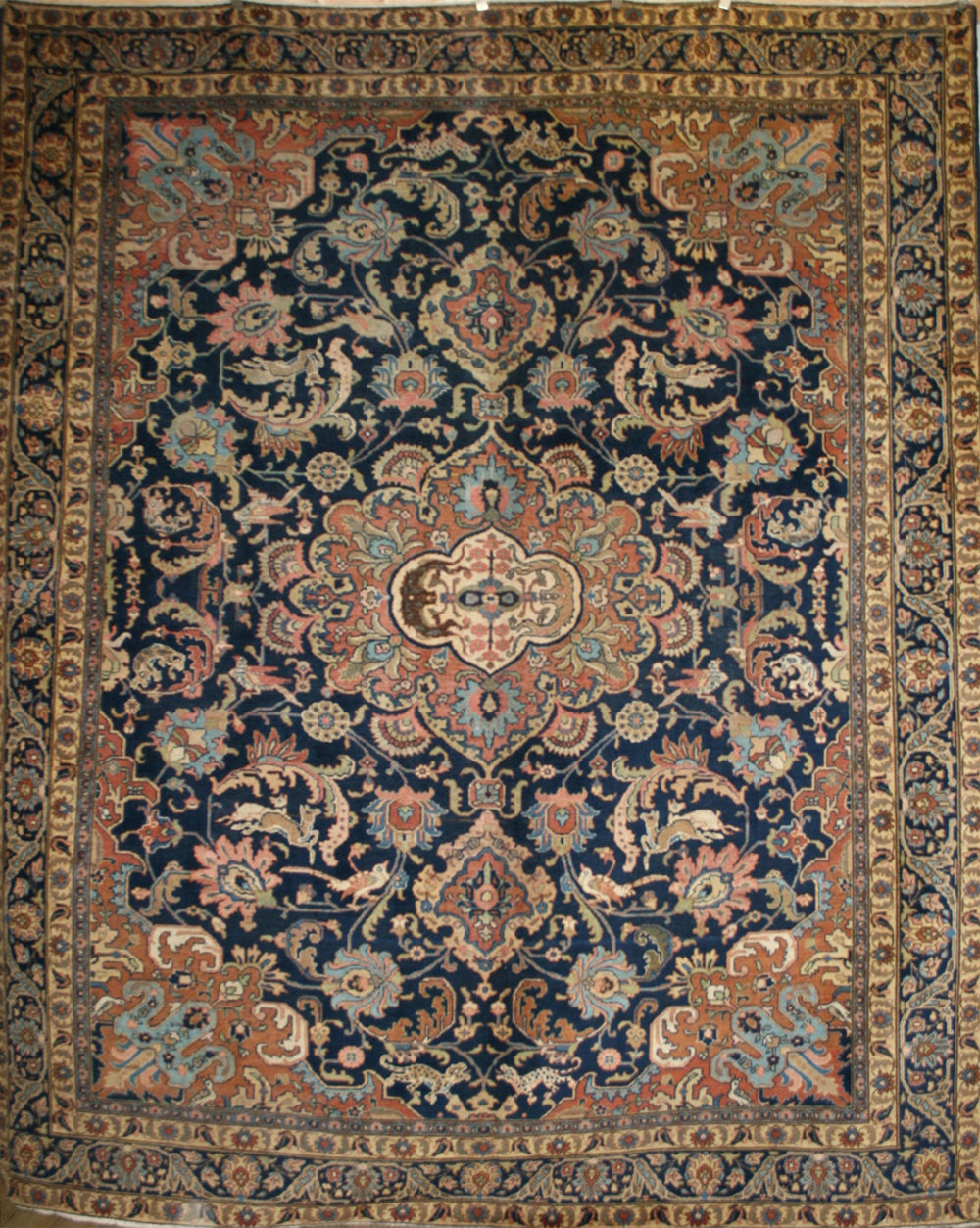
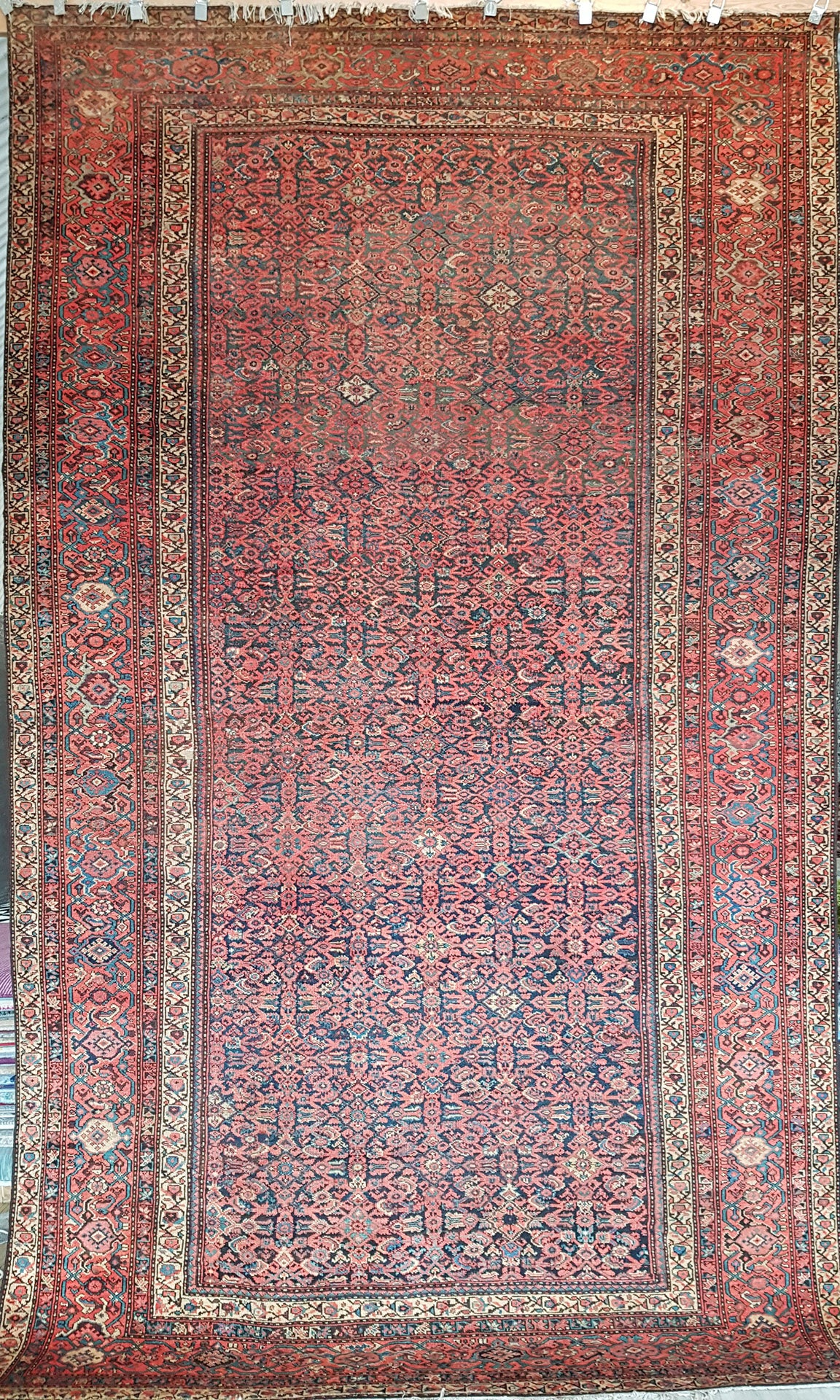
North West Iran, with Heriz and Tabriz at its heart, is a vibrant tapestry of rug weaving. The region's rugs are known for their robust construction and large-scale geometric patterns, reflecting the resilience and creative spirit of the local artisans.
West Iran
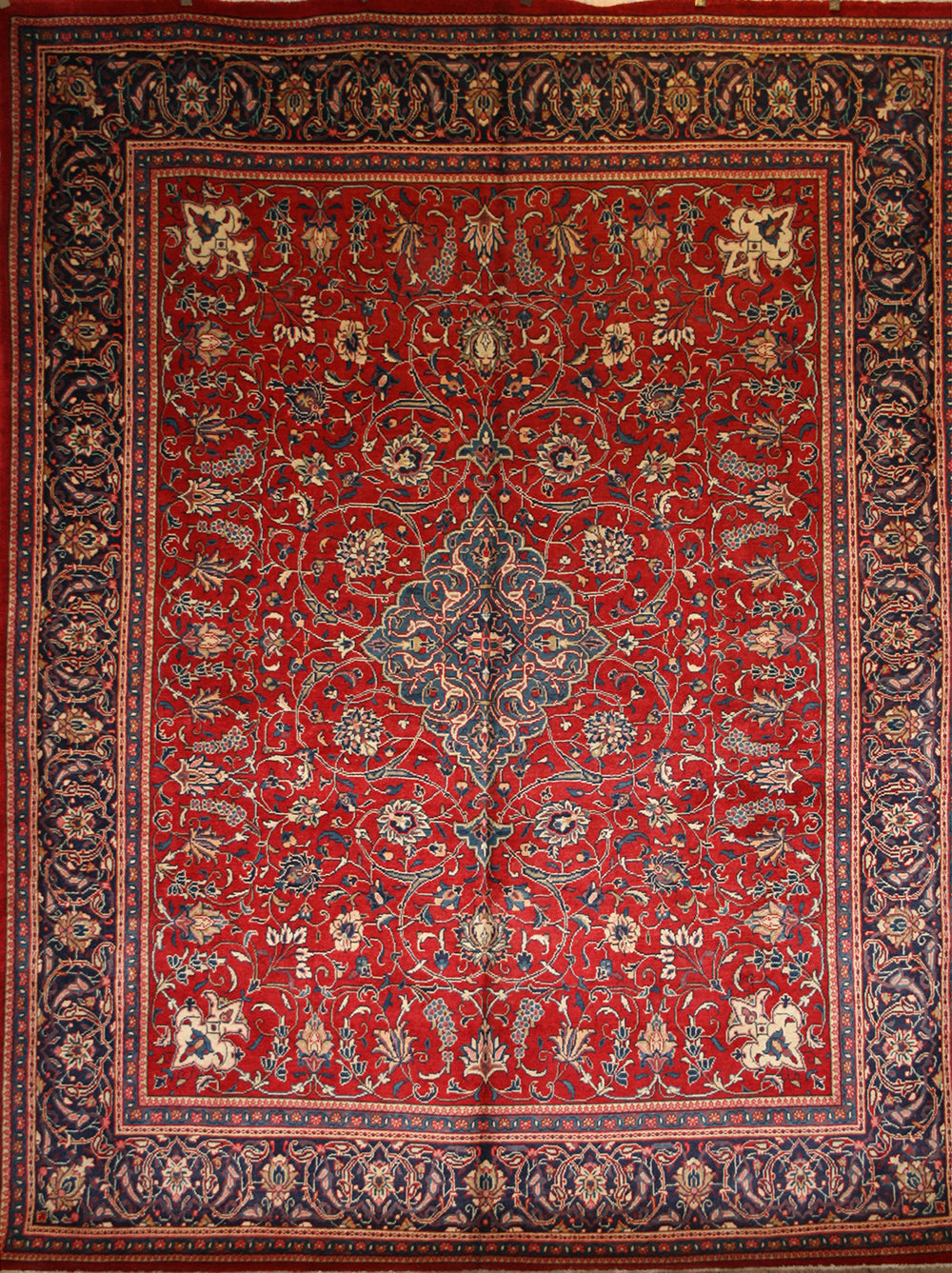
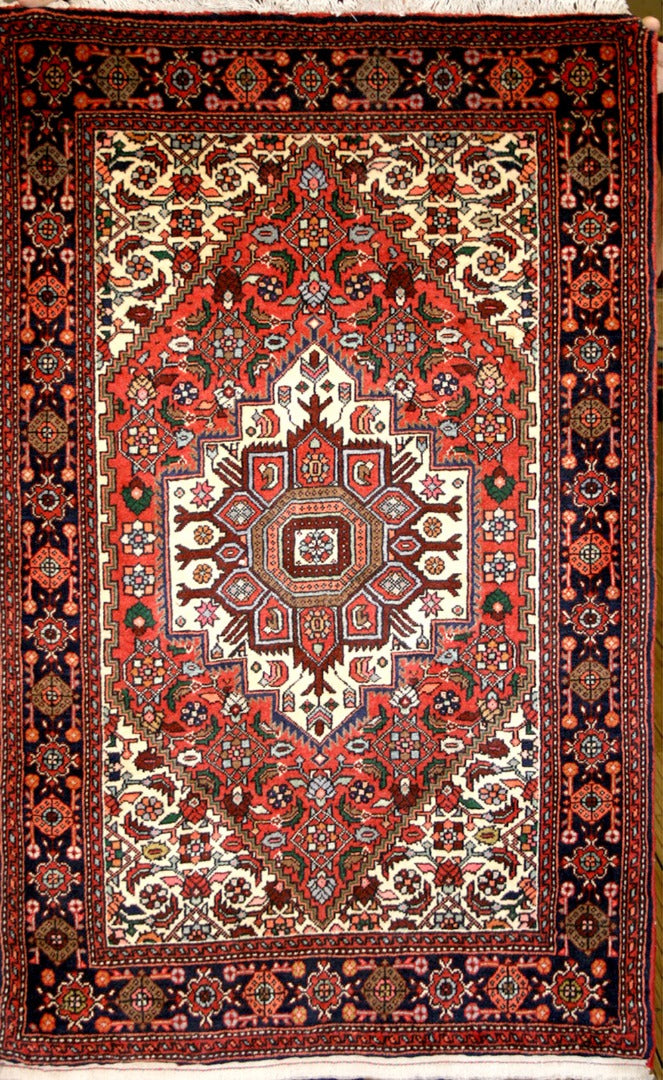
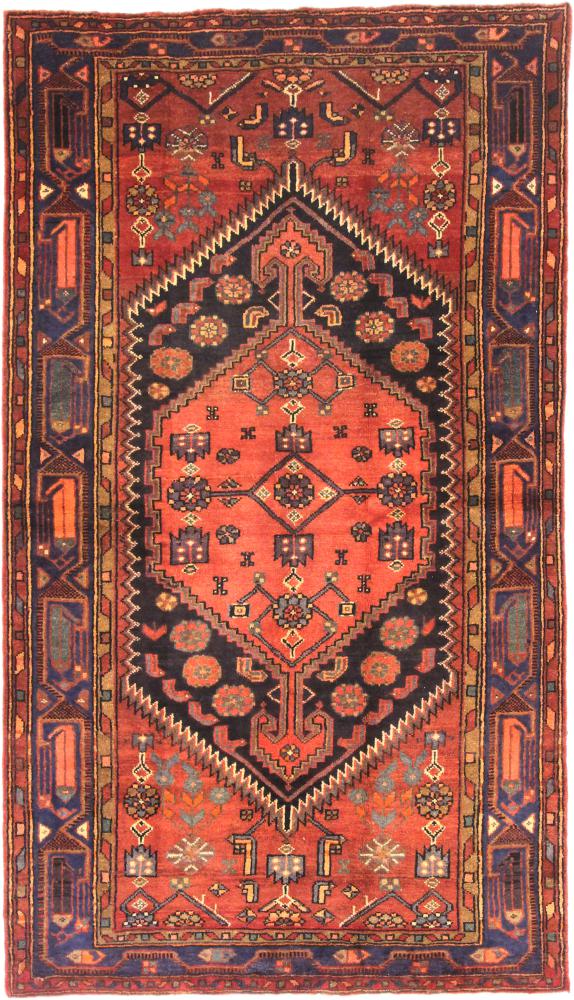
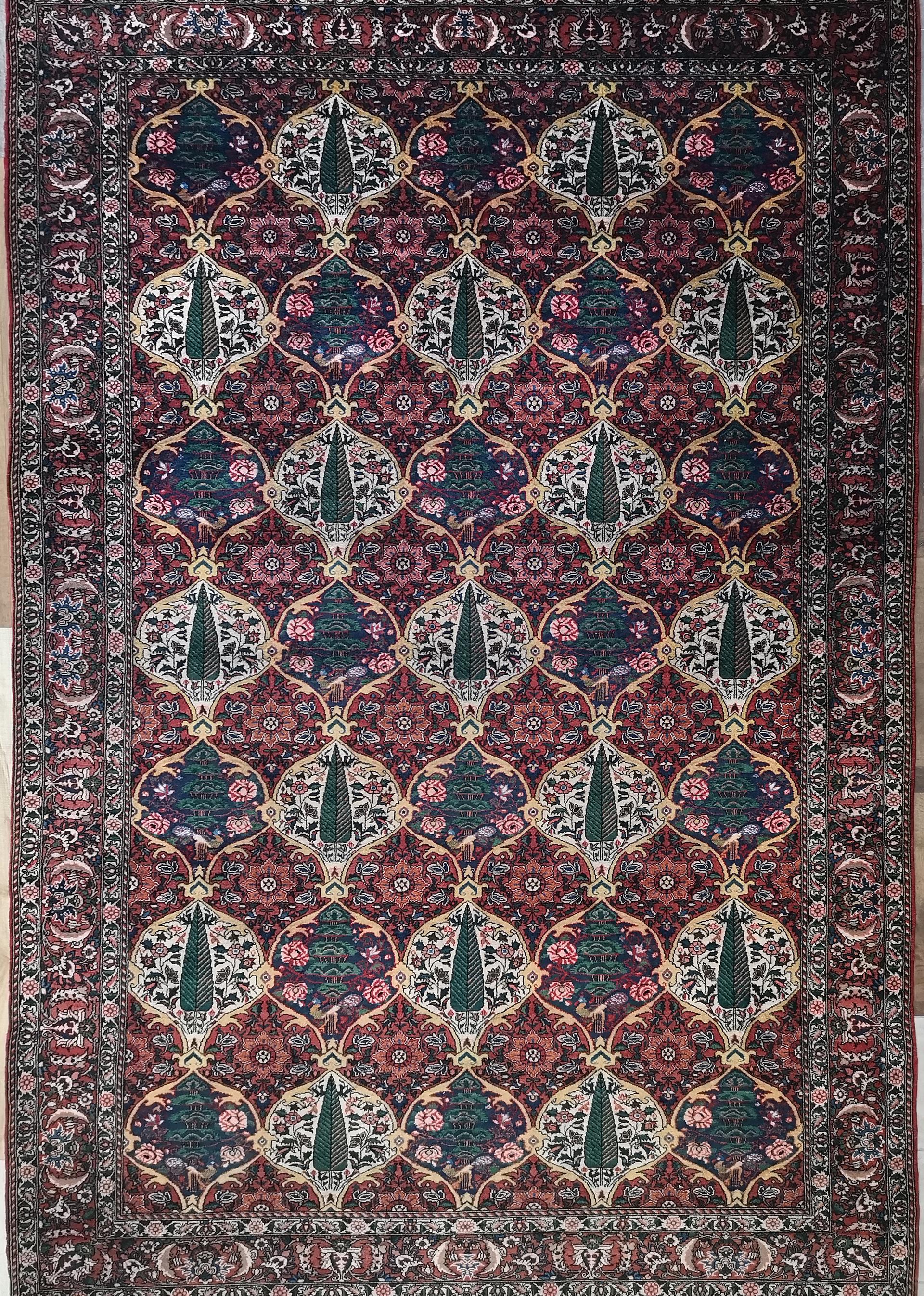
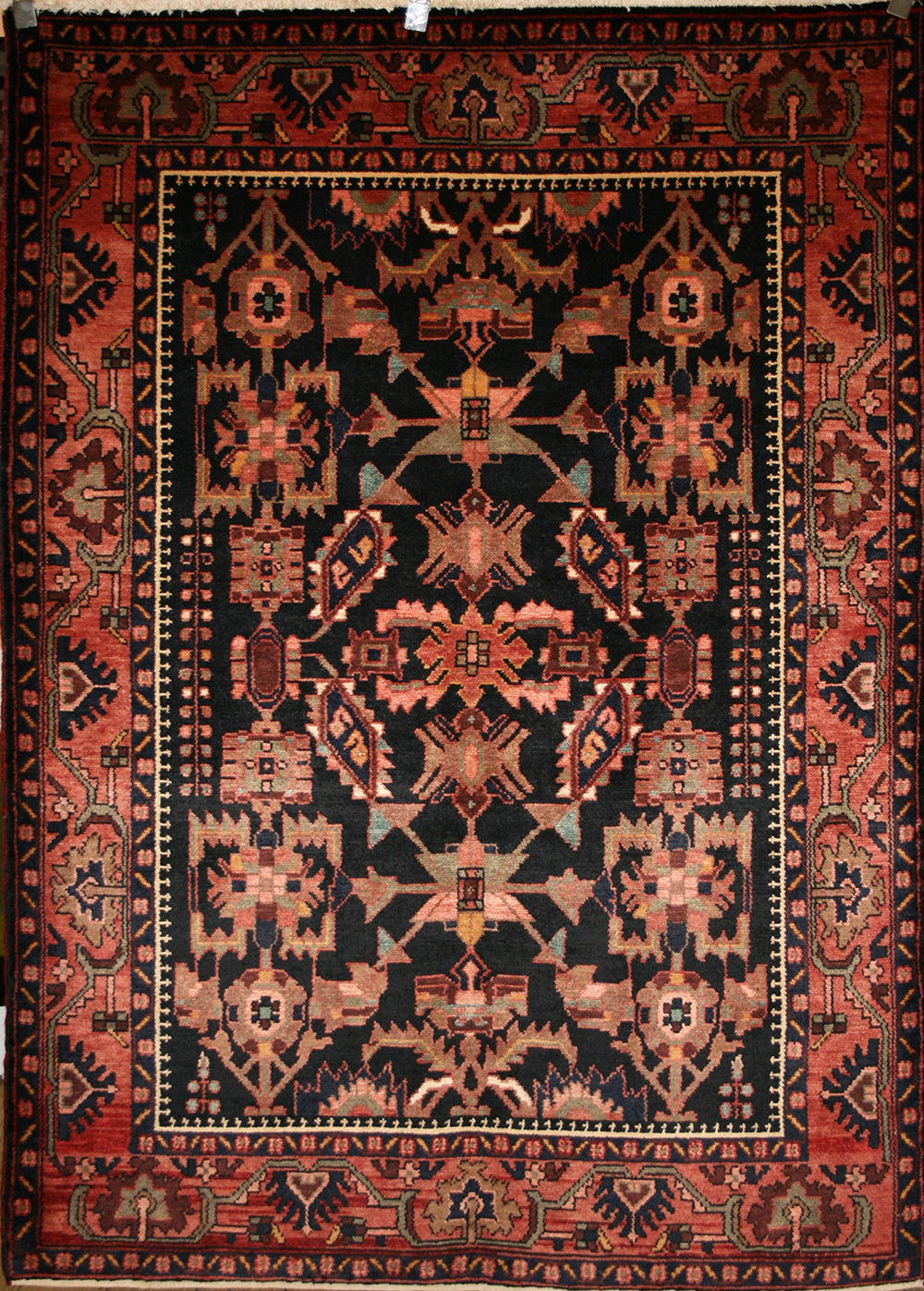
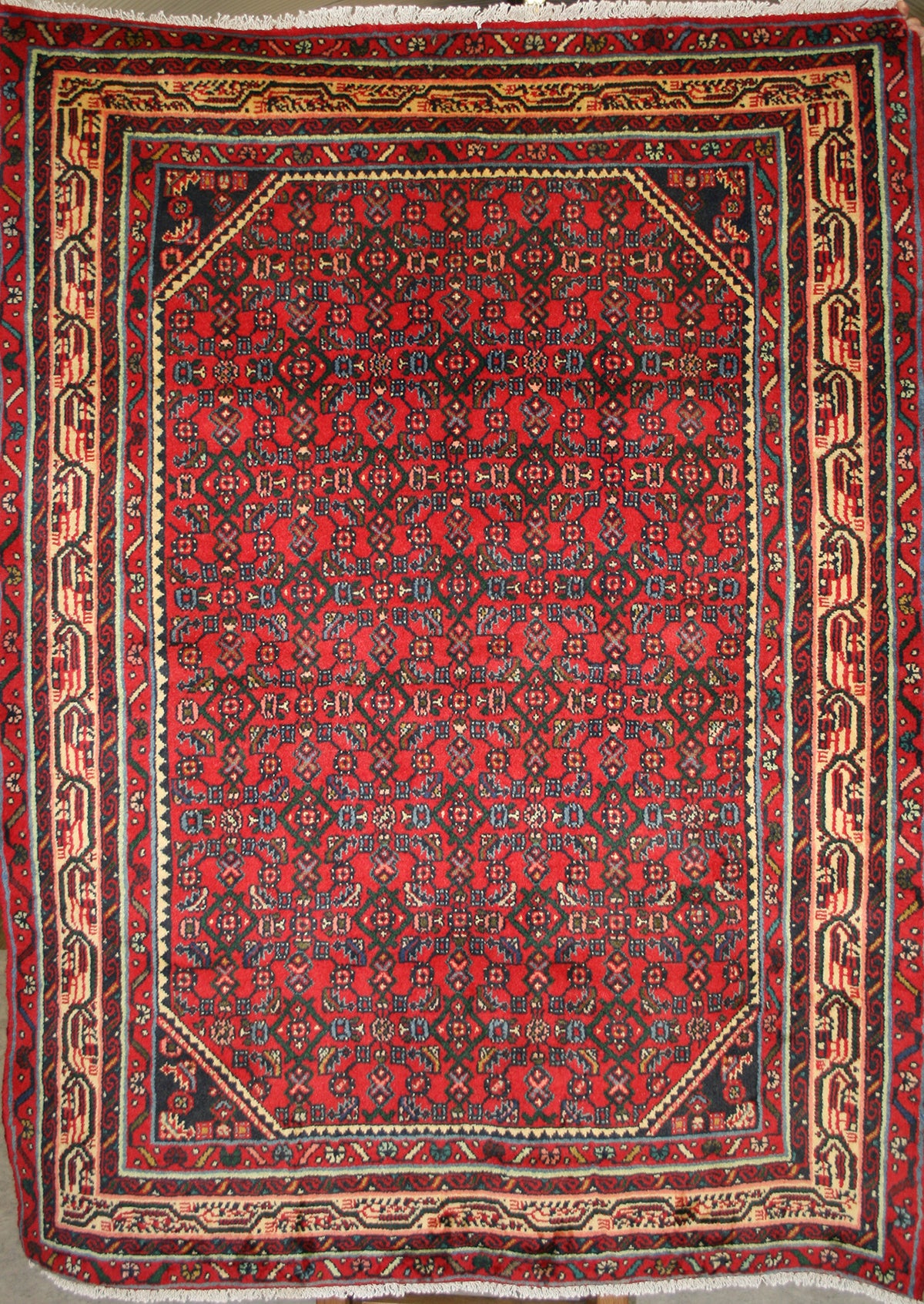
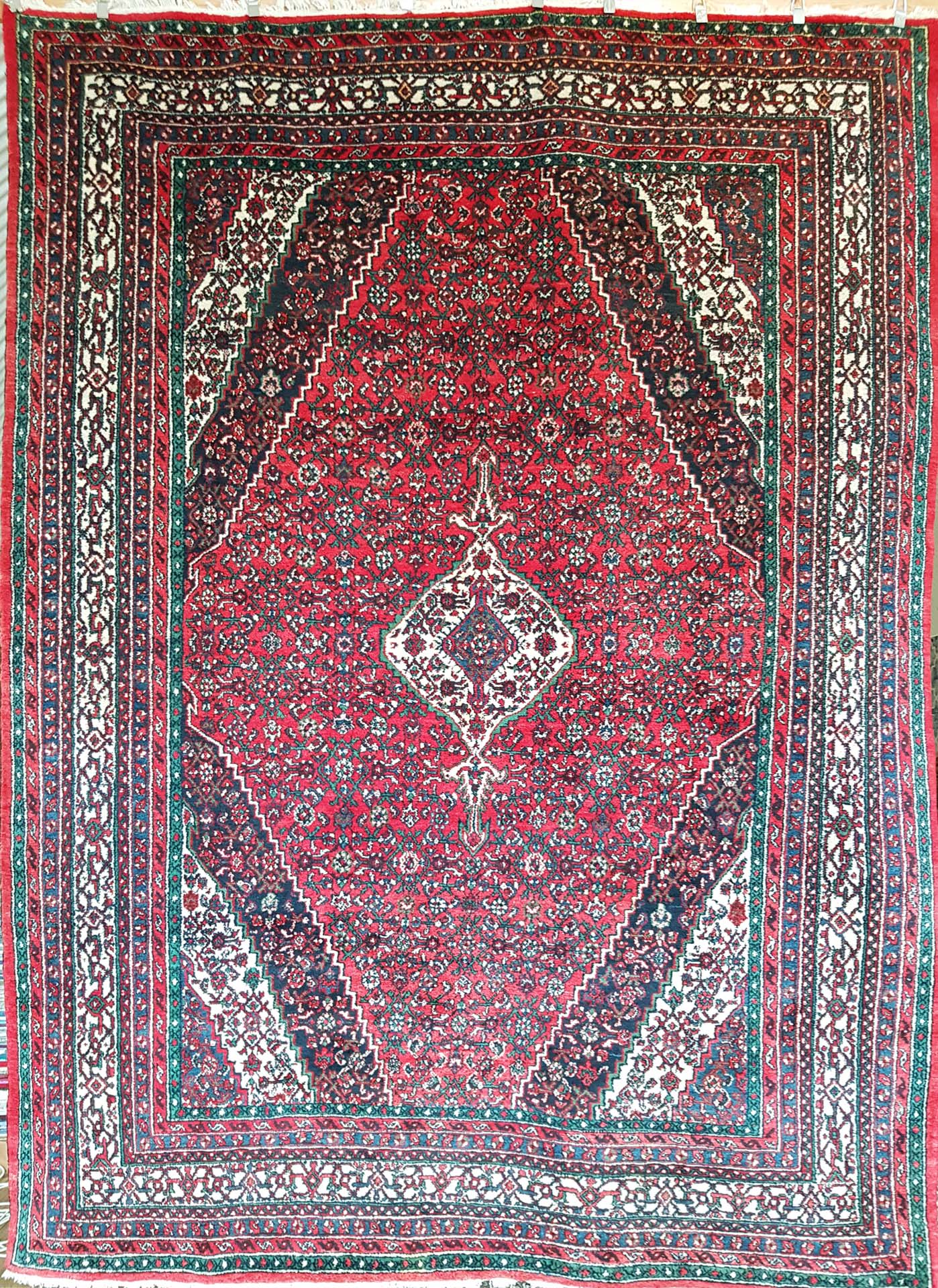
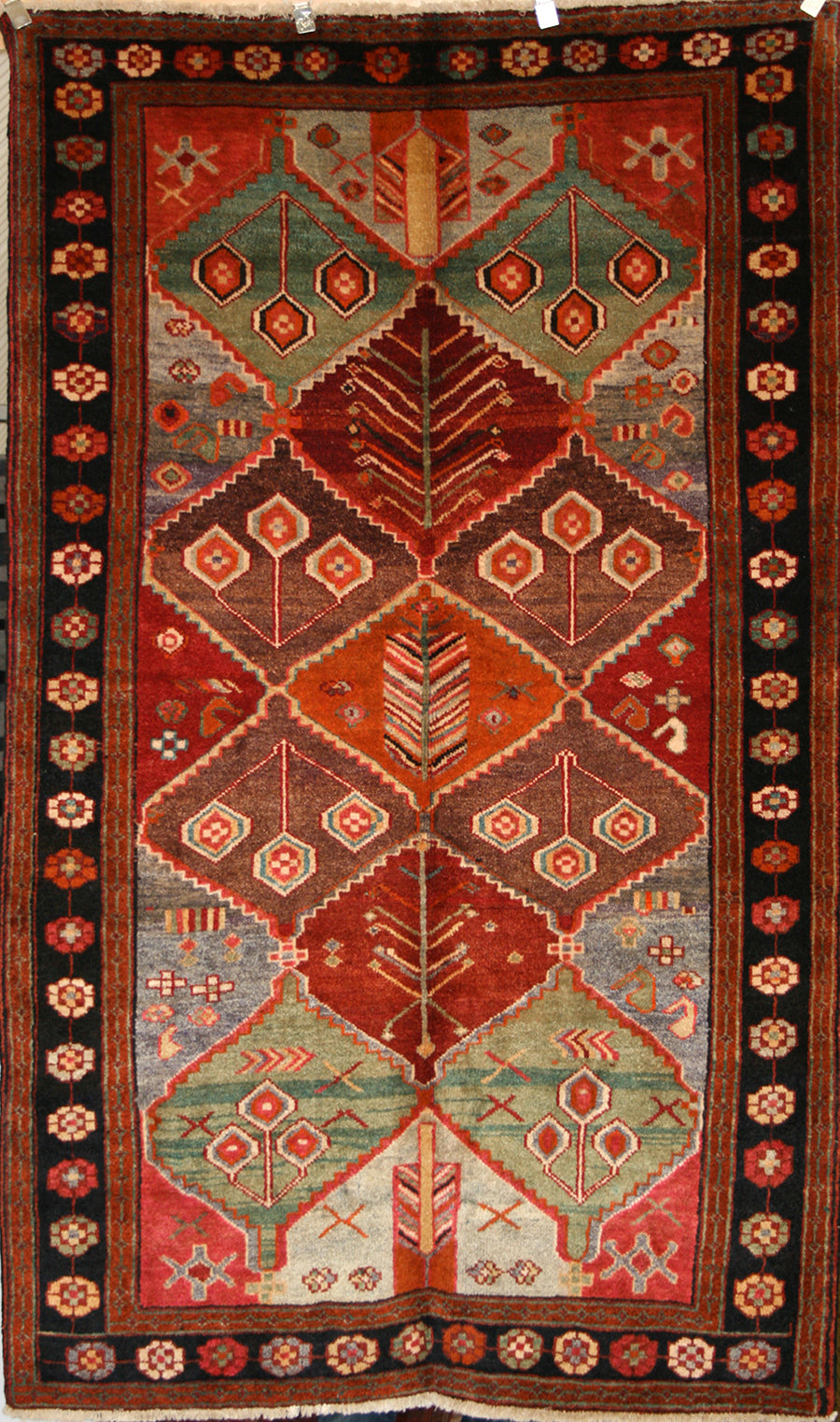
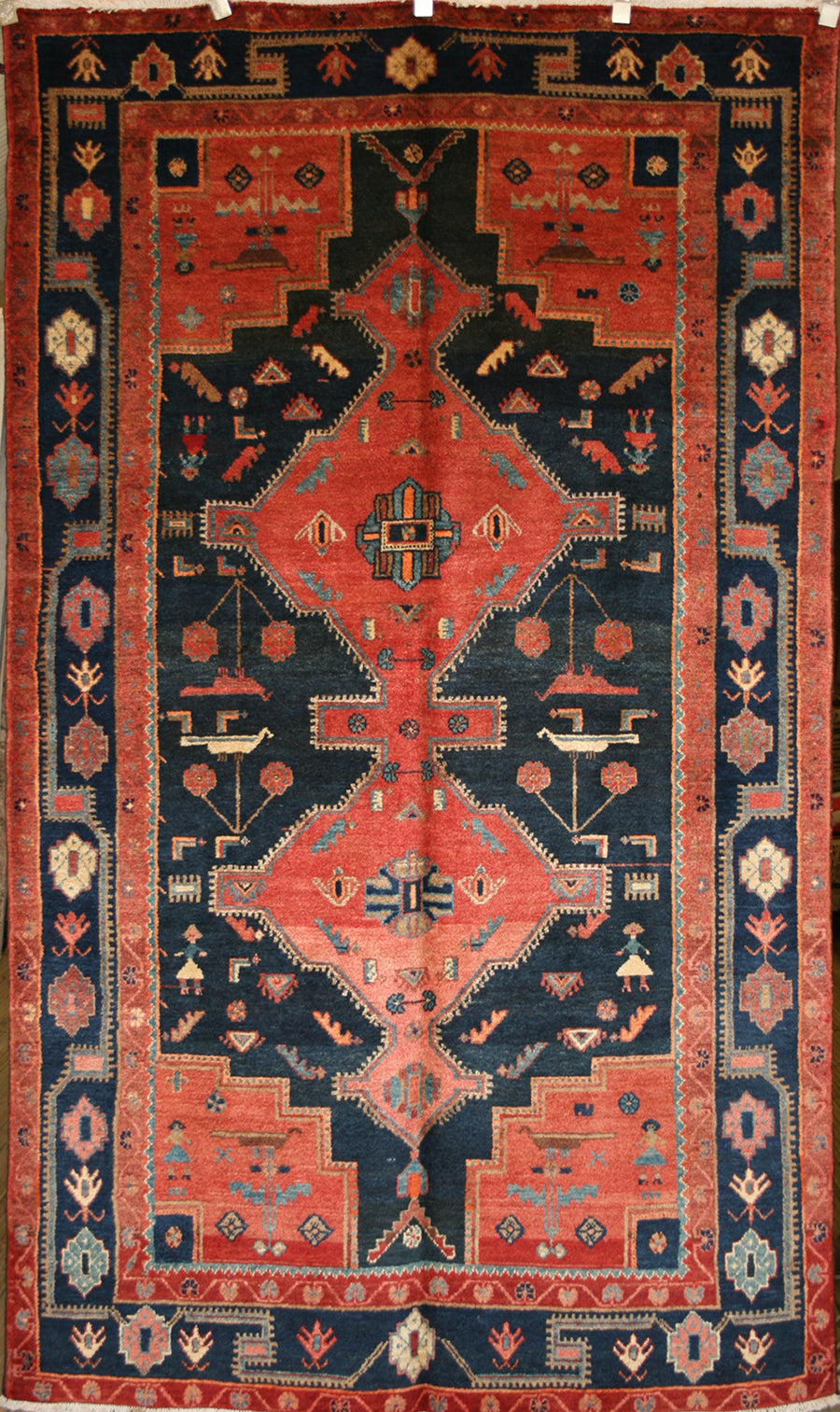
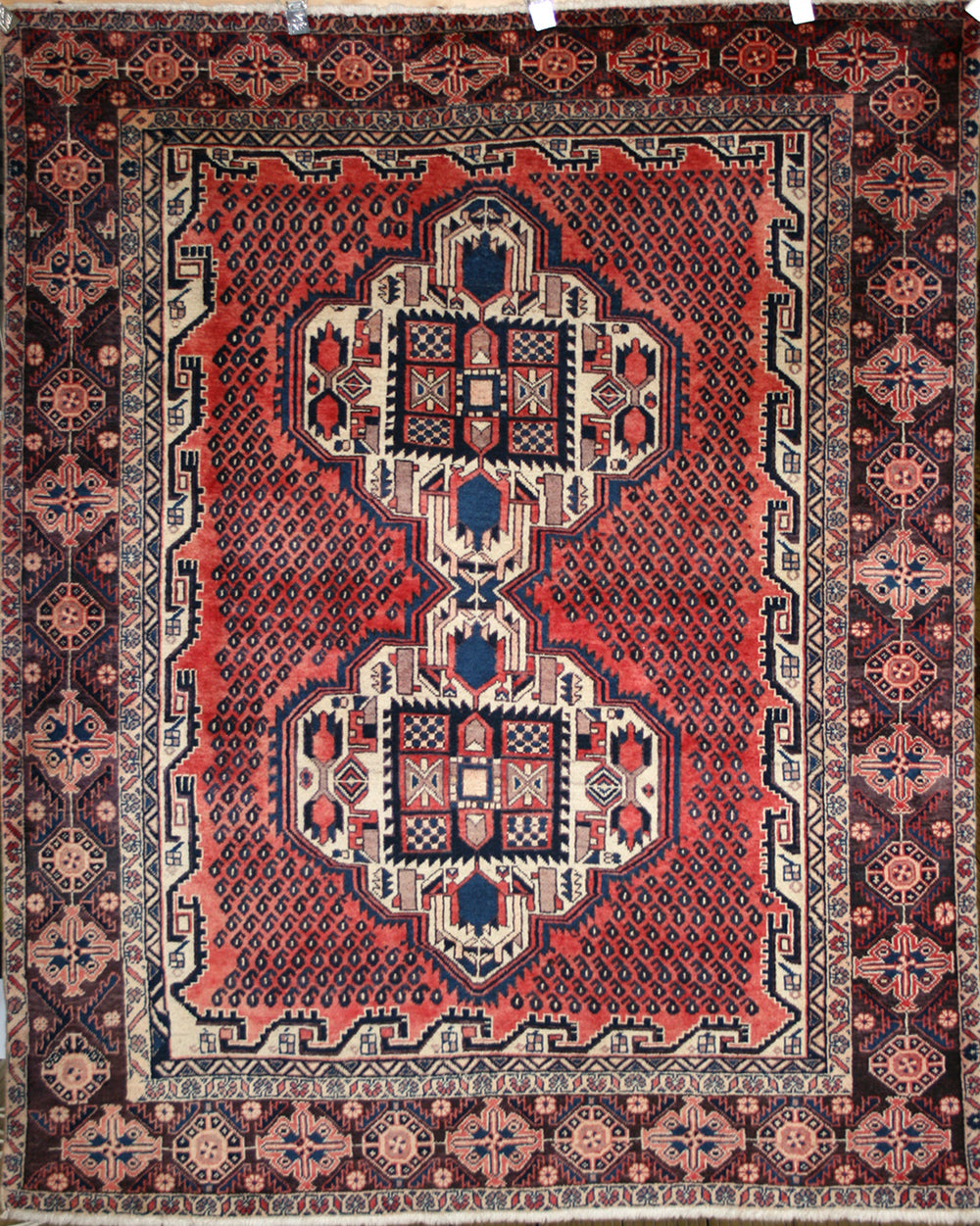
West Iran, home to Hamadan, Bijar, and the nomadic Bahktiari tribe, is a hub of diverse rug weaving traditions. The rugs from this region, often featuring bold tribal patterns and a rich palette, are a testament to the enduring spirit of the local communities and their centuries-old traditions.
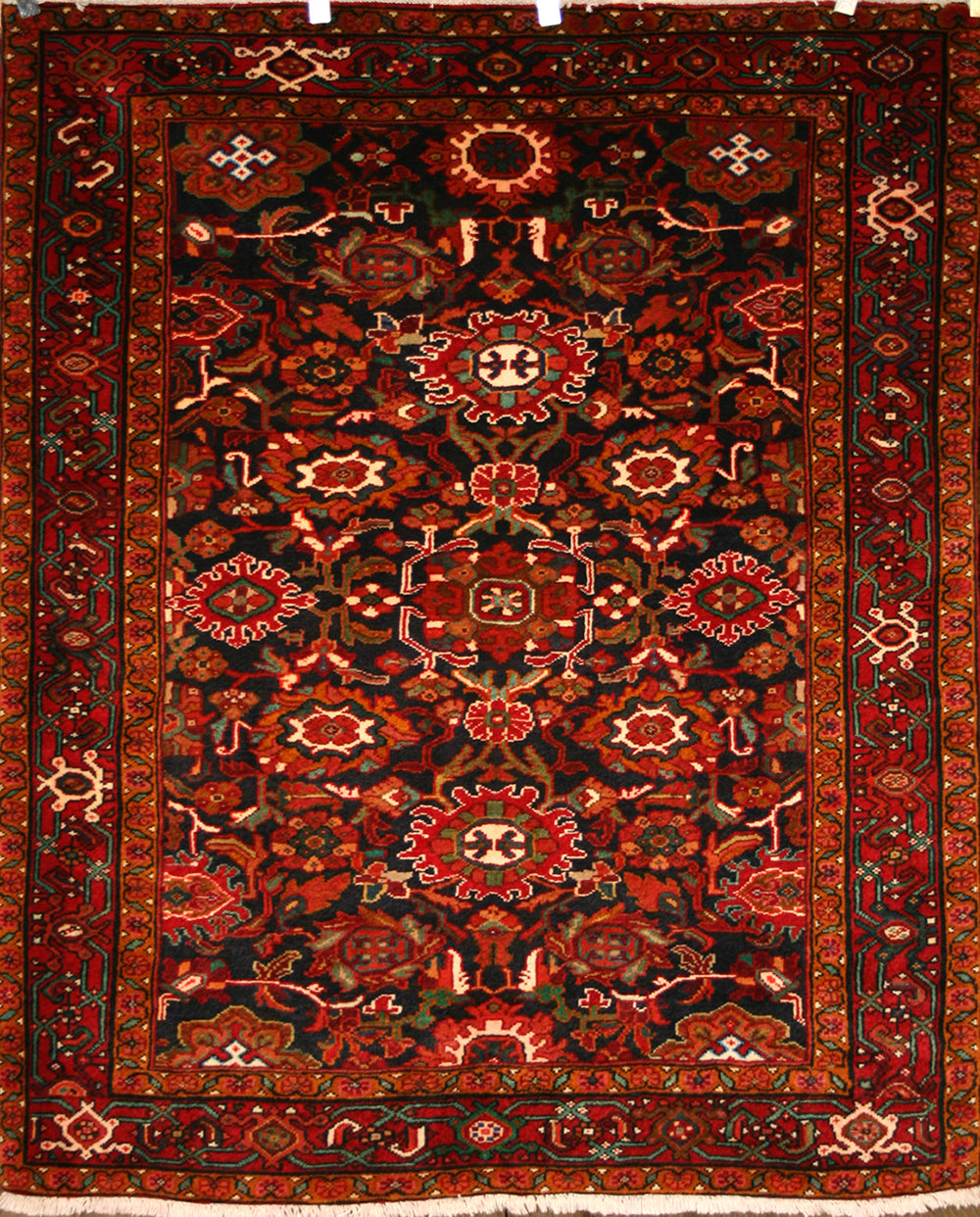
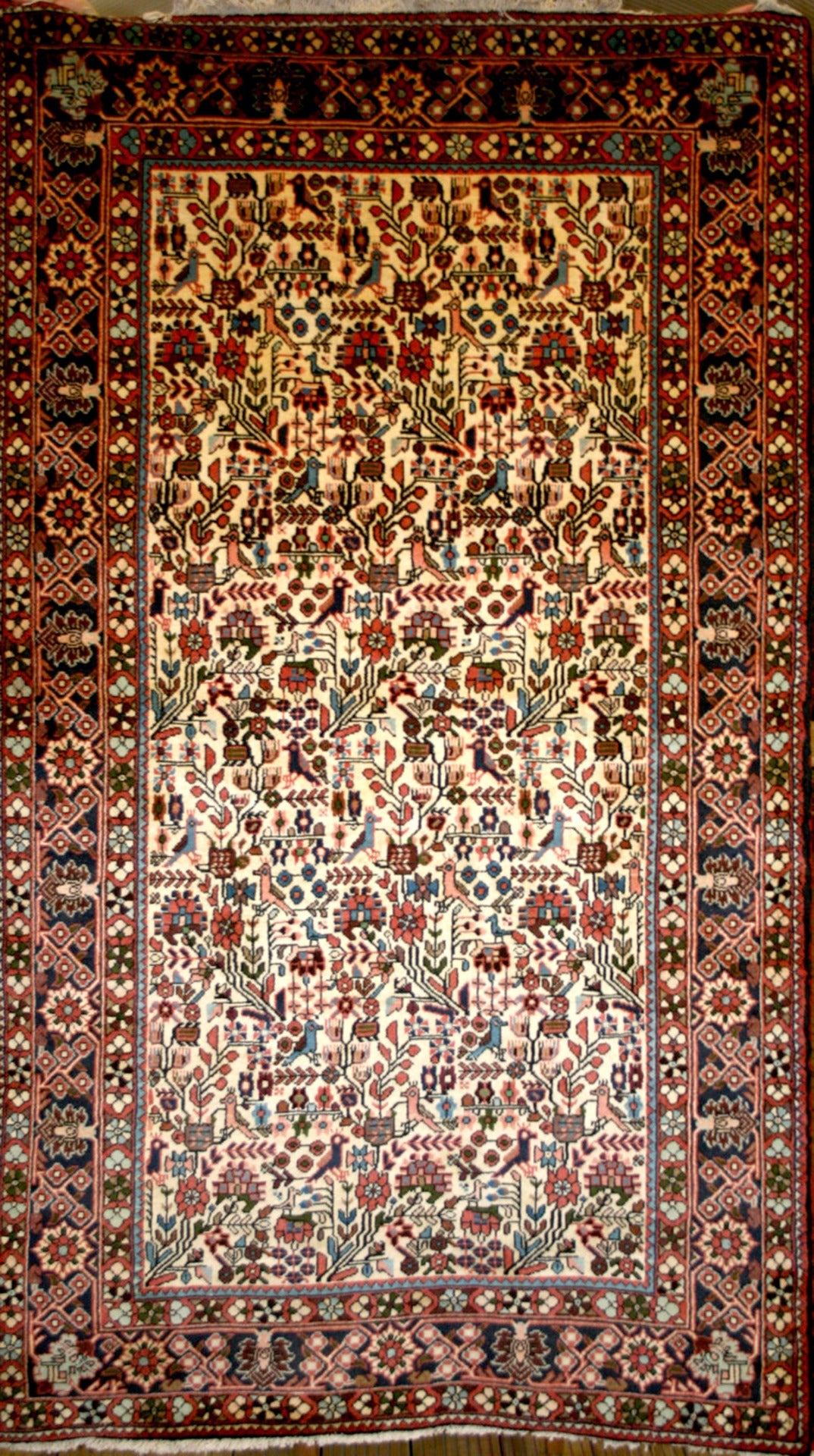
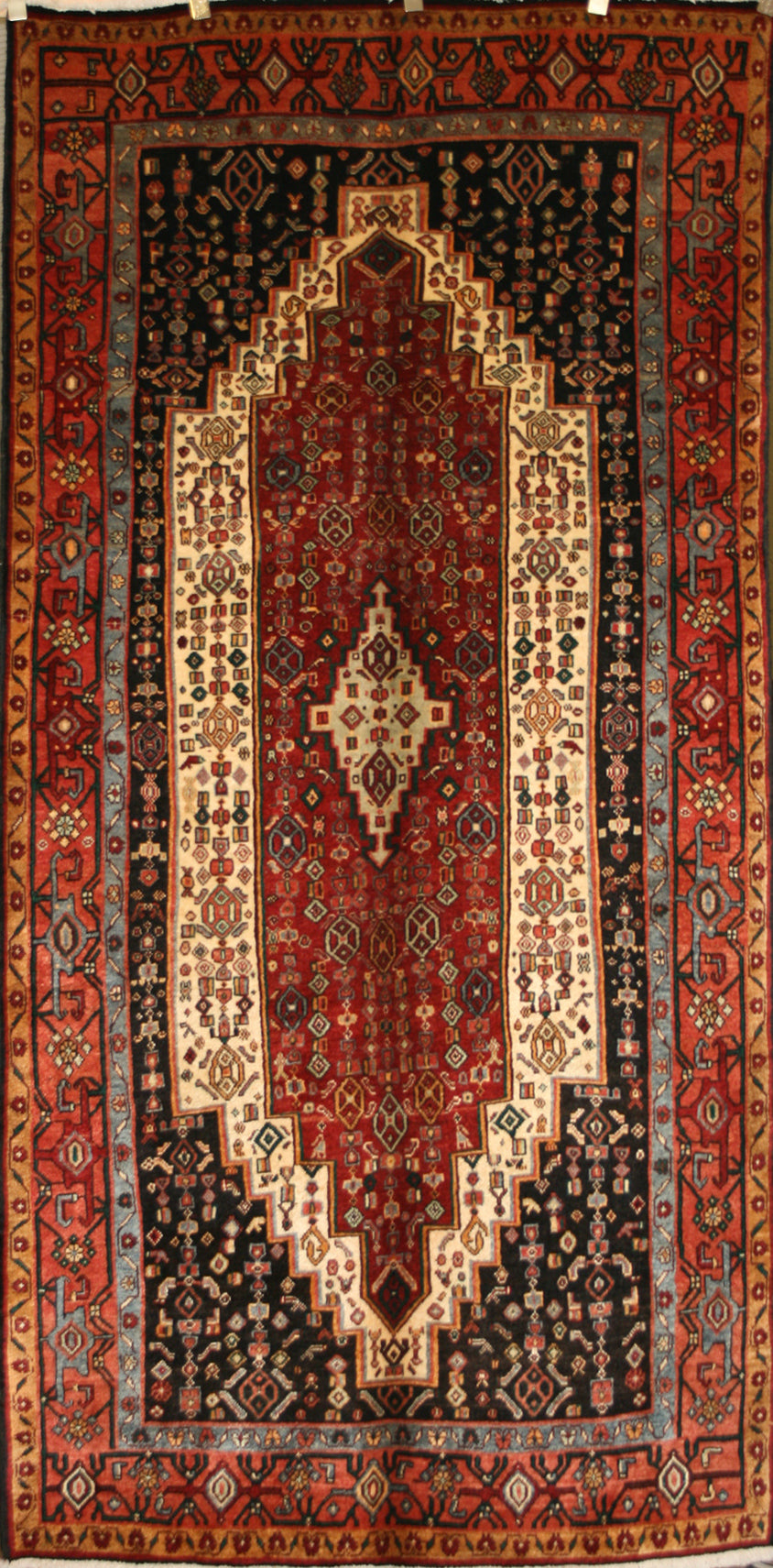
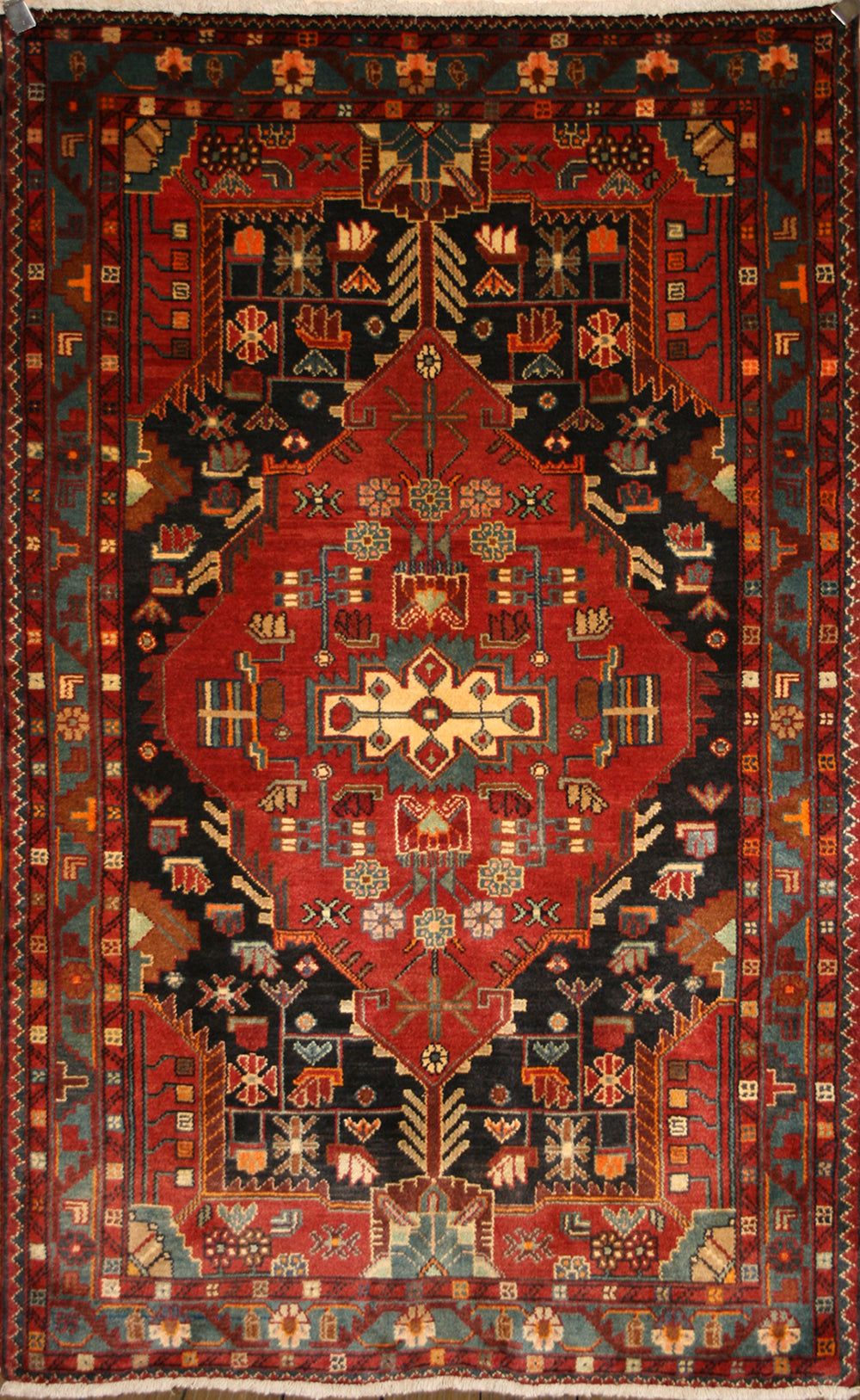
South Iran
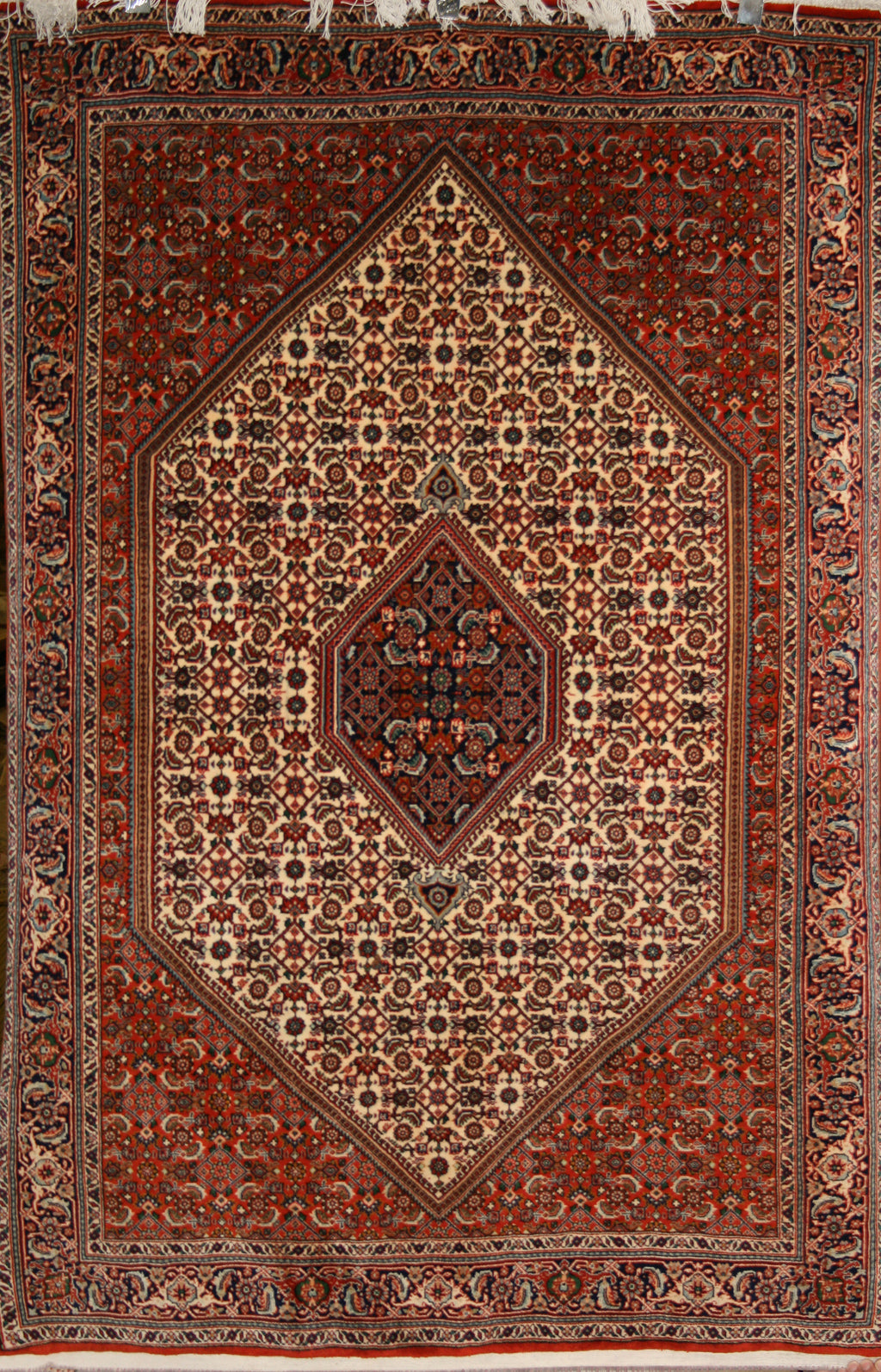
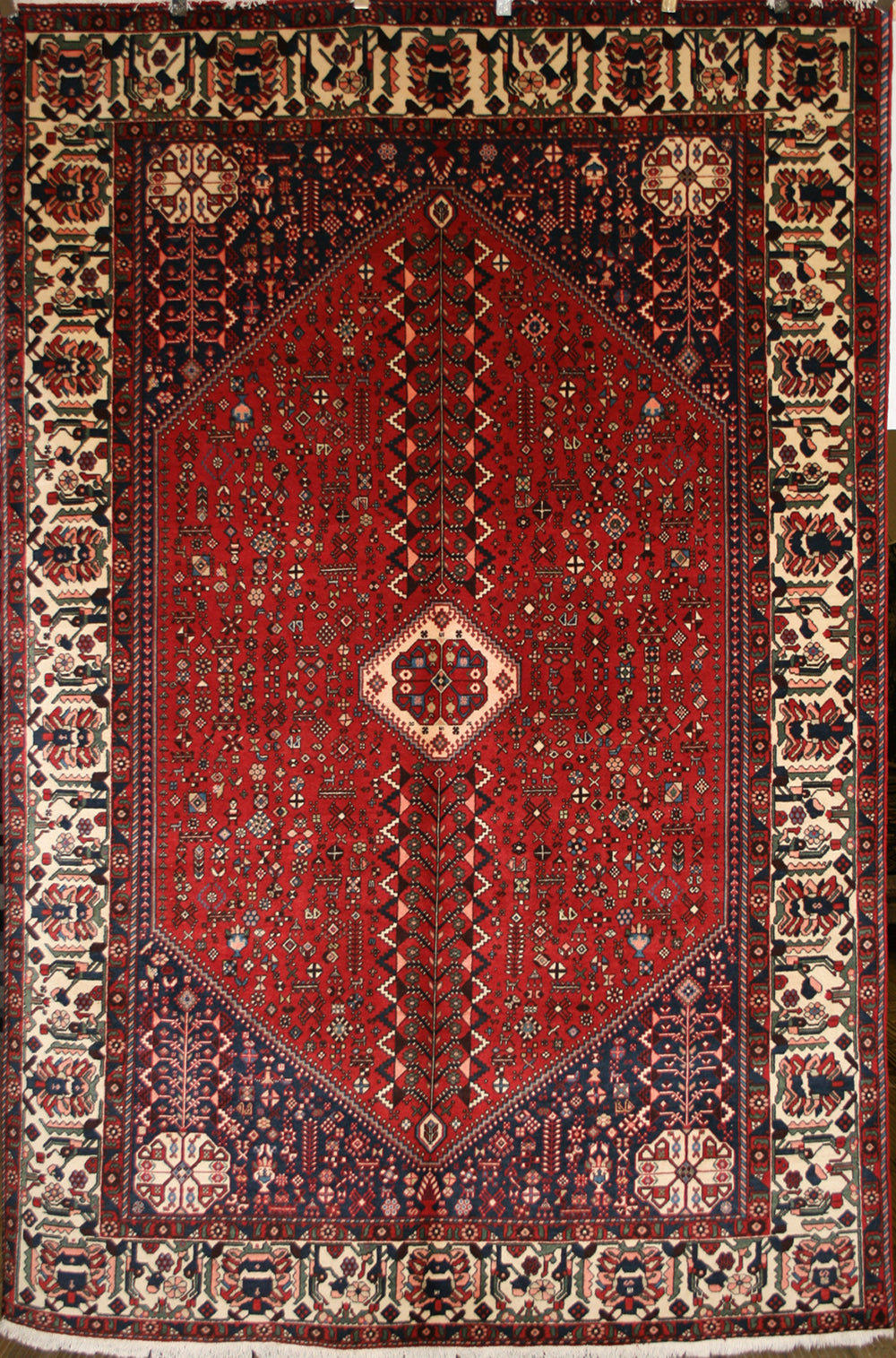
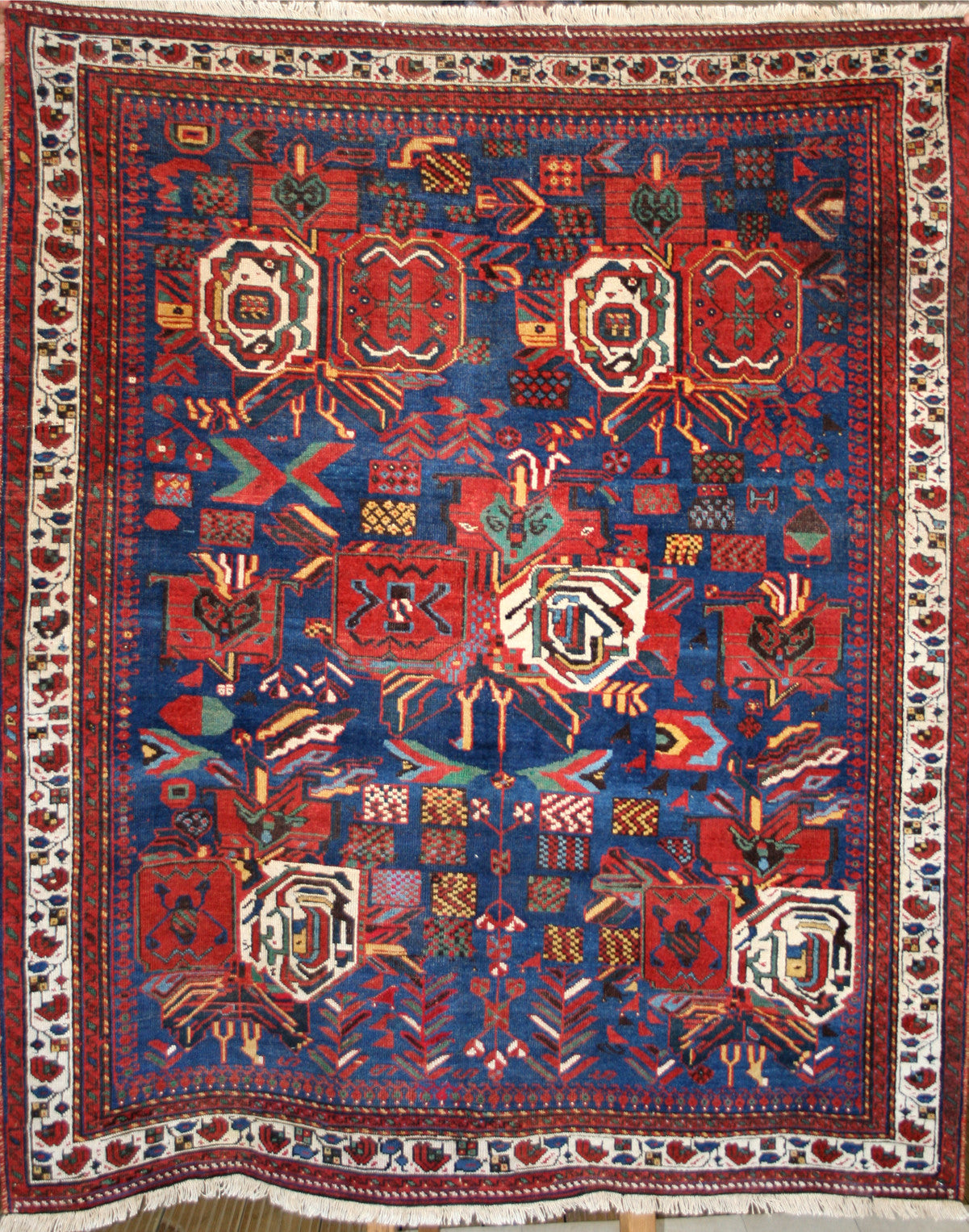
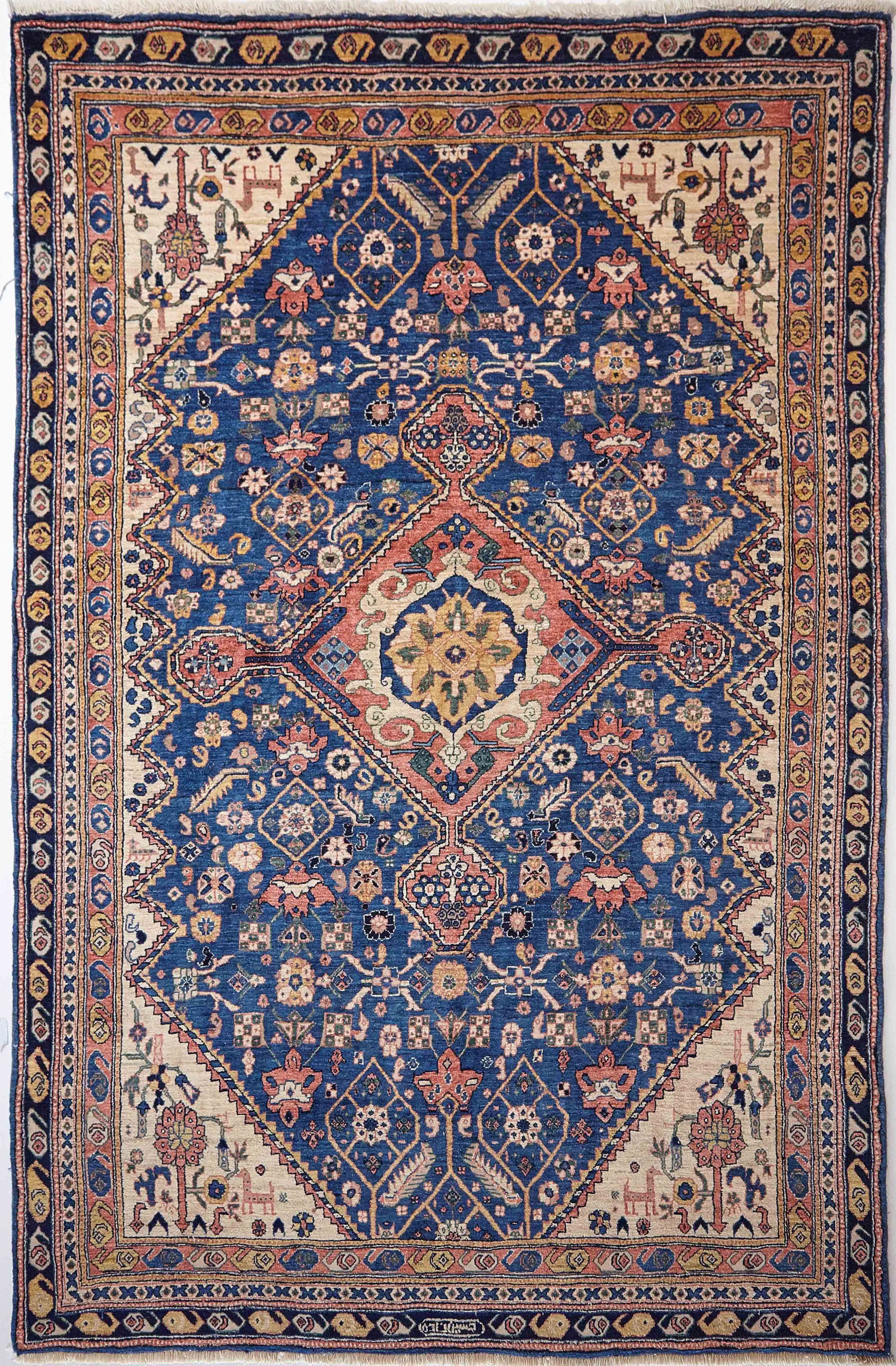
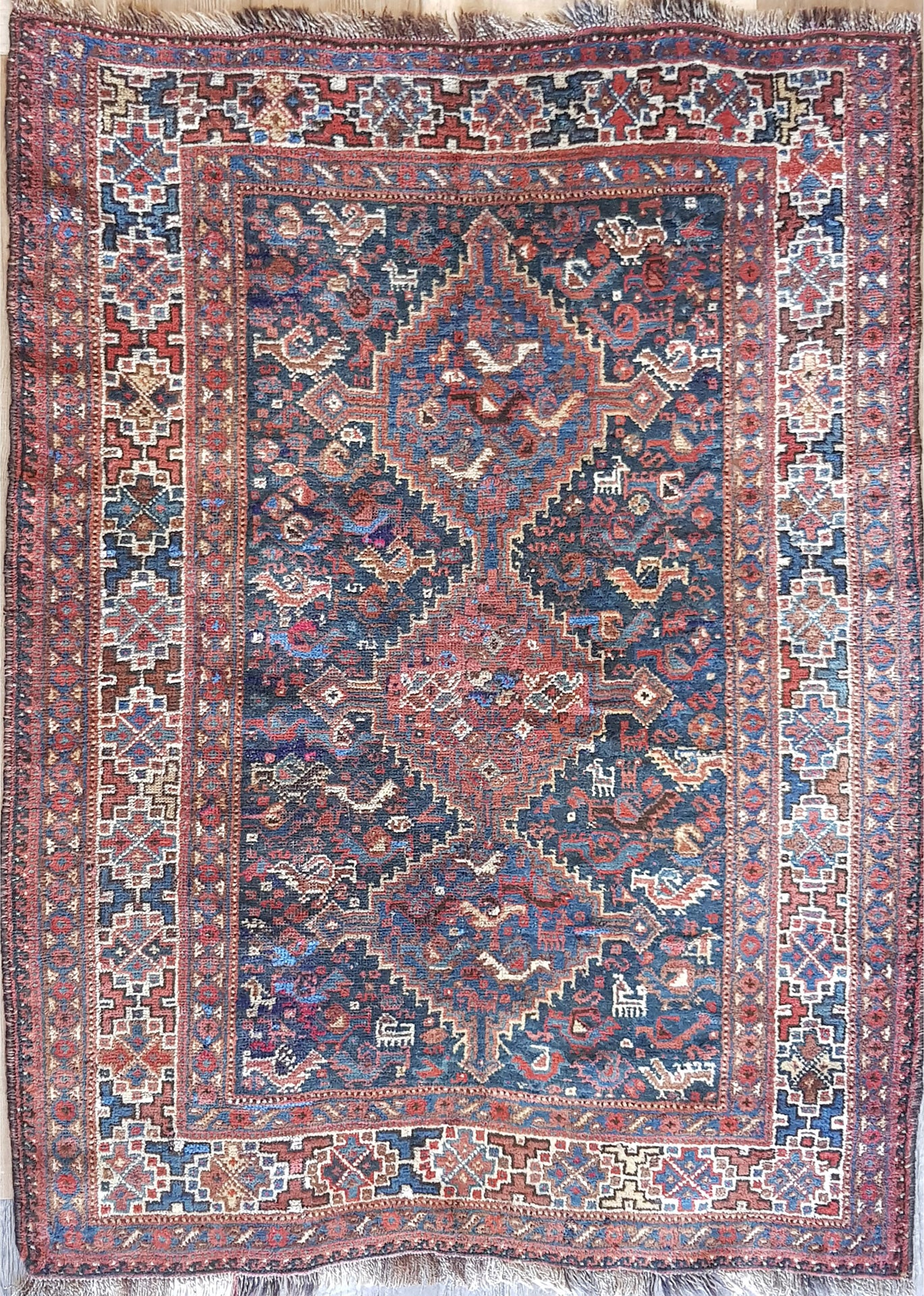
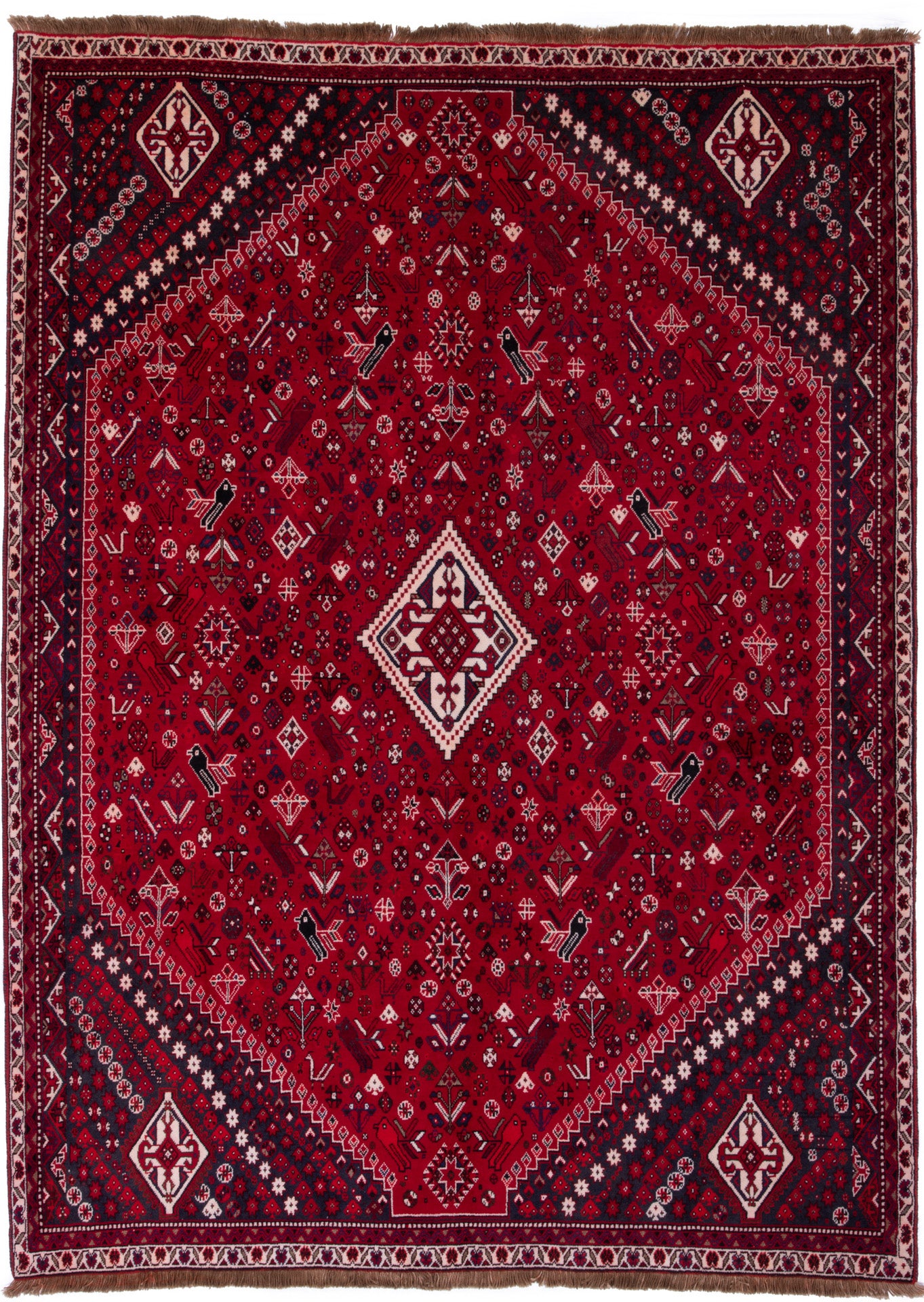
South Iran, where the warm climate meets a rich history in cities like Shiraz and the nomadic Qashqai tribe, is a significant contributor to the rug weaving tradition. The region's rugs, known for their intricate tribal designs and high-quality wool, are a reflection of the area's natural abundance and artistic heritage.
East Iran
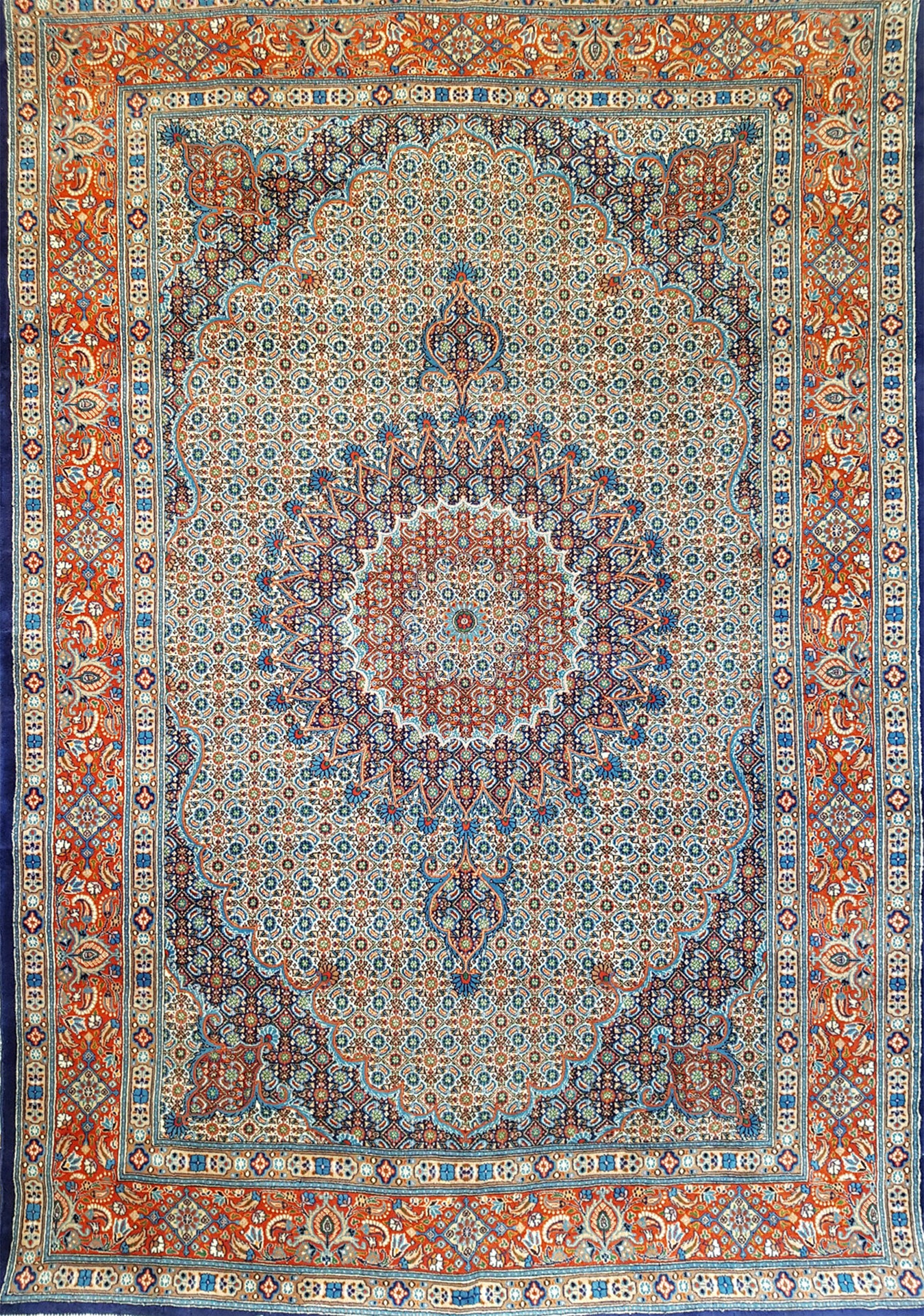
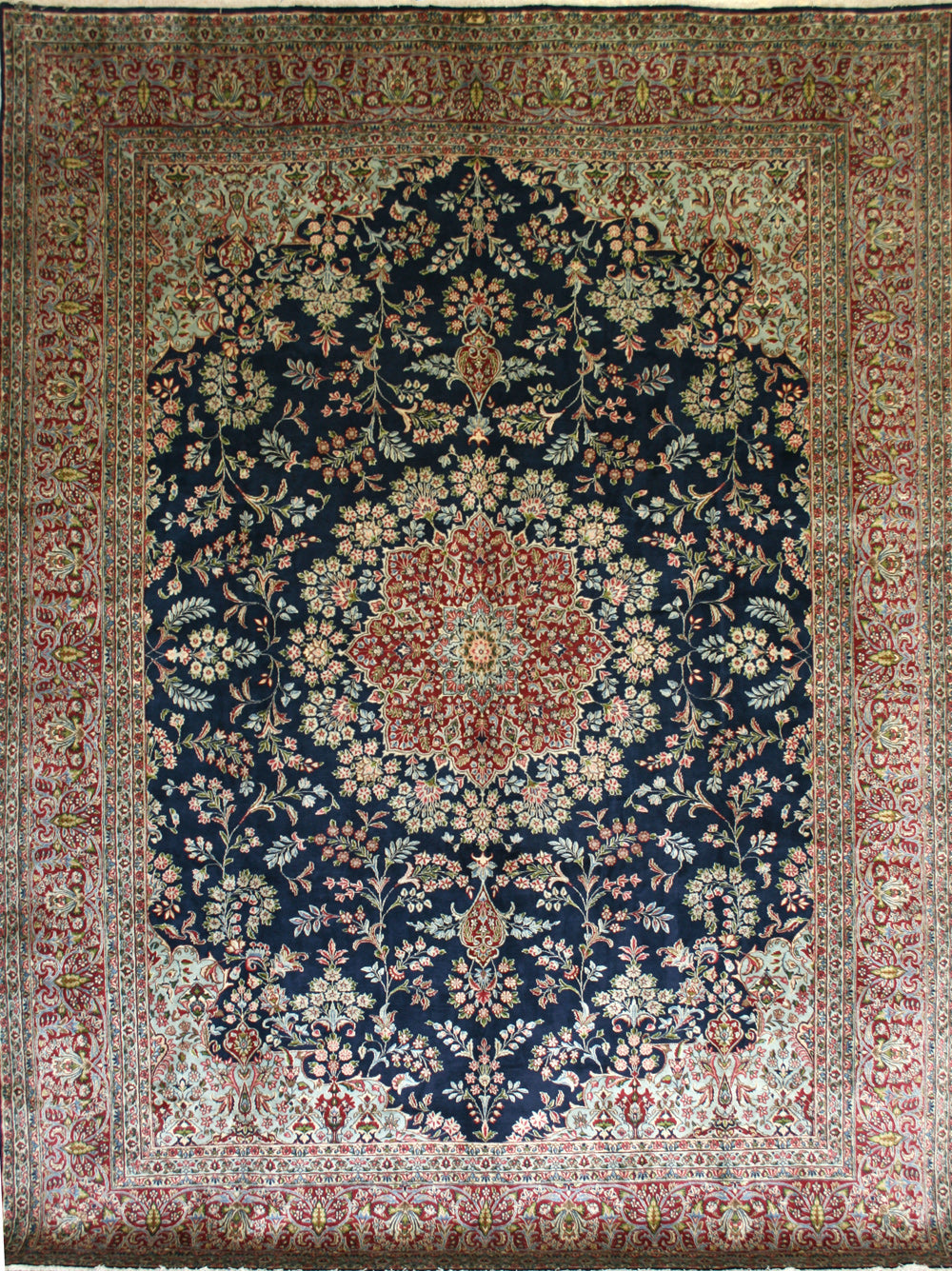
East Iran, with Kerman as its crown jewel, is renowned for its rug weaving. The region's rugs, often featuring intricate curvilinear designs and a rich colour palette, are a testament to the area's deep cultural roots and the refined tastes of its people.
North East Iran
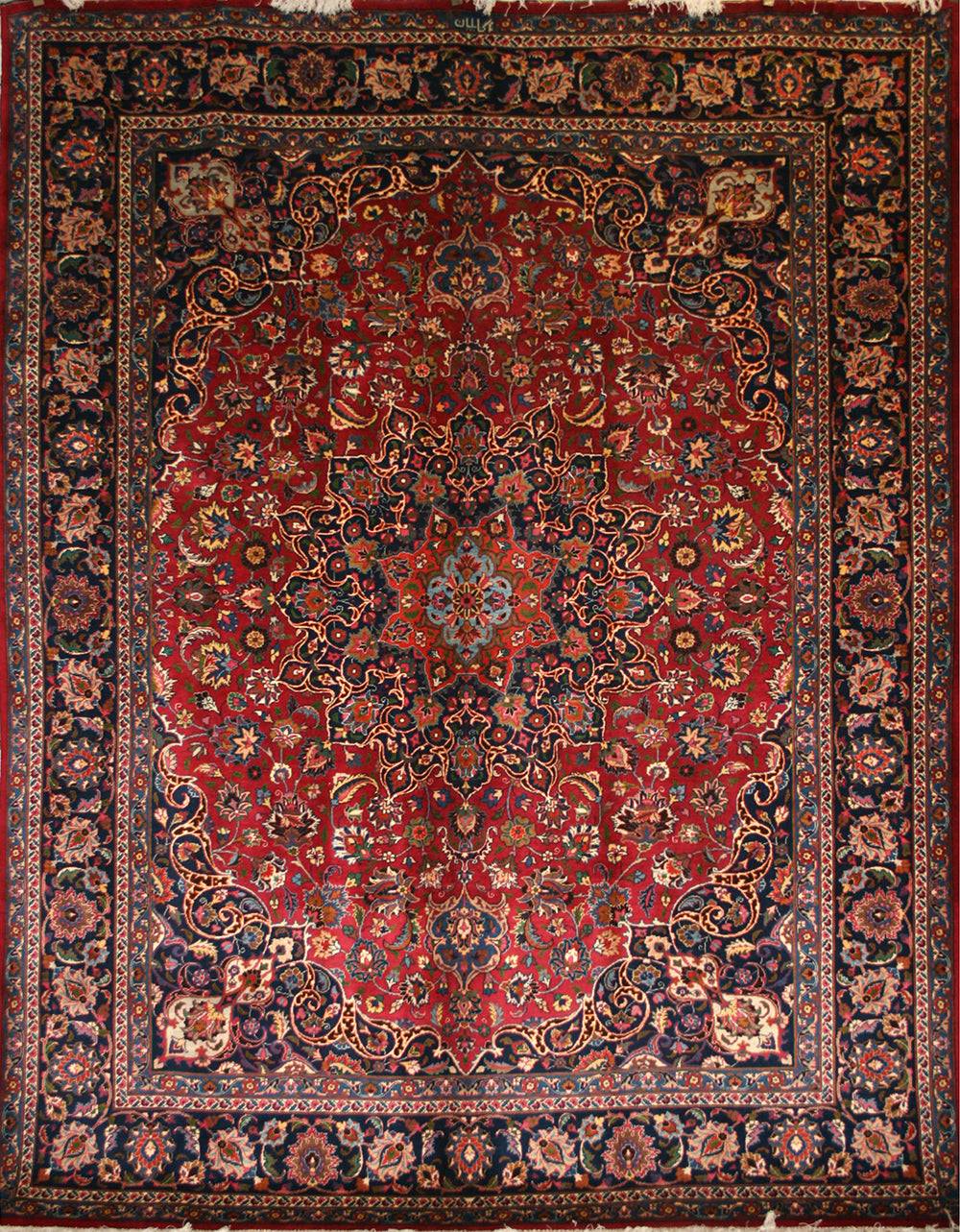
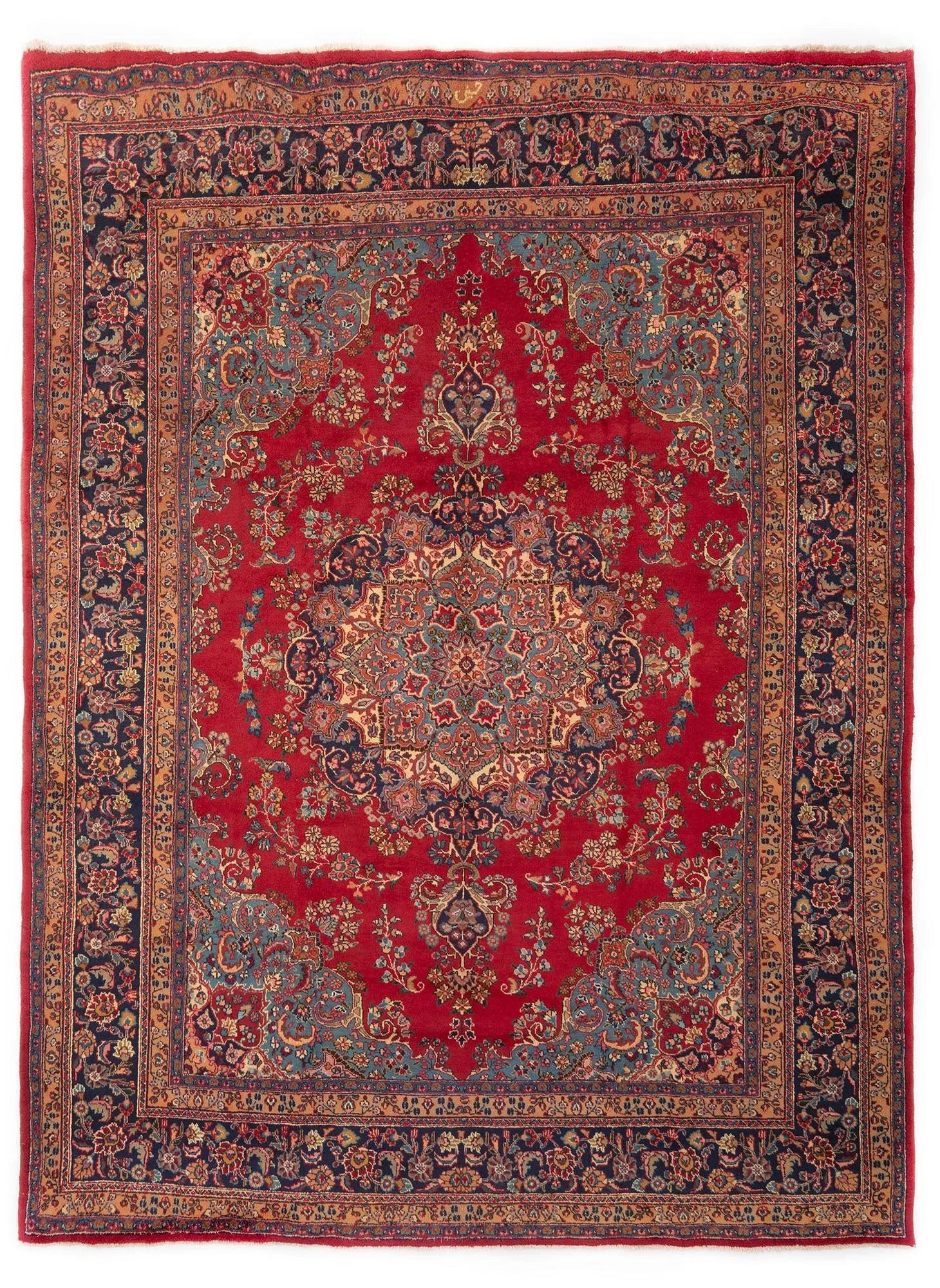
North East Iran, home to the historic city of Mashad, is a significant hub for rug weaving. The rugs from this region, known for their detailed Islimi or Arabesque motifs and high knot density, are a testament to the region's vibrant culture and deep religious roots.
-
Quchan (Ghoochan) Rug Guide