Sarouk Rug History & Origin Guide
Sarouk rugs belong to the central Persian weaving tradition around Arak, formerly Sultanabad, in what is now Markazi Province. The name is most closely associated with the village of Sarouk, or Saruq, but in the rug trade it also describes a wider family of carpets woven in and around the Arak and Farahan districts.

Their reputation rests on a particular combination of qualities: firm construction, elegant floral drawing, dense wool and a composed Persian character. A good Sarouk does not usually have the architectural boldness of a Heriz or the courtly precision of a fine Isfahan. Its appeal is quieter, built around balance, substance and ornamental depth.
Sarouk is also a useful reminder that rug origins are rarely as simple as one town producing one fixed design. Traditional Sarouks, Farahan or Feraghan Sarouks, American Sarouks, Mohajeran Sarouks and related Arak-region carpets each sit within the same broader weaving world, but they can differ noticeably in colour, layout, age and market character.
Where Sarouk Rugs Come From
Sarouk rugs come from the Arak region of central-western Iran. Arak was historically known as Sultanabad, a name still important in the rug trade, and became one of the major Persian carpet-producing and trading centres of the late 19th and early 20th centuries.
The village of Sarouk lies north of Arak, within a wider weaving landscape that includes Farahan, Mahal, Mohajeran and other nearby towns and villages. This is why Sarouk should not be understood only as the output of one small place. It is better seen as part of a regional carpet tradition centred on Arak, with surrounding weaving districts contributing their own qualities.
The region sits between several important Persian weaving influences. It does not have the same urban court identity as Kashan or Isfahan, nor the strong north-western geometry of Heriz. Sarouk occupies a middle position: formal enough to carry classical Persian floral designs, but often more substantial and district-made in feeling than the finest city workshop carpets.
The History of Sarouk Rugs
The Sarouk rugs most familiar to collectors and buyers today are especially associated with the late 19th and early 20th centuries. This was a period of major growth in Persian carpet exports, when European and American demand strongly shaped production in many weaving centres.
Arak, then Sultanabad, became an important organising centre for this trade. Carpets from the wider region were commissioned, woven, finished and exported through commercial networks that connected local weaving with international interiors. This export context did not create Sarouk weaving from nothing, but it did influence the sizes, colours and decorative styles that became popular.
Older Sarouk and Farahan Sarouk rugs from the 19th century are often admired for their refinement, restraint and central Persian elegance. They may show medallion layouts, Herati-derived patterns, delicate vine work, palmettes and a more mature palette than many later export pieces.
By the early 20th century, Sarouk also became especially successful in the American market. These American Sarouks are an important subtype, but they should not be treated as the normal or original form of Sarouk weaving. They are a later export-market development, usually associated with red, rose or salmon fields, dense floral decoration and designs shaped strongly by Western taste.
How Sarouk Rugs Are Made
Classic Sarouk rugs are hand-knotted, usually with a wool pile on a cotton foundation. They are generally firm and substantial, with a dense surface and a handle that feels settled rather than loose or floppy.
The wool is one of the attractions of better Sarouk rugs. Older examples can have a rich, resilient pile that takes colour well and gives the design a pleasing depth. This does not mean every Sarouk should be described as exceptional, but good pieces are rightly valued for their material presence.
Sarouk rugs are often more finely woven than many coarser village carpets, though they are not usually judged by knot count alone. Quality is better assessed through the balance of the design, the clarity of the drawing, the wool, the colour, the condition of the foundation, and the way the rug lies on the floor.
Most Sarouks are wool carpets rather than silk carpets. Silk or part-silk examples may exist within the wider Persian market, but silk is not the defining feature of the Sarouk tradition. The classic Sarouk is valued for wool, structure, formal floral drawing and decorative composure.
Patterns and Motifs in Sarouk Rugs
Sarouk design is usually floral, formal and curvilinear. Many examples use central medallions, corner pieces, scrolling vines, palmettes, rosettes, flowerheads and leafy sprays. Others use all-over floral arrangements without a dominant central medallion.
This is one reason Sarouk rugs are sometimes confused with Kashan rugs. Both traditions can use medallion-and-corner layouts, ivory or red fields, dark blue borders, scrolling vines and elegant floral ornament. The difference is often found in the drawing and handle rather than in the basic layout. Kashan rugs often have a more polished city-workshop precision, while Sarouks can feel denser, fuller and more substantial.
Traditional Sarouks often have a composed, formal character, but not always the same crisp courtly refinement associated with Kashan or Isfahan. Their floral ornament tends to feel generous and slightly weightier, with a strong central Persian identity.
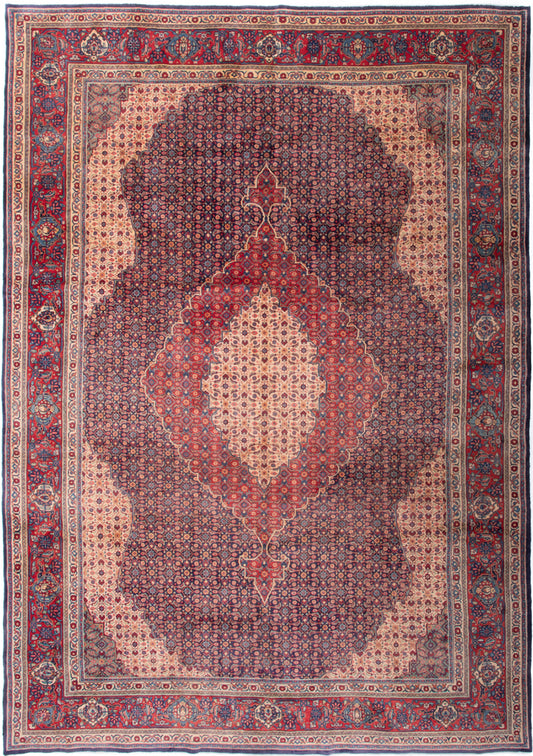
Farahan or Feraghan Sarouks may show a more spacious and antique character, often with medallion designs, Herati-related motifs, elegant floral detail and a more restrained rhythm. American Sarouks, by contrast, are often recognised by dense all-over floral sprays on red, rose or salmon fields.
Colours and Dyes
Sarouk colours vary by age, type and market period. Traditional examples may use madder red, deep blue, ivory, rose, soft green, camel, walnut, pink, terracotta and warm brown. The best palettes are not merely colourful; they give the design depth, order and atmosphere.
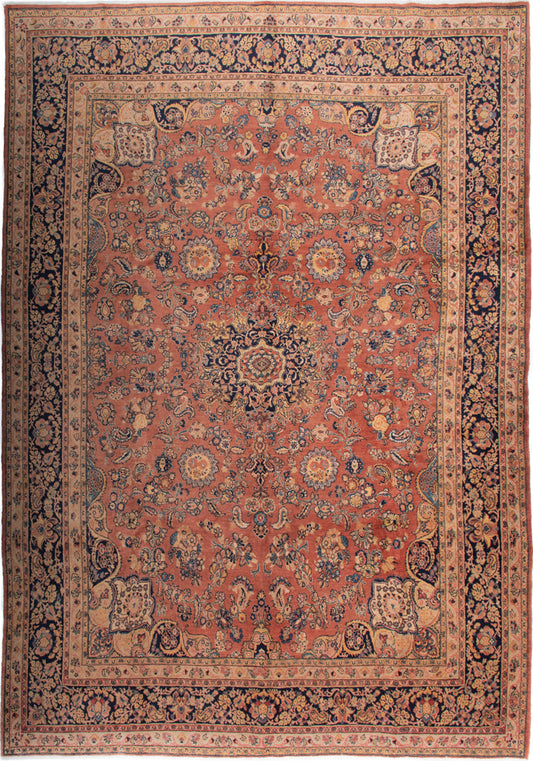
Farahan or Feraghan Sarouks are often associated with an older and more earthy central Persian palette. Terracotta, madder, rust, indigo, soft green, camel, ivory and walnut tones are all commonly seen. Many have a more architectural relationship between field, medallion and border than the later American export pieces.
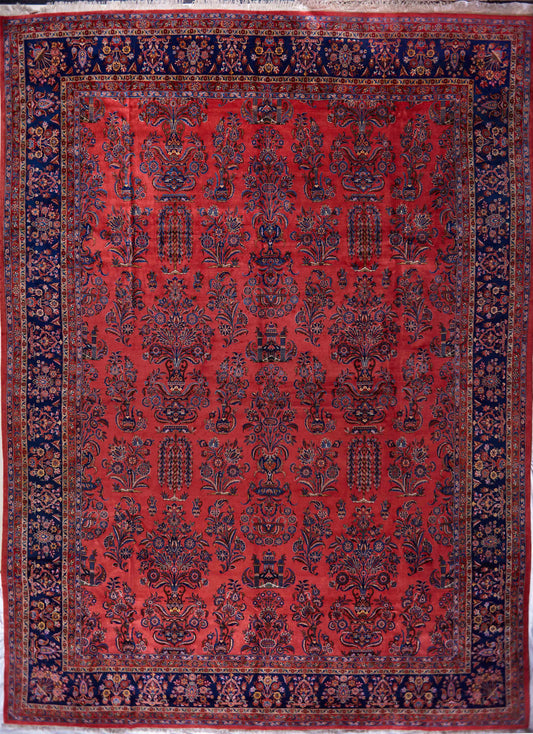
American Sarouks are strongly associated with red, rose and salmon fields, often with dark blue borders and dense floral decoration. Some examples were also recoloured or “painted” after export to deepen or adjust the field colour for American taste. This history is part of the type, and should be understood rather than hidden.
Older Sarouks often mellow attractively with age. Reds may soften towards brick, rose or terracotta, blues may become deeper and quieter, and ivory areas can take on warmth. As with any antique or semi-antique rug, colour should be considered alongside condition, wear, restoration and overall balance.
Types of Sarouk Rugs
Sarouk is the core name, but several important types sit within or alongside the wider tradition. These distinctions are useful, provided they are not treated too rigidly. Individual rugs vary, and trade names have not always been used consistently.
Traditional Sarouk Rugs
Traditional Sarouks form the main body of the type. They are central Persian wool rugs from the Arak/Sarouk weaving area, usually floral, formal and firmly woven. They may have central medallions or all-over designs, and their character can range from refined and elegant to heavier and more decorative.
Farahan or Feraghan Sarouk Rugs
Farahan Sarouks, also written Feraghan Sarouks, are generally associated with older, finer and more collectible central Persian weaving from the Farahan area. They often have medallion layouts, Herati-related designs, elegant floral drawing and a more restrained antique palette.
The classic Farahan Sarouk look is often terracotta, indigo, madder, soft green, camel, ivory and walnut rather than the rose-red look of later American Sarouks. These rugs can feel more spacious, architectural and antique in character, with a quality that appeals strongly to collectors.
American Sarouk Rugs
American Sarouks are a later export-market development, especially associated with early 20th-century demand in the United States. They are often red, rose or salmon in the field, with dark blue borders and dense all-over floral sprays.
They became commercially important and remain very recognisable, but they are not the standard Sarouk type. They represent one particular market-shaped chapter within the wider Sarouk story.
Mohajeran Sarouk and Related Arak Rugs
Mohajeran Sarouks are often regarded as among the finer Sarouk-related pieces, with good wool, elegant drawing and balanced colour. Mahal, Sultanabad and other Arak-region rugs are also related, though they should not be treated as interchangeable with Sarouk. Sultanabad and Mahal pieces often have their own decorative scale and drawing style, sometimes more open or village-like than formal Sarouk weaving.
How to Recognise a Sarouk Rug
A Sarouk rug is often recognised by its floral design language, firm handle and central Persian character. Look for curving vines, palmettes, rosettes, flowerheads, balanced borders and a design that feels ordered rather than tribal or sharply geometric.
Traditional Sarouks may have a central medallion and corner design, sometimes making them resemble Kashan rugs at first glance. The Sarouk character usually becomes clearer in the density of the drawing, the substance of the weave and the slightly fuller, less polished feel of the ornament.
Farahan Sarouks often have a more antique and restrained appearance, with terracotta, indigo and softer secondary colours, spacious medallion structures or fine repeating designs. American Sarouks are more likely to have red, rose or salmon fields with dense floral sprays and a strong decorative export-market character.
The handle can also help. Sarouk rugs often feel firm and substantial, with wool pile on a cotton foundation. They are usually more formal than tribal rugs, less angular than Heriz rugs, and often less crisp or courtly than the finest Kashan or Isfahan workshop pieces.
Sarouk Rugs and Kashan Rugs
Sarouk and Kashan rugs are easy to compare because both belong to the wider Persian floral tradition. Both may use central medallions, formal corner pieces, scrolling vines, palmettes, rosettes, ivory fields and dark blue borders.
Kashan rugs are usually more strongly associated with city workshop weaving and often have a polished, precise and highly controlled design language. Sarouks can be refined, but they often feel denser, more substantial and more rooted in town and district weaving around Arak.
In practical terms, a Kashan may feel more courtly, while a Sarouk may feel more grounded. The distinction is not always obvious from a single photograph, especially where a fine Sarouk has an ivory field and medallion design. Construction, handle, back, wool, colour and provenance all help support the attribution.
How Sarouk Rugs Work in Interiors
Sarouk rugs are particularly effective in rooms that need warmth, order and traditional Persian character without becoming overly assertive. They suit sitting rooms, dining rooms, studies, bedrooms and formal reception spaces, especially where the furniture has some weight and the room benefits from pattern.
A medallion Sarouk can bring symmetry and focus to a room. It works well beneath a central seating arrangement, in a study with timber furniture, or in a dining room where the rug provides a composed foundation beneath the table.
Farahan Sarouks often suit period homes, libraries, drawing rooms and more collected interiors. Their terracotta, indigo and softened antique tones can work beautifully with dark wood, old leather, plaster walls, framed pictures and layered textiles.

American Sarouks tend to suit more traditional decorative interiors. Their rose and red fields can feel warm and hospitable, especially with antiques, mahogany, walnut, leather and brass, but they need to be balanced carefully so the room does not become too heavy.
In more contemporary rooms, a Sarouk can soften clean lines and add history. The key is restraint elsewhere: plain upholstery, good lighting, natural wood, aged metal and quieter walls can give the rug room to speak without making the space feel over-furnished.
Why Sarouk Rugs Remain Valued
Sarouk rugs remain valued because they combine decorative usefulness with a strong and recognisable Persian identity. They are formal but not austere, richly patterned but usually well ordered, and substantial enough to feel at home in real domestic interiors.
Their variety is part of their appeal. A Farahan Sarouk may attract attention for its age, restraint and antique central Persian character. A traditional Sarouk may offer balance, wool quality and floral elegance. An American Sarouk may appeal for its decorative warmth and early 20th-century export history.
The best Sarouk rugs are judged by age, wool, colour, drawing, condition and overall presence. Some are collectible antique pieces; others are decorative semi-antique or vintage rugs that continue to work beautifully in homes. A good Sarouk should feel composed, generous and quietly assured.
Explore Sarouk Rugs
Exploring Sarouk rugs through detailed photographs, or in person where possible, is often the best way to understand the differences between traditional Sarouk, Farahan Sarouk, American Sarouk and related Arak-region pieces. Our collection of Sarouk rugs includes handmade examples chosen for their design, condition and individual character, whether intended for a formal room, study, dining room or quieter domestic setting.
Browse Our Current Selection of Sarouk Rugs
-
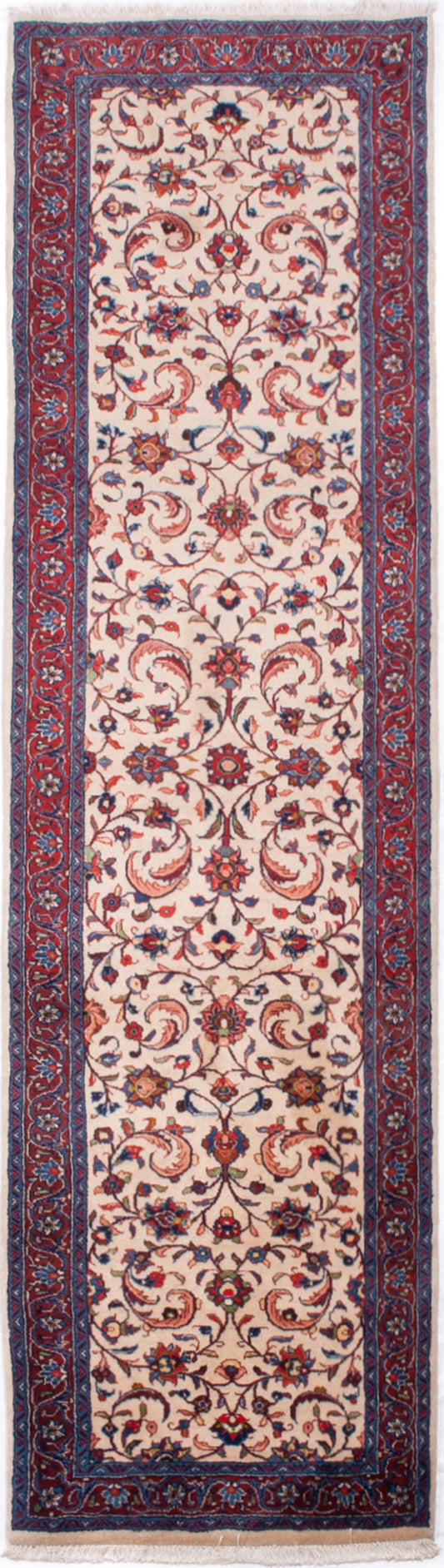
Persian Sarouk Hall Runner Rug
Regular price £1,095Sale price £1,095 Regular priceUnit price per£1,375Sold -
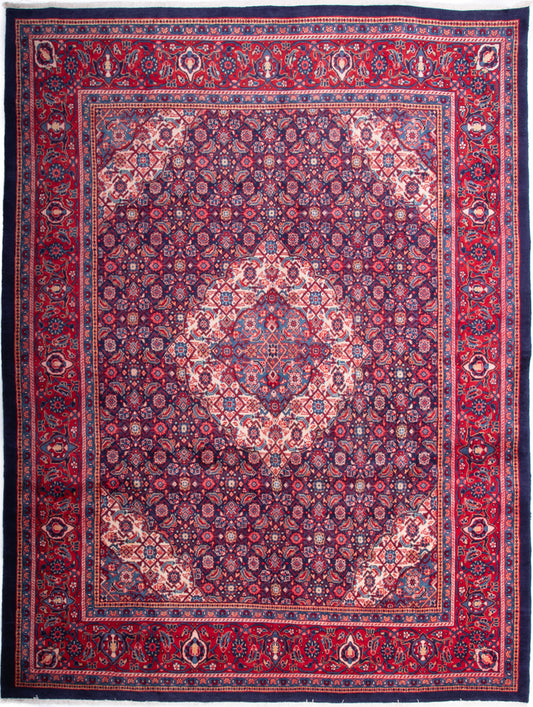
Semi-Antique Persian Sarouk Rug
Regular price £2,545Sale price £2,545 Regular priceUnit price perSold -
 Sold
SoldPersian Sarouk Rug
Regular price £615Sale price £615 Regular priceUnit price per£775Sold -
Semi-Antique Persian Sarouk Rug
Regular price £1,495Sale price £1,495 Regular priceUnit price per -
Persian Sarouk Rug
Regular price £1,075Sale price £1,075 Regular priceUnit price per -
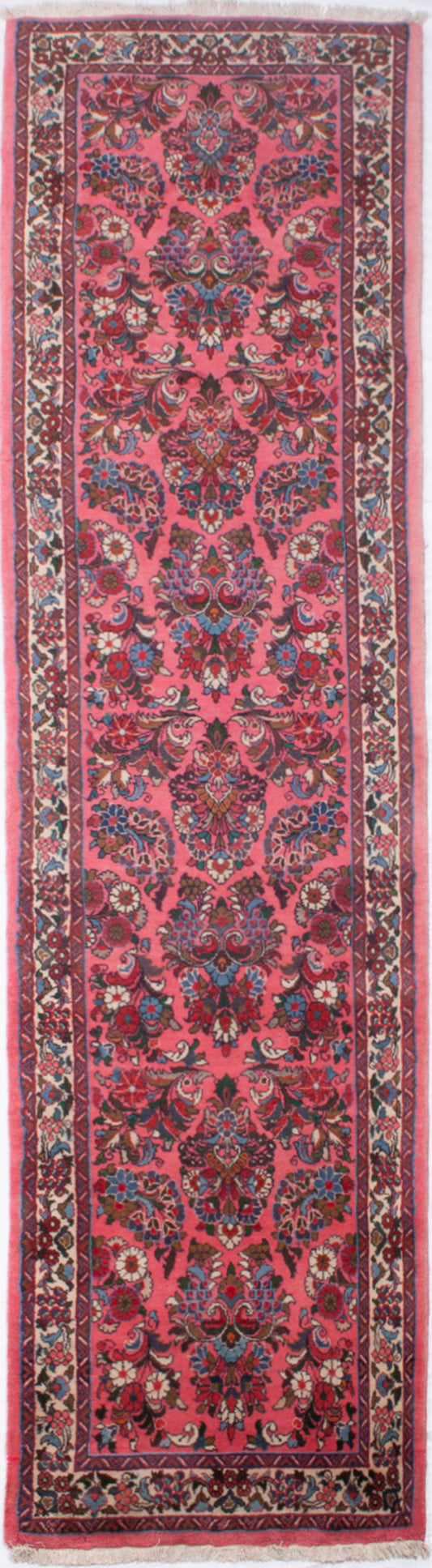 Reduced
Persian Sarouk Hall Runner Rug
Regular price £1,095Sale price £1,095 Regular priceUnit price per£1,325Reduced -
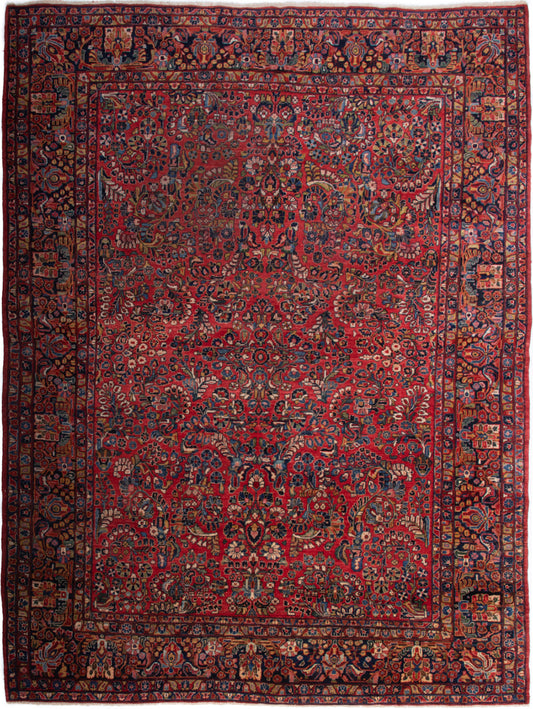
Antique Persian Sarouk Rug
Regular price £6,355Sale price £6,355 Regular priceUnit price per -
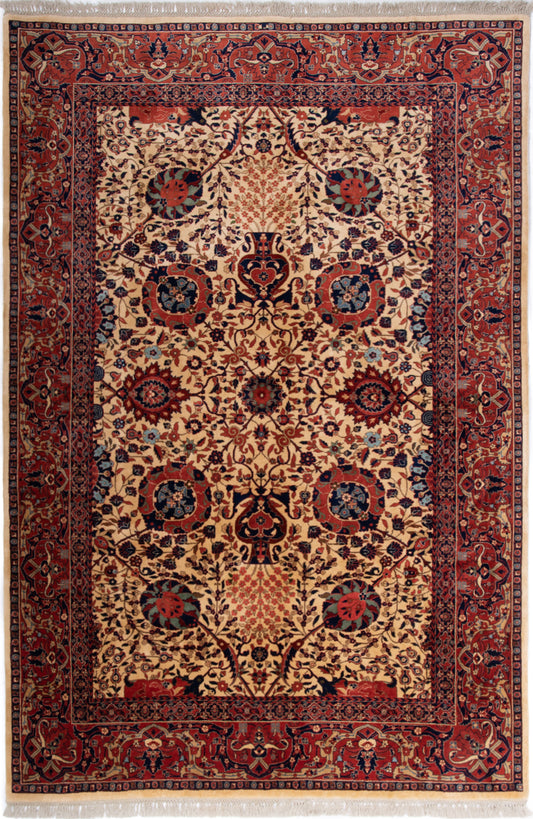
Semi-Antique Persian Farahan Sarouk Rug
Regular price £5,285Sale price £5,285 Regular priceUnit price per -
Semi-Antique Persian Sarouk Rug
Regular price £6,105Sale price £6,105 Regular priceUnit price per -
Antique Persian Sarouk Rug
Regular price £12,725Sale price £12,725 Regular priceUnit price per -
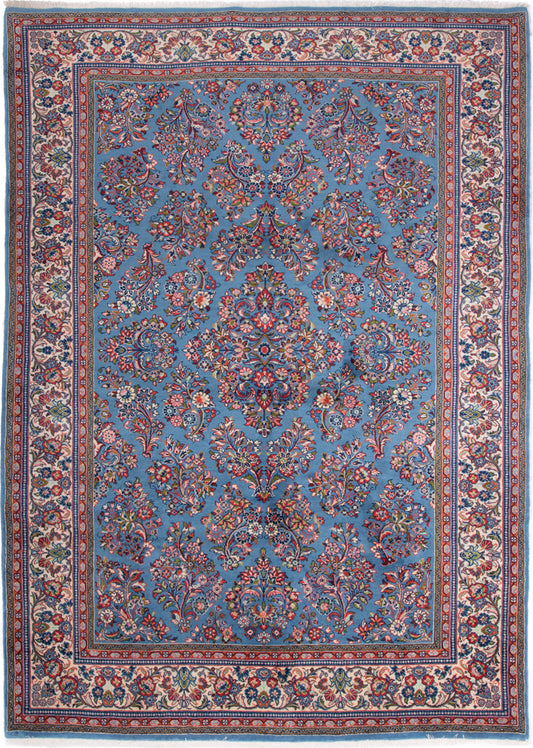 Sold
SoldPersian Sarouk Rug
Regular price £2,545Sale price £2,545 Regular priceUnit price perSold -
Persian Sarouk Rug
Regular price £86,705Sale price £86,705 Regular priceUnit price per