
Discover the Timeless Beauty of Handmade Persian and Oriental Rugs at Little-Persia
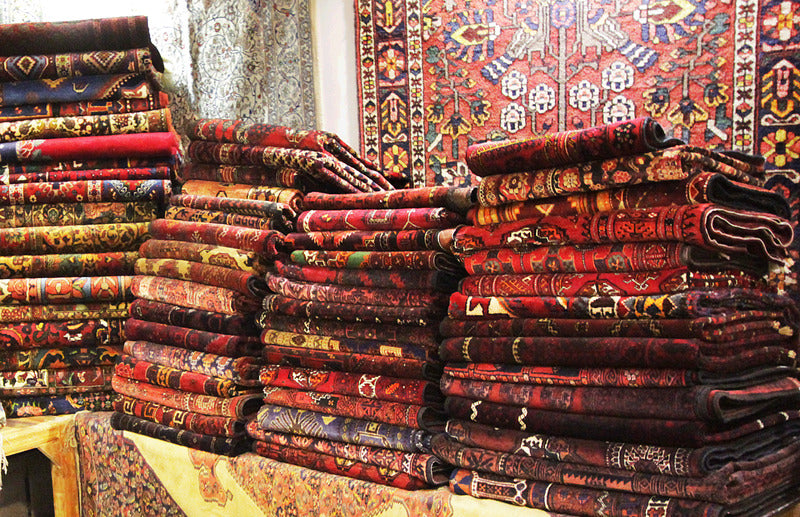
Shop By Design
-
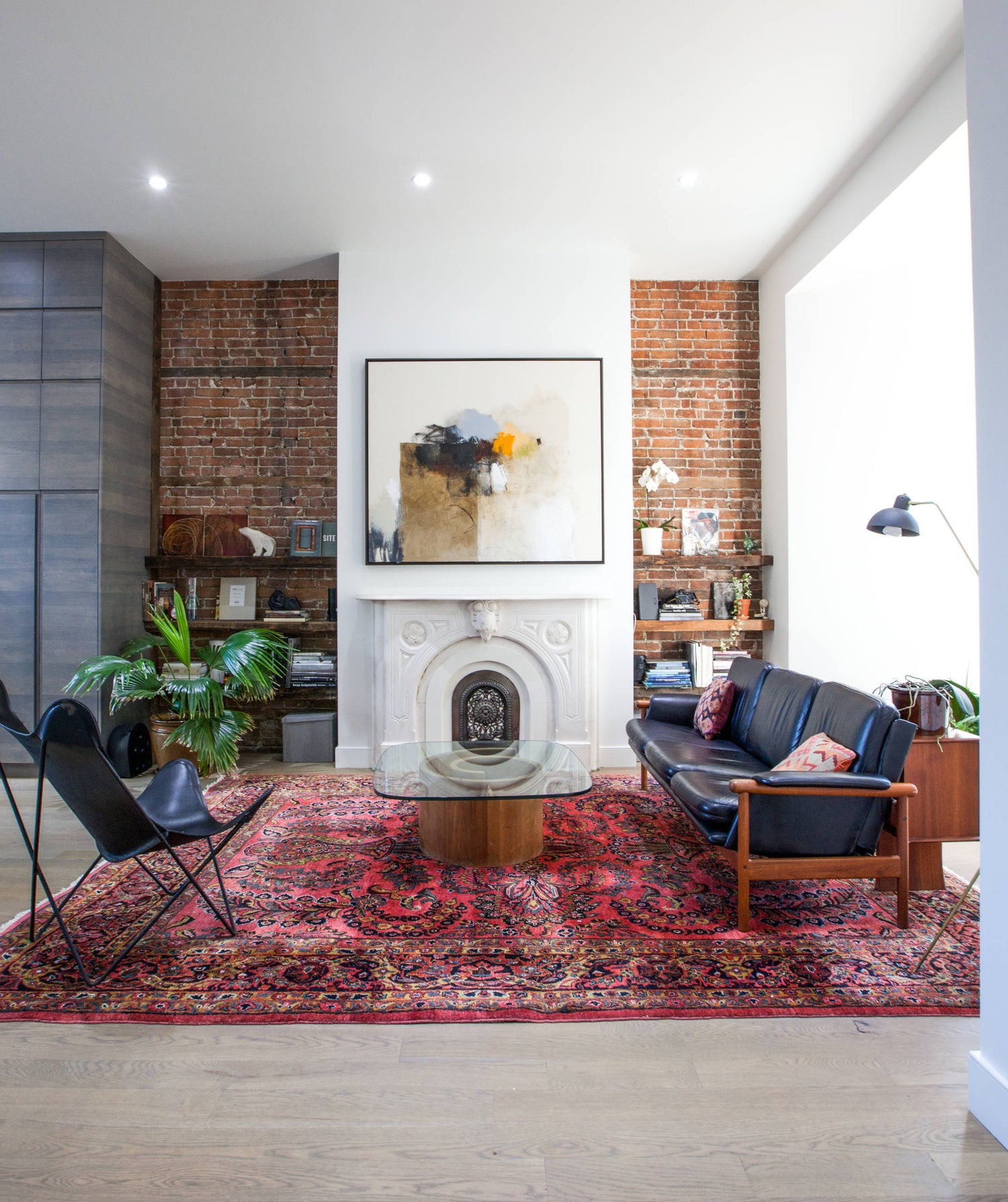
Floral Rugs
Floral rugs are distinguished by their refined botanical motifs, drawing inspiration from...
-
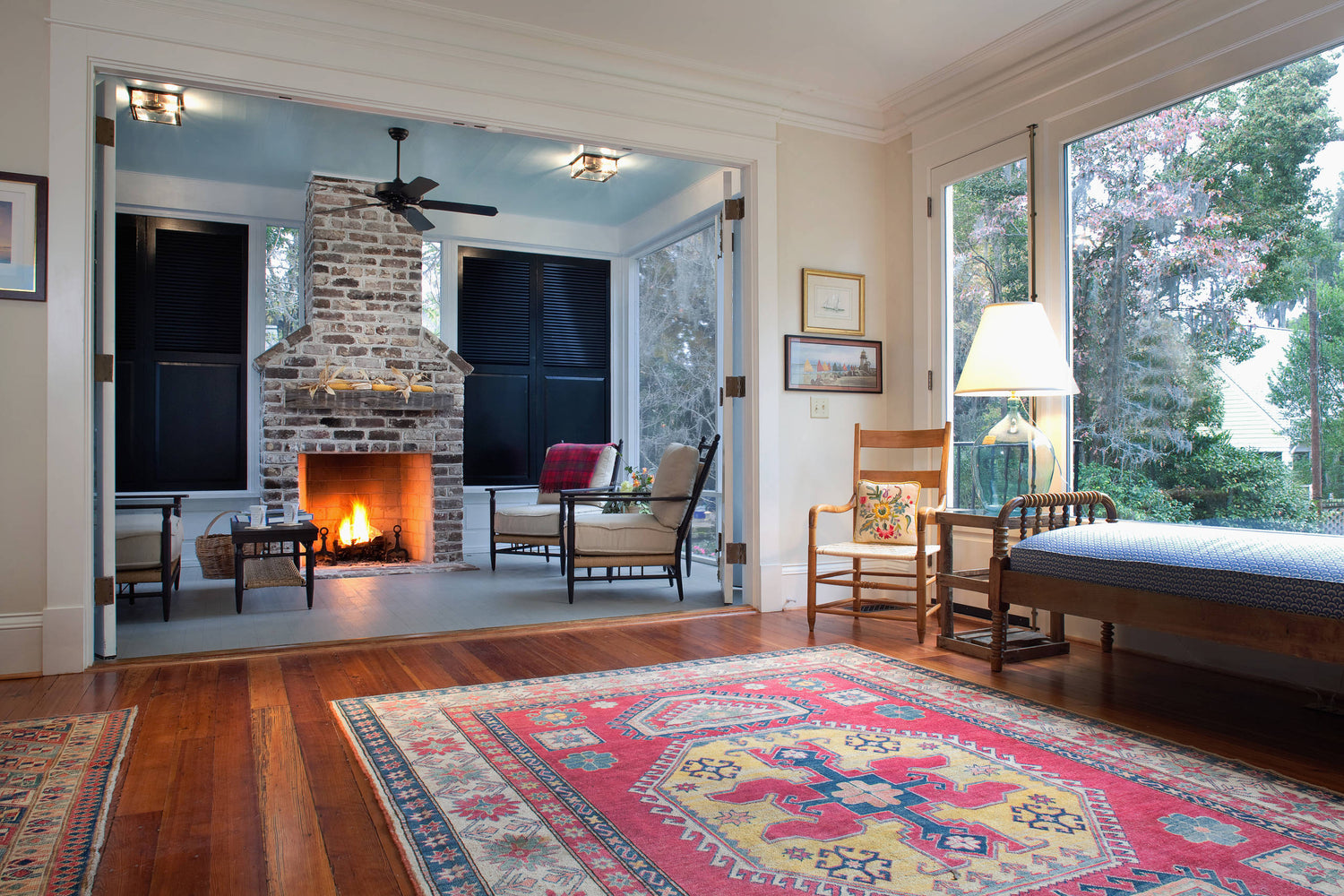
Geometric Rugs
Step into the world of symmetry and precision with our Geometric Rugs...
-
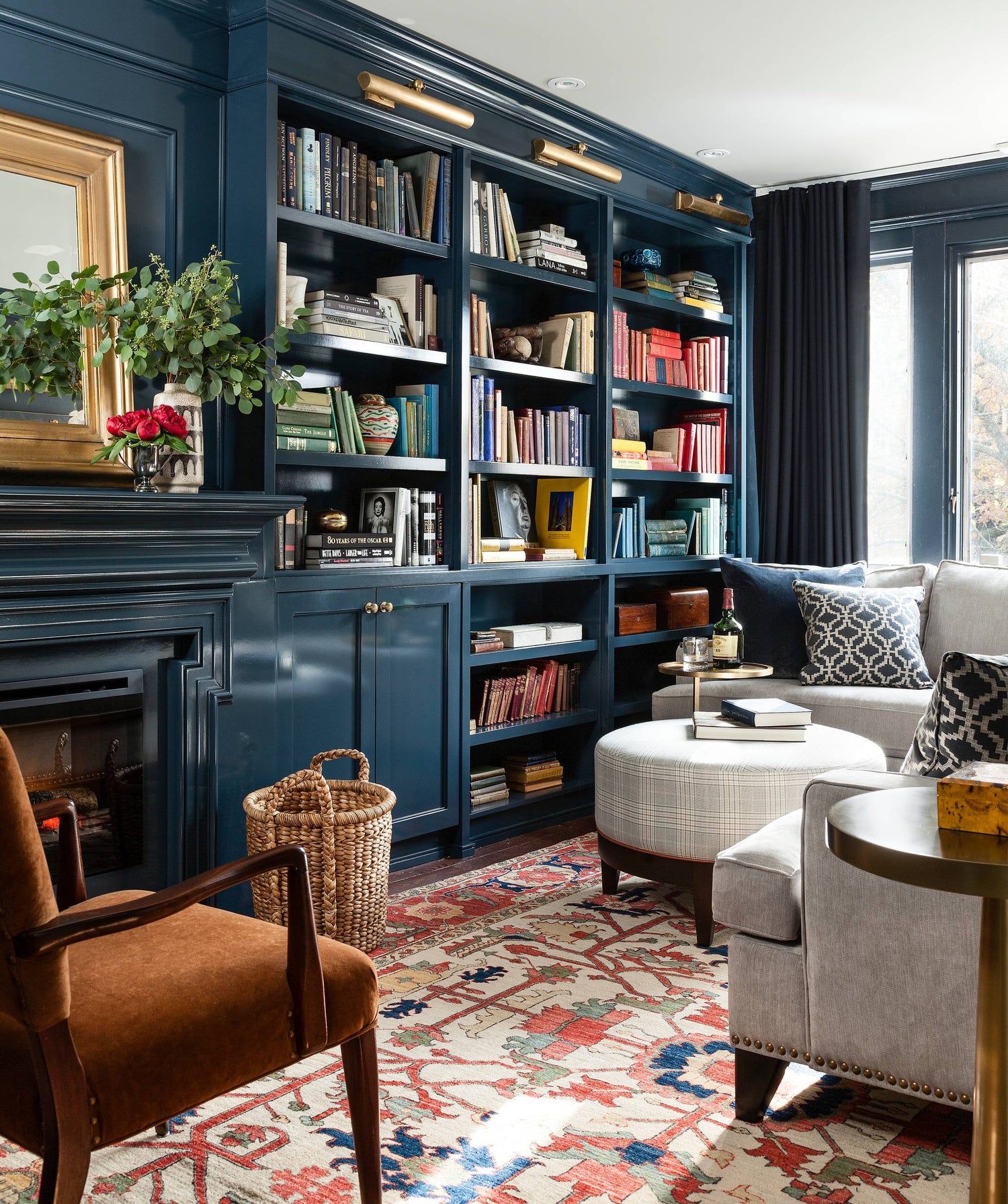
Geo-Floral Rugs
Geo-Floral Rugs bring together the precision of geometric forms and the subtle...



Our Trending Collections
-
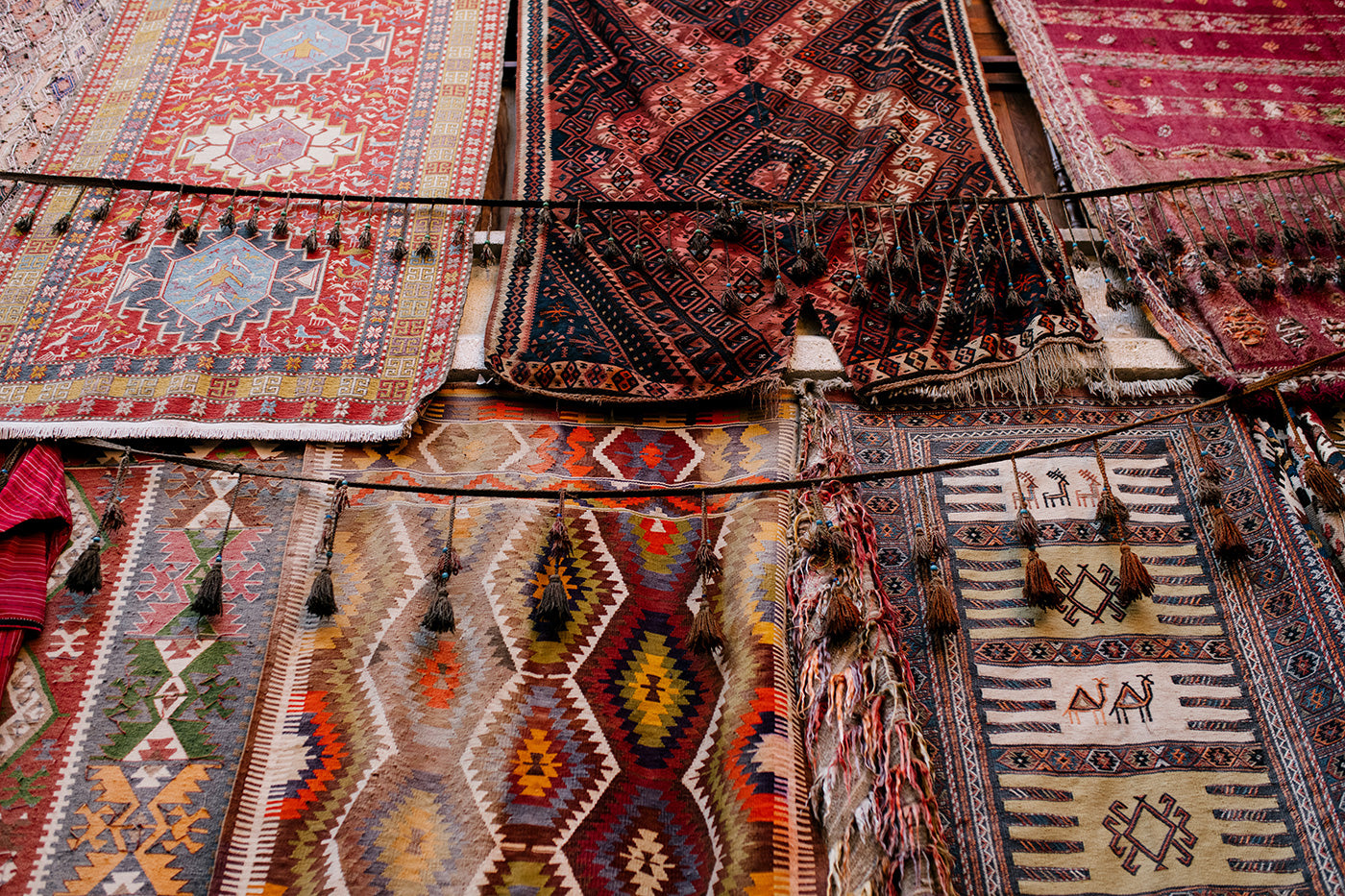
Oriental Rugs
Our Oriental Rugs collection brings together every handmade piece in our range,...
-
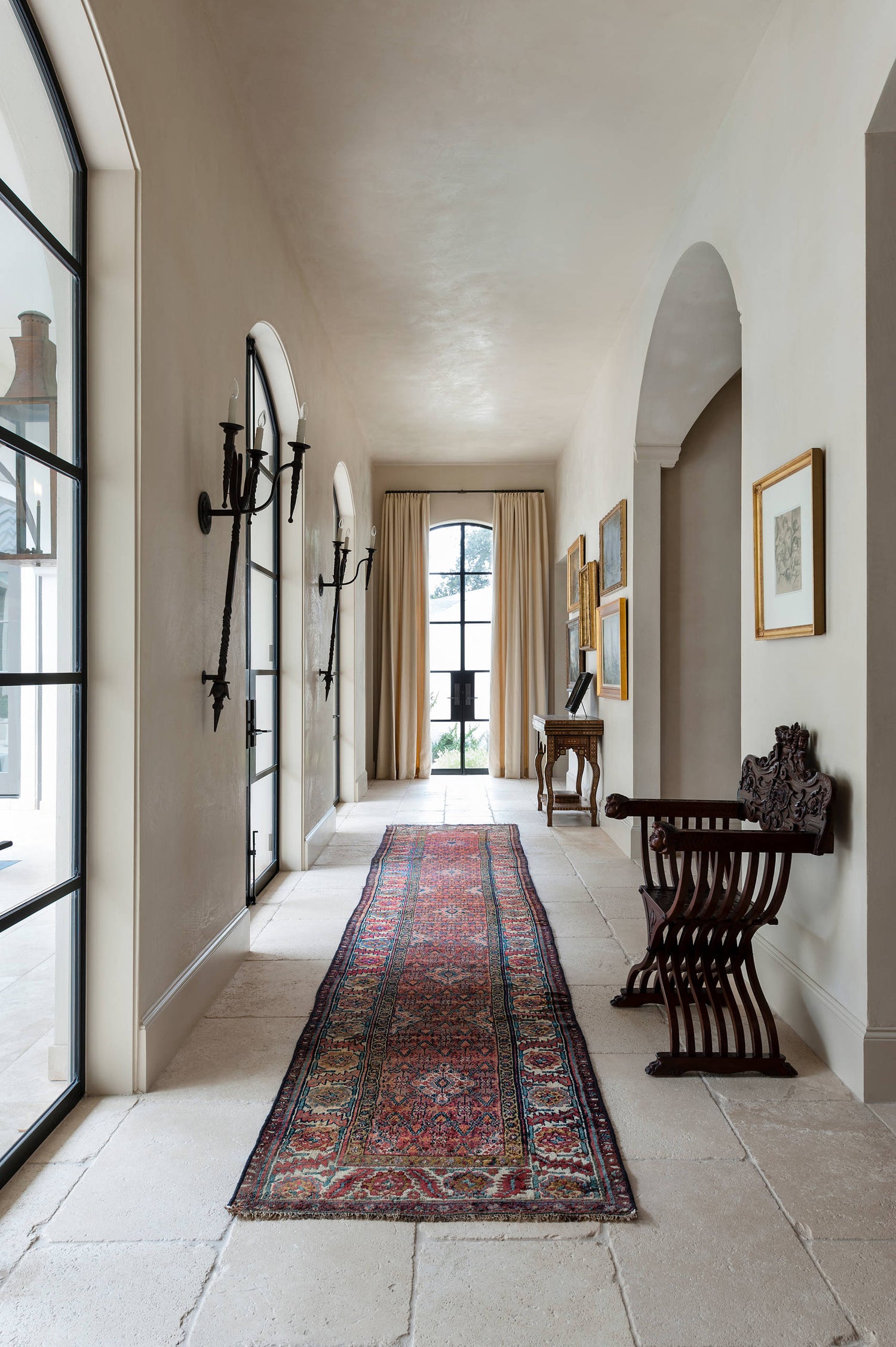
Hall & Stair Runner Rugs
This curated selection of hall runner rugs is designed to complement and...
-
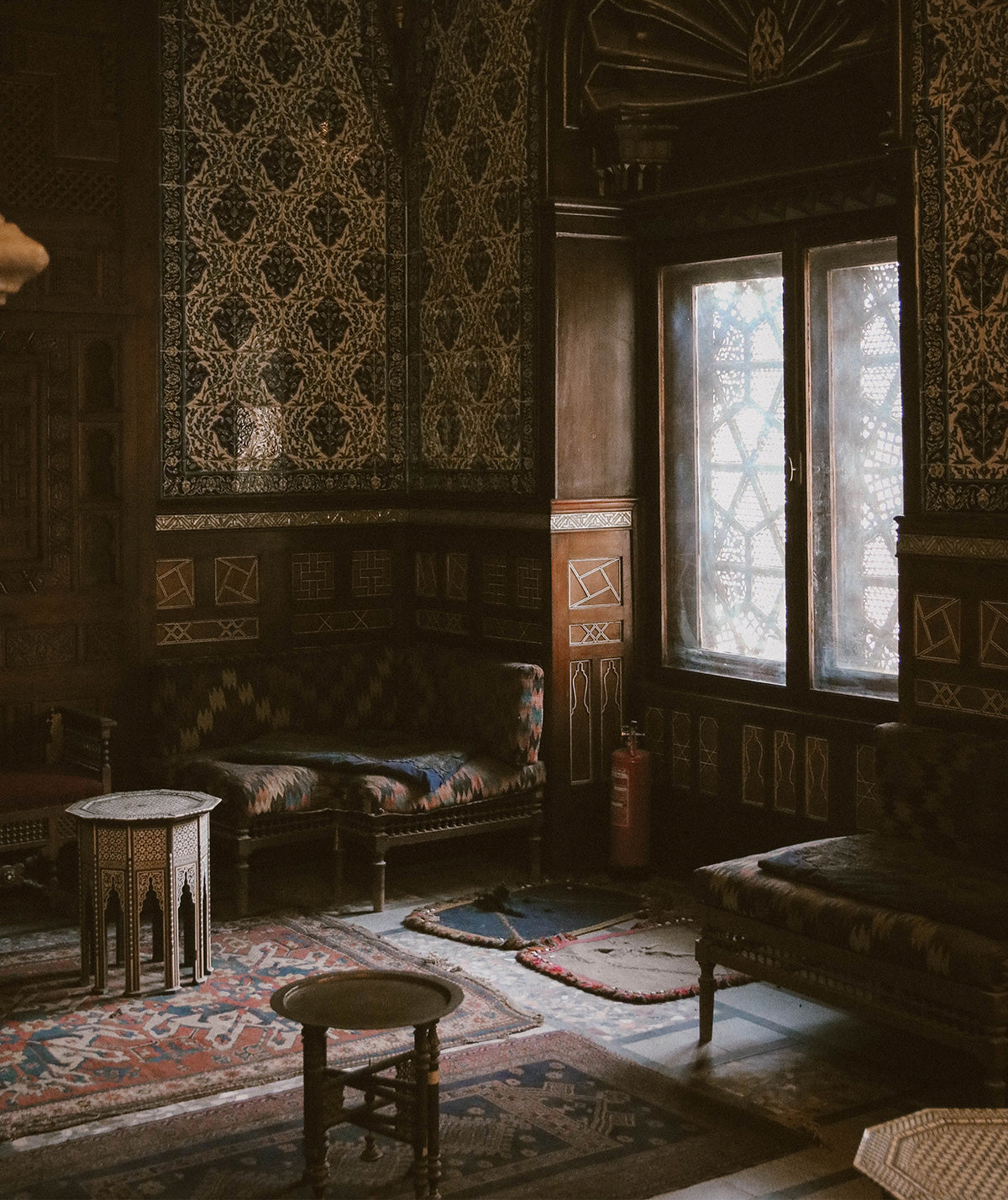
Antique Rugs
Antique rugs offer a glimpse into the artistry and traditions of bygone...
-
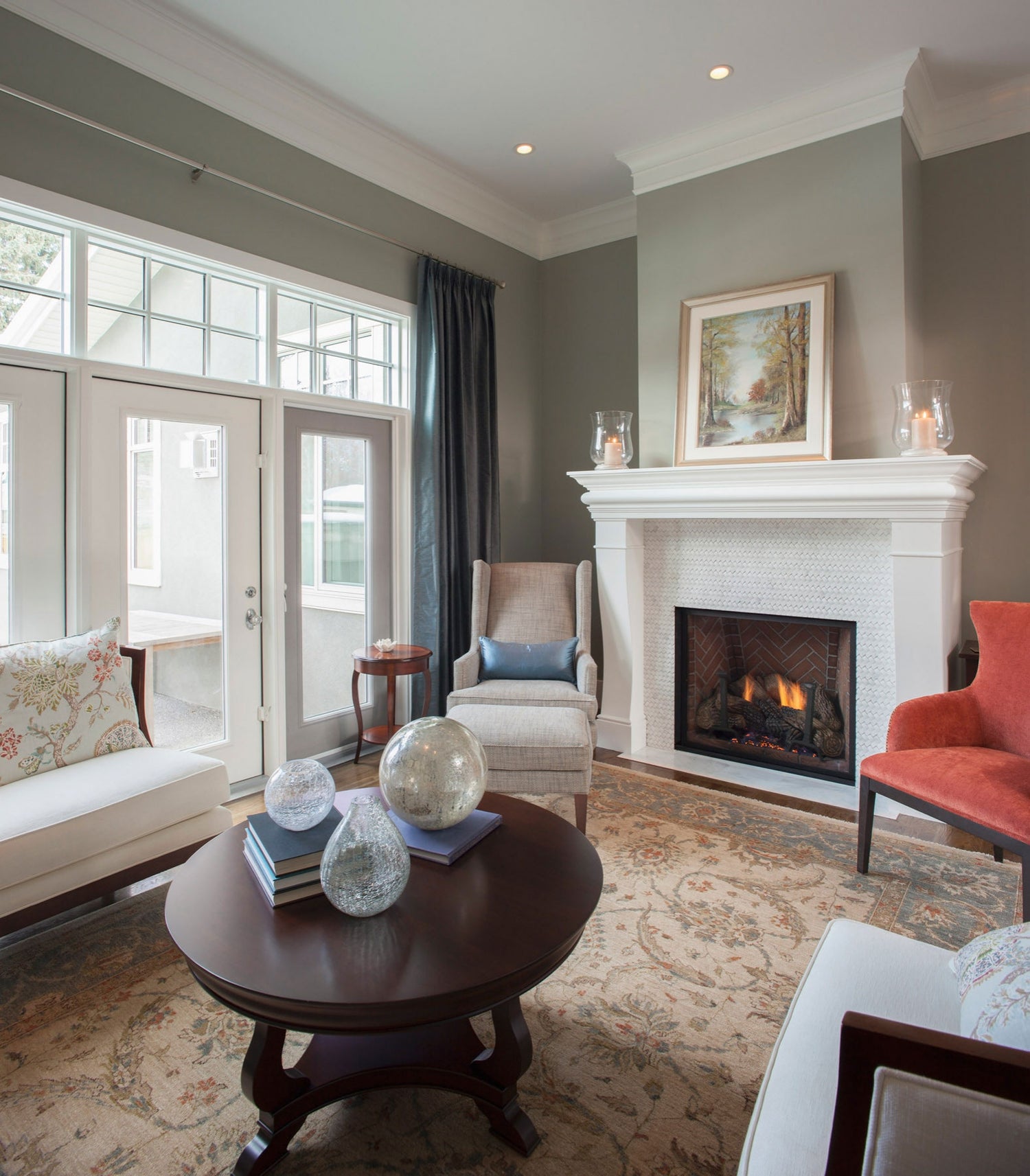
Ziegler Rugs
Ziegler Rugs bring a distinctive blend of Eastern tradition and Western sensibility,...
-
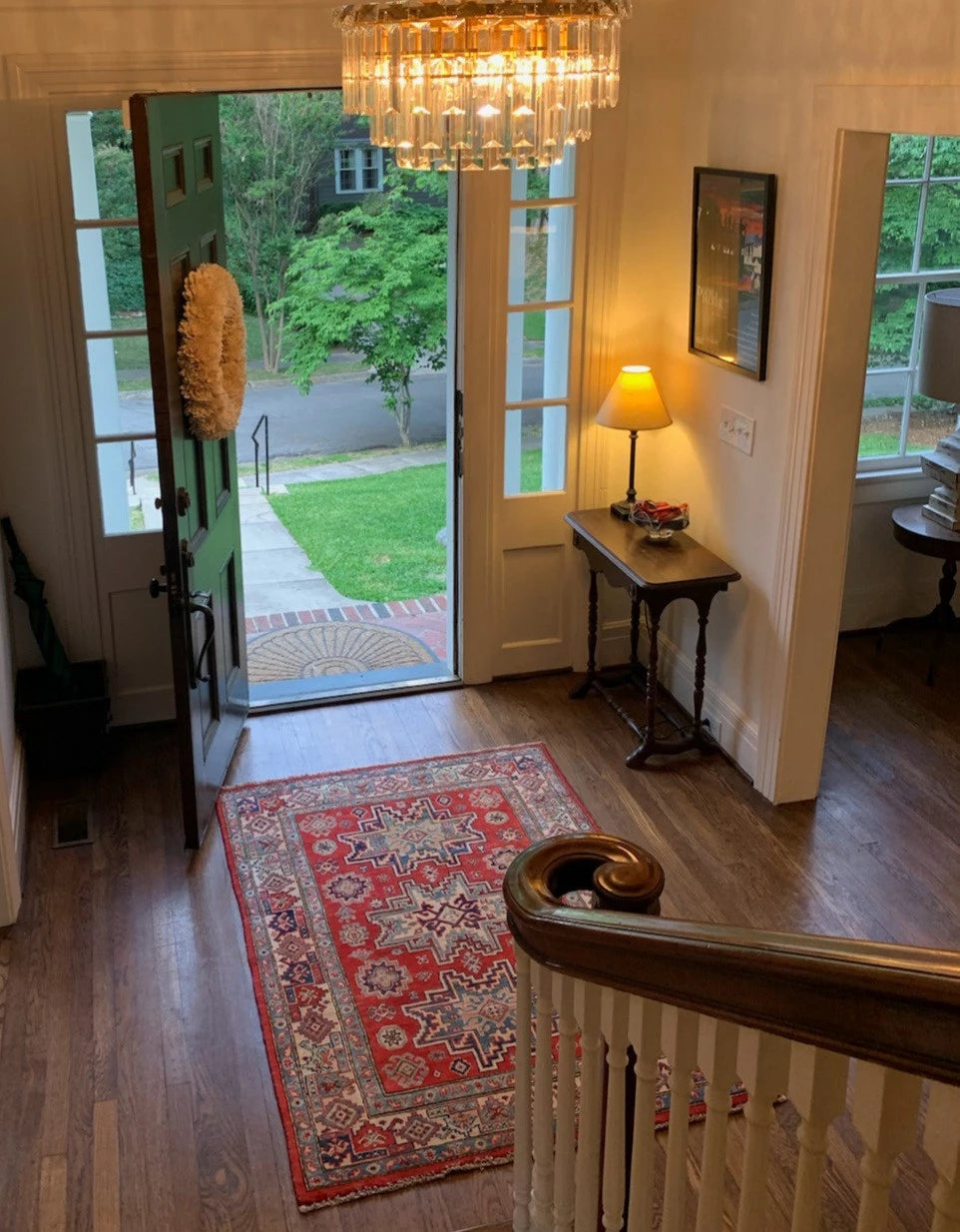
Kazak Rugs
Kazak rugs reflect the rich weaving heritage of the Caucasus, known for...
-
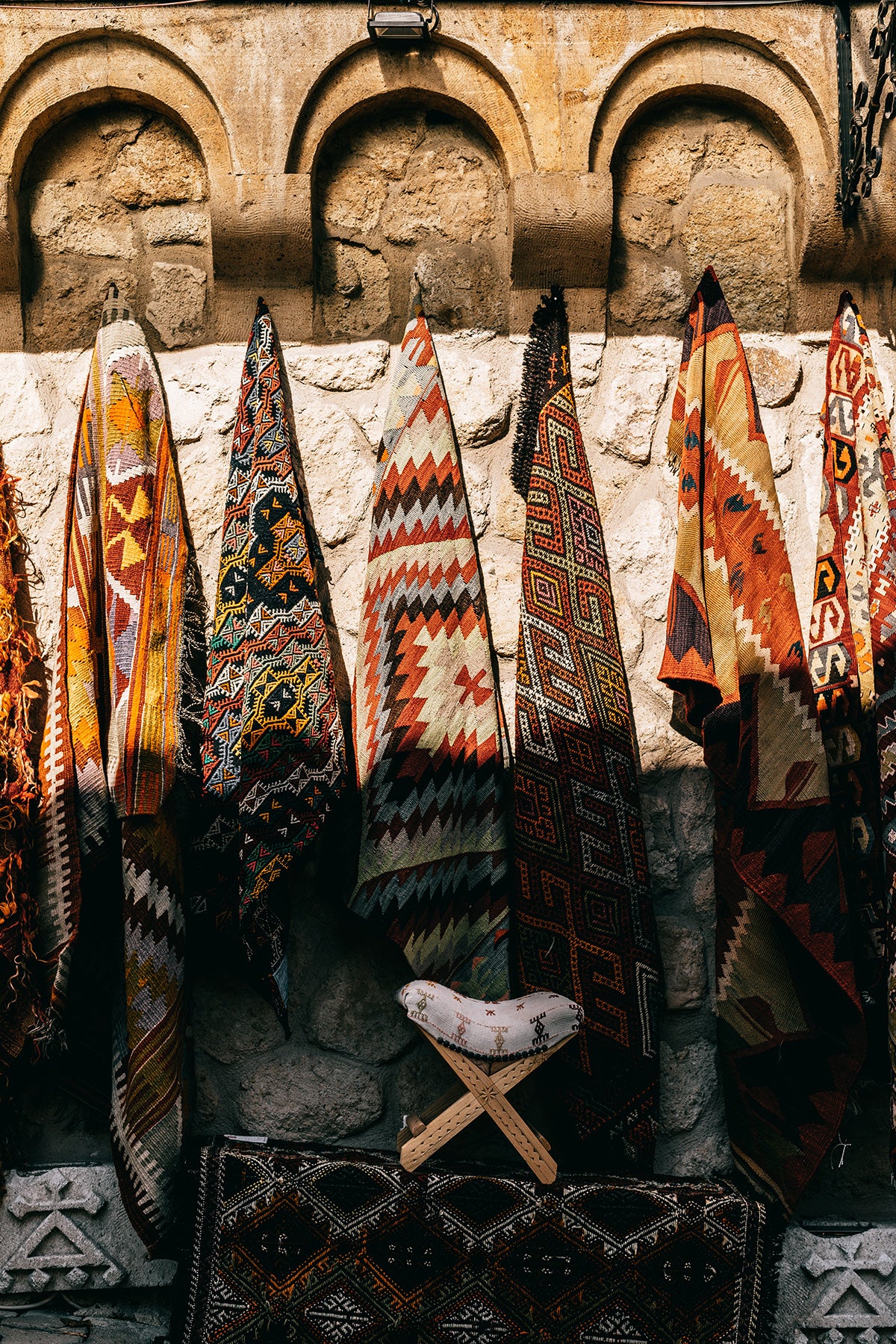
Kilim Rugs
Kilim rugs are distinguished by their flatwoven technique, creating a supple, lightweight...






Explore Our Antique Rugs
-
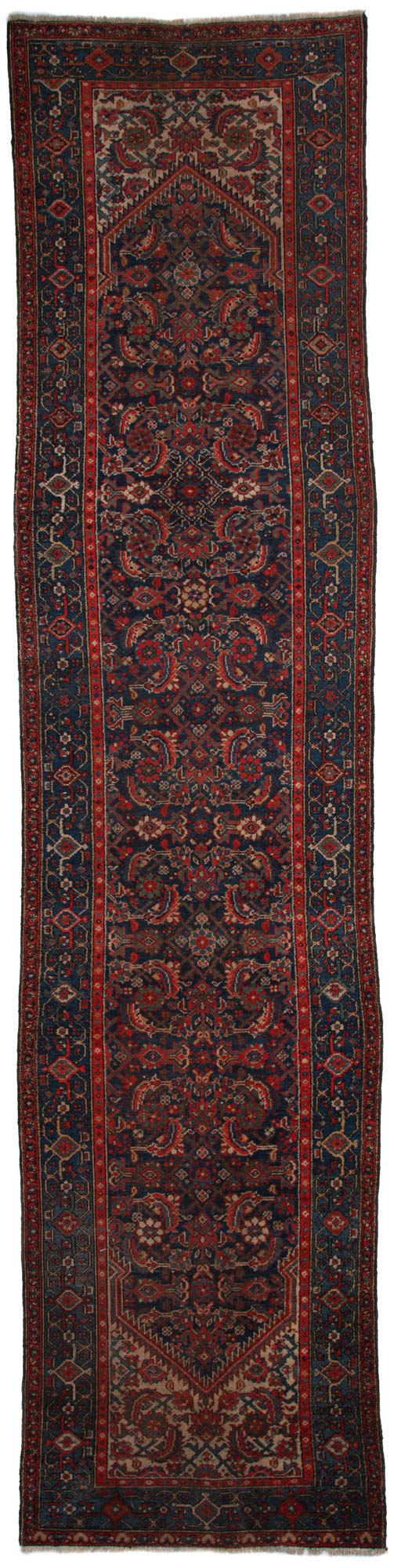
Antique Persian Malayer Runner Rug
Regular price £2,975Sale price £2,975 Regular priceUnit price per -
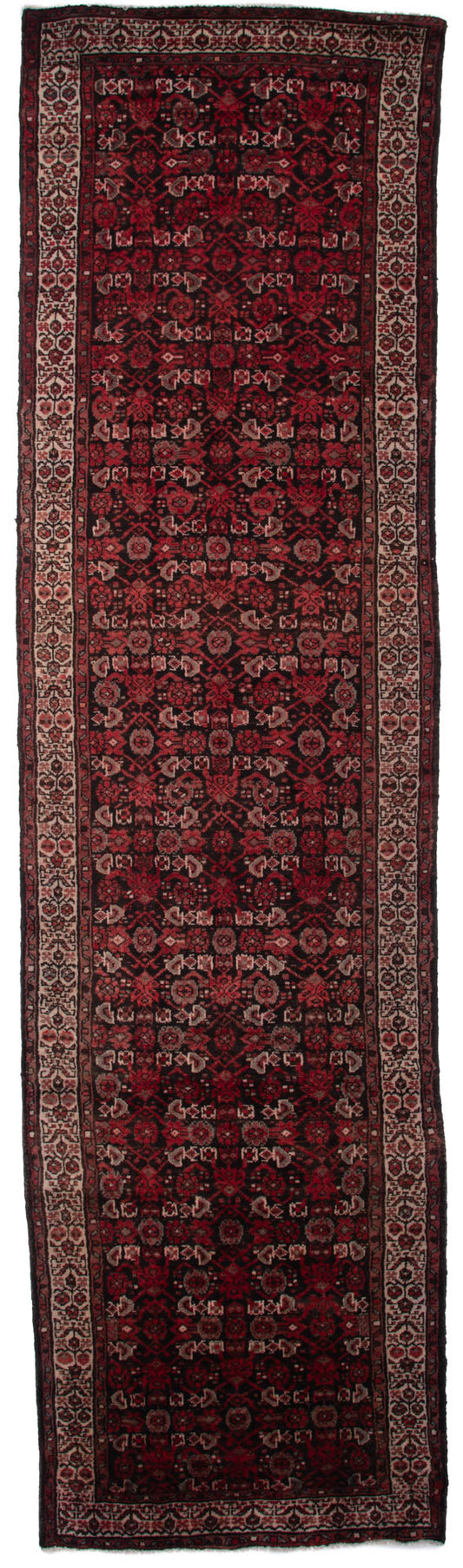
Antique Persian Malayer Runner Rug
Regular price £1,185Sale price £1,185 Regular priceUnit price per -
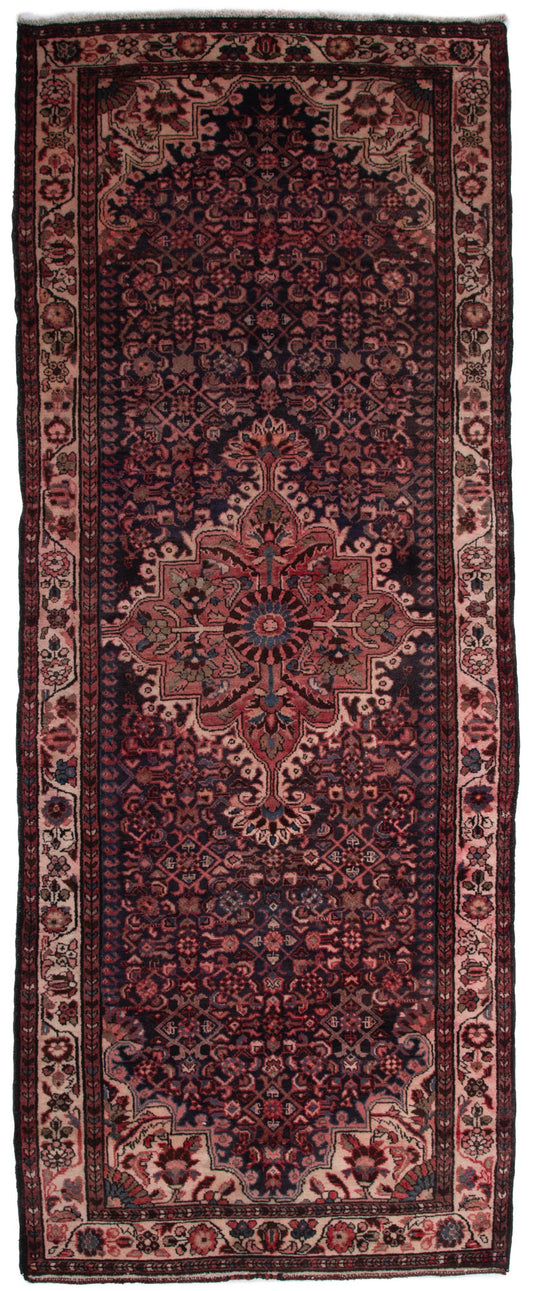
Antique Persian Malayer Runner Rug
Regular price £995Sale price £995 Regular priceUnit price per -
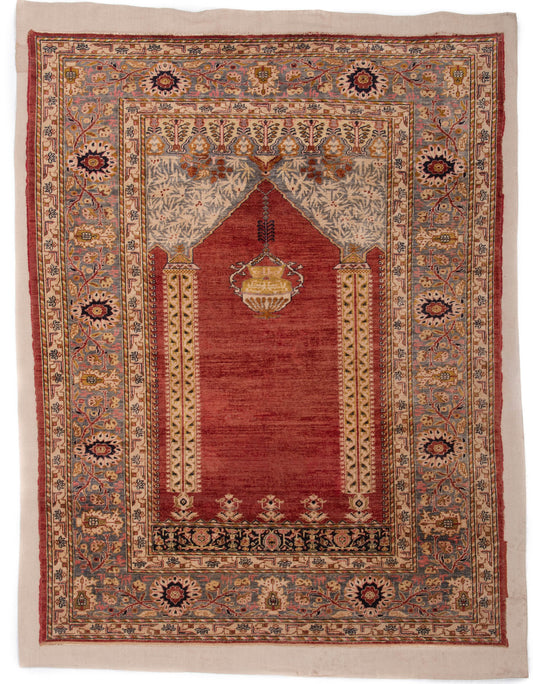
Antique Turkish Silk Ghiordes Rug
Regular price £5,975Sale price £5,975 Regular priceUnit price per

Handmade Rug Encyclopedia
Explore our comprehensive collection of guides, delving into the history, symbolism, and care of handmade rugs through our in-depth guides.
Learn how to assess quality, understand regional styles, and connect with the craftsmanship behind each piece.
Our Journey

Reza Cheshmehdoost
Born in Tehran, Iran in 1962, Reza moved to the UK as a teenager, first studying in England before moving to Scotland to complete his PhD in Computer Science.
His lifelong fascination with Persian and Oriental rugs began with a rug passed down from his late father. That passion eventually led him to open the Little-Persia gallery in Glasgow in 2003, building a collection shaped by decades of knowledge, sourcing and appreciation for handmade rugs.

Ryan Malone
Ryan joined Little-Persia in 2006 while studying Business & Marketing at university.
Combining a longstanding interest in antiques and collectables with his business background, he has helped develop Little-Persia for almost two decades, building extensive knowledge of handmade rugs along the way. Today, he oversees much of the company's marketing, ecommerce and business development.

Grace Fallon
Grace works across Little-Persia's digital marketing, content and online presence, helping to tell the stories behind our rugs and the craftsmanship behind them.
With an eye for design and detail, she helps bring the collection to life across the website, email and social media, introducing Little-Persia to a new generation of rug lovers.

Mohammed 'Dustin' Fatehi
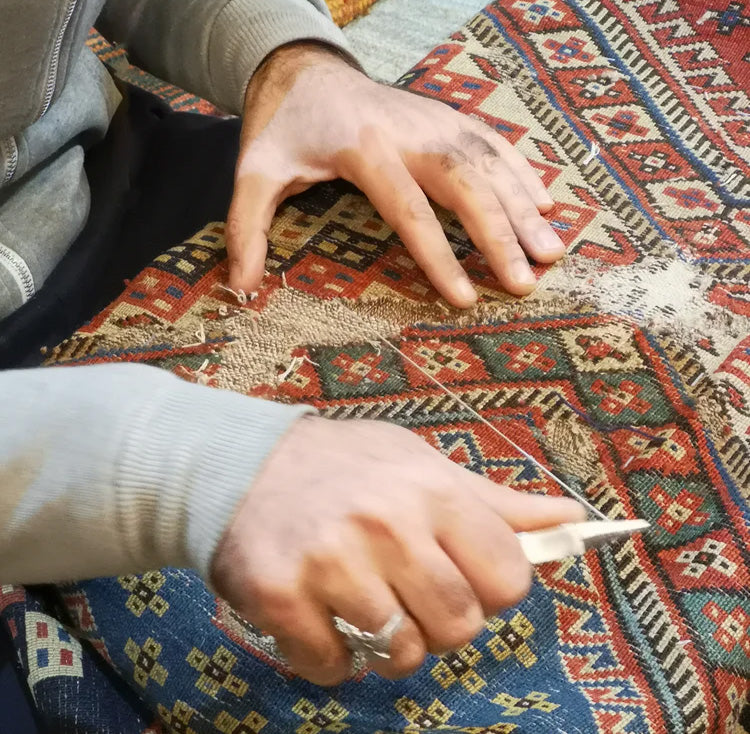
Originally from Tabriz in north-west Iran, Dustin is an expert weaver and rug restoration craftsman with decades of experience.
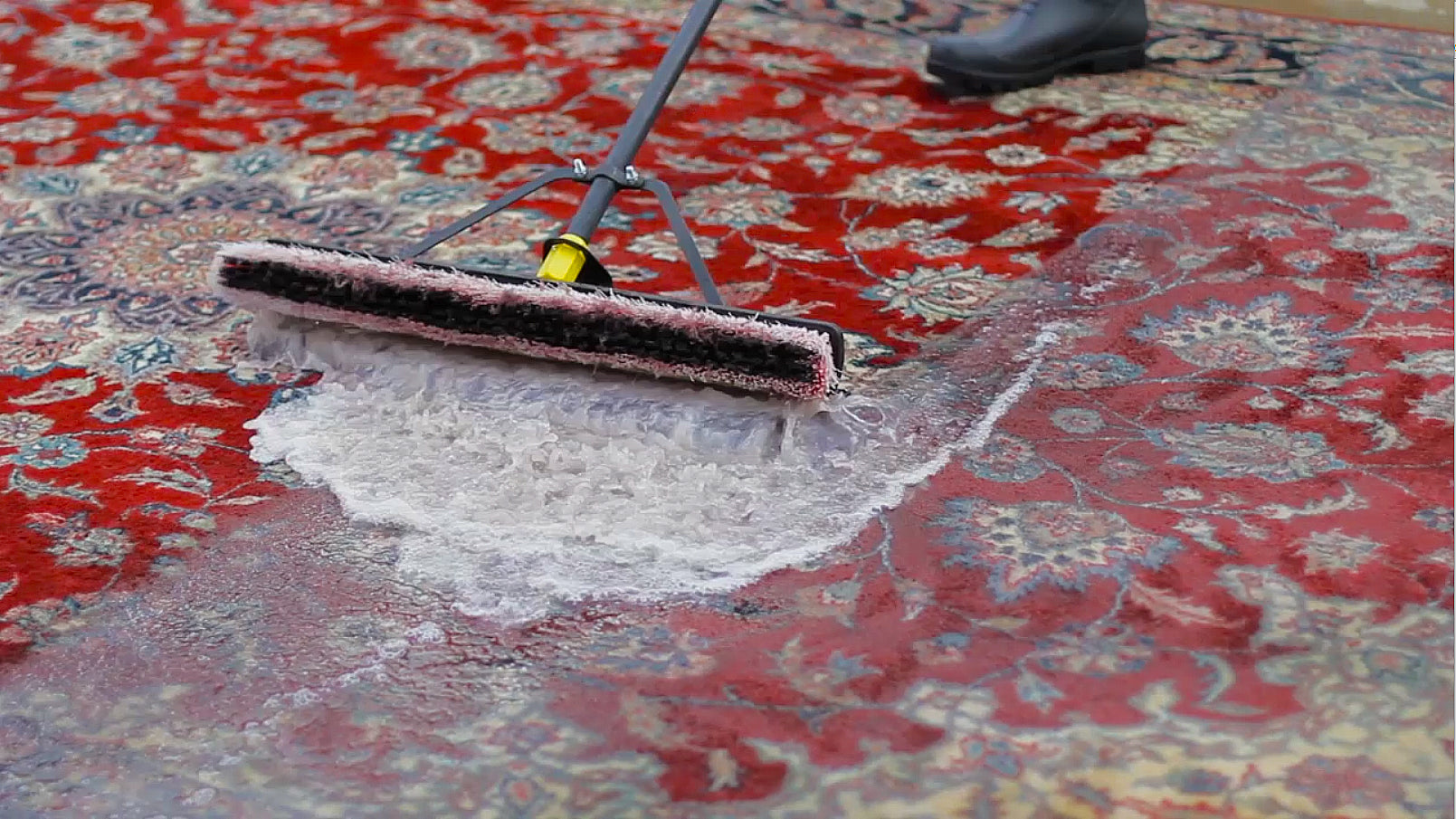
Specialising in the cleaning, repair and restoration of hand-knotted rugs and carpets, his traditional knowledge and practical expertise allow everything from everyday repairs to more complex restoration work to be carried out in-house.

Edward Reid
Eddie supports Little-Persia's customer service and day-to-day operations, helping ensure everything runs smoothly behind the scenes.
He has developed a real interest in handmade rugs, particularly tribal pieces, and enjoys learning more about their character, symbolism and regional traditions.
Threads of Our Success in The Media





The Little-Persia Rug Chronicles
View all-

Persian Garden Carpet: Mapping Paradise in Weave
Step onto a Persian garden carpet and read how woven chahar bagh plans, water motifs and botanical detail translate garden design into textile. This piece explains materials, layouts and practical...
Persian Garden Carpet: Mapping Paradise in Weave
Step onto a Persian garden carpet and read how woven chahar bagh plans, water motifs and botanical detail translate garden design into textile. This piece explains materials, layouts and practical...
-

The Boteh Motif: From Persia to Paisley
A classic Persian emblem, the Boteh traces a path from ancient cypress symbolism to Western Paisley. This article explores its origins, weaving techniques and practical styling and care advice for...
The Boteh Motif: From Persia to Paisley
A classic Persian emblem, the Boteh traces a path from ancient cypress symbolism to Western Paisley. This article explores its origins, weaving techniques and practical styling and care advice for...
-

Animal Motifs in Rugs: From Rams' Horns to Bird...
Rugs carry a visual language: rams' horns, birds and mythic beasts all transmit symbolic meaning. This guide decodes those motifs and shows how to recognise, interpret and place them within...
Animal Motifs in Rugs: From Rams' Horns to Bird...
Rugs carry a visual language: rams' horns, birds and mythic beasts all transmit symbolic meaning. This guide decodes those motifs and shows how to recognise, interpret and place them within...


